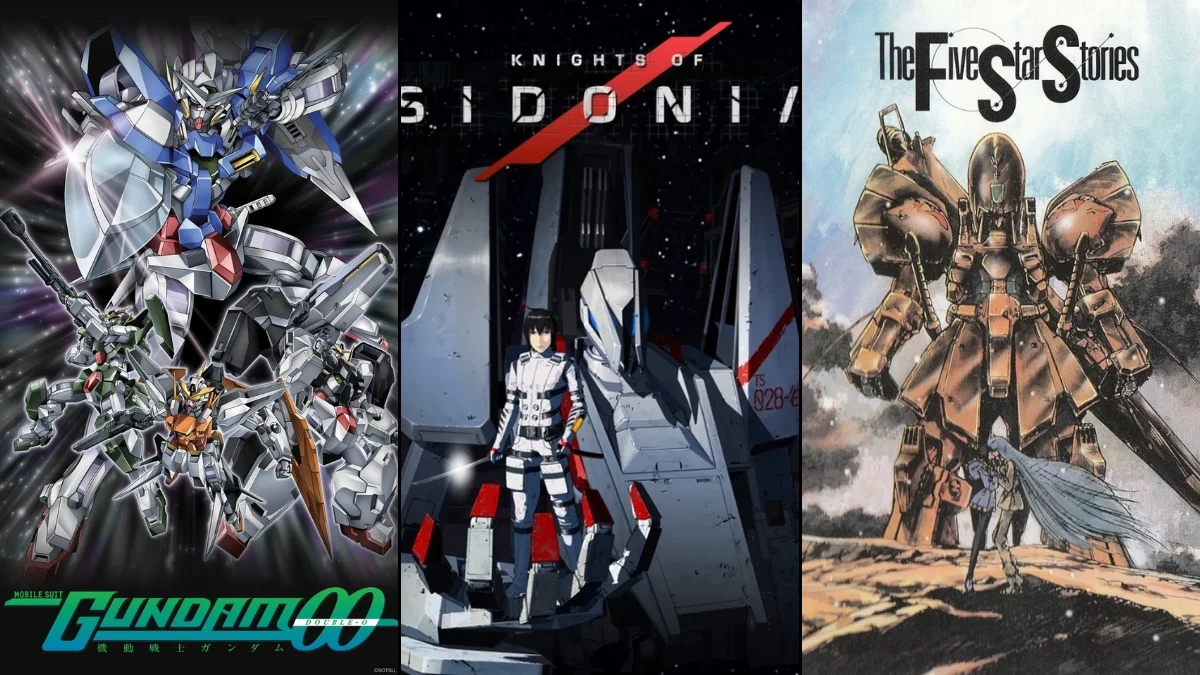
Mecha stories, featuring giant robots, often explore what it means to be human in a world increasingly shaped by technology. While often seen as tales of strength and power, the genre has a history of questioning traditional ideas about gender, with many stories featuring pilots of all kinds. Anime creators frequently use the act of piloting a robot as a way to represent how identities can change and evolve. From older classics to newer, more complex stories, these shows often feature characters who break free from typical expectations about bodies and society. The following series highlight characters who are officially identified as trans, intersex, or gender-fluid, demonstrating that anyone can be a hero.
‘Knights of Sidonia’ (2014–2015)
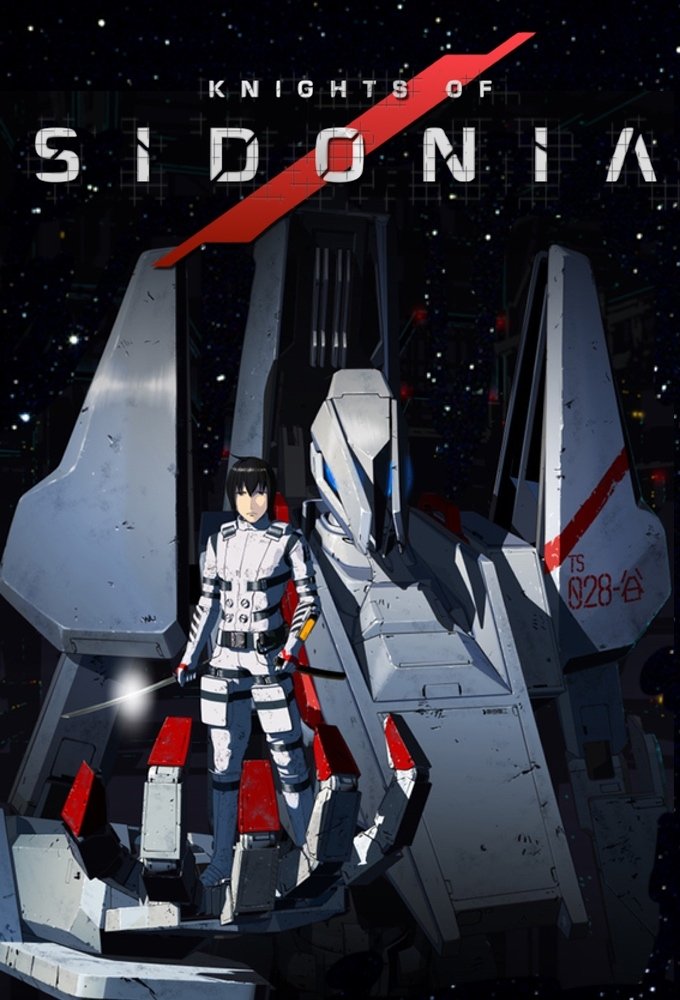
This science fiction series imagines a future where humanity has left Earth and lives on giant spaceships called seed ships. To ensure the survival of the population, genetic engineering has created a third gender. Izana Shinatose is born as one of these individuals, existing outside of traditional male or female roles, and becomes a talented pilot. Izana has the unique ability to biologically become either male or female depending on their romantic partner, a process that happens naturally as the story unfolds. When Izana falls in love with the main character, Nagate, they begin a transformation into a woman while continuing to fight off alien threats. This offers a fresh, biologically-based look at gender fluidity within an action-packed military sci-fi world.
‘Mobile Suit Gundam 00’ (2007–2009)
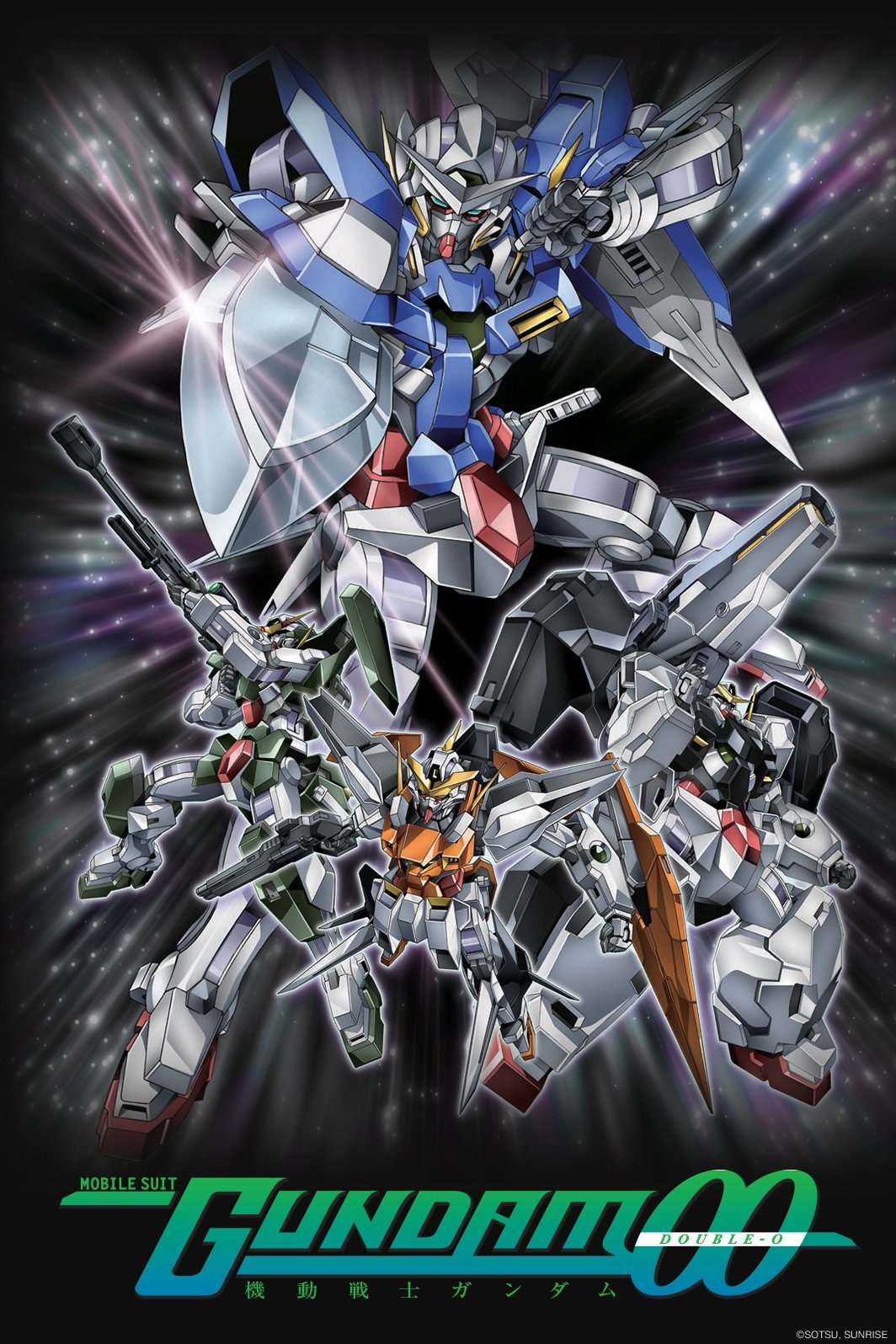
Tieria Erde is a Gundam pilot working with the organization Celestial Being, specializing in powerful mobile suits like the Gundam Virtue. He’s unique because he’s an Innovade – a person artificially created by a supercomputer named Veda to be neither male nor female. Though he usually appears and acts like a man, Tieria can convincingly present as a woman when needed for undercover work. The story delves into his journey of self-discovery as an artificial human and his growing understanding of what it means to be human, moving beyond traditional ideas about gender. His bond with the gender-neutral mobile suit, Nadleeh, emphasizes themes of flexibility and concealed identities.
‘Simoun’ (2006)
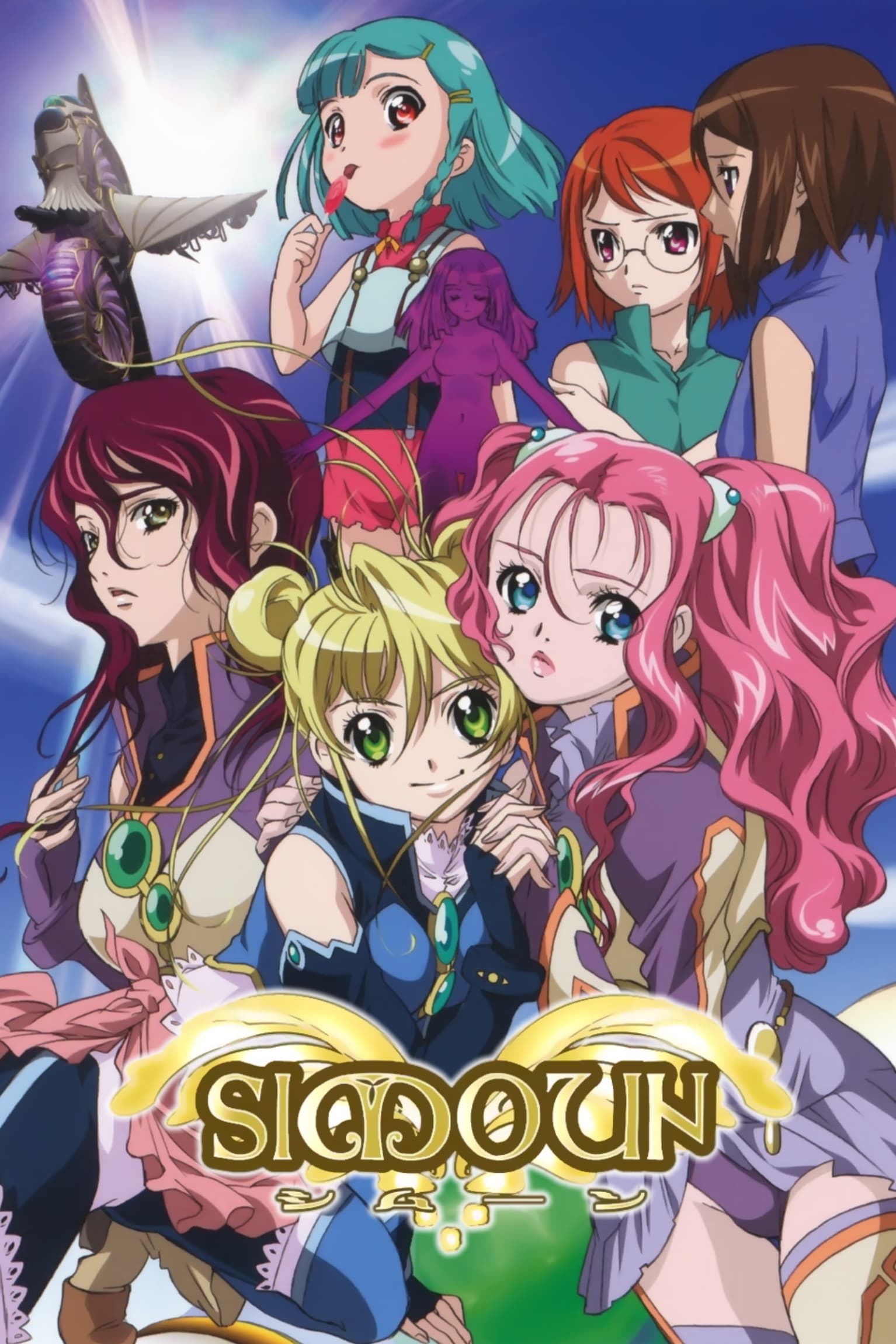
The story takes place in Simulacrum, a nation where everyone is born female and later chooses their permanent gender. This country is protected by ancient flying machines called Simoun, which are piloted exclusively by young, gender-fluid priestesses known as Sibyllae. The main character, Aaeru, becomes a pilot and deliberately avoids choosing a permanent gender, wanting to stay in a state of flux so she can continue flying. Through the action of aerial combat and the mechanics of the flying machines, the story explores themes of gender identity, societal expectations, and the challenges of growing up. The pilots’ ability to fly is directly linked to their non-binary status, making gender a key element of the plot.
‘Maze Megaburst Space’ (1997)

The series follows Maze, who finds themself in a fantastical world with no memories, but with the power to control a massive robot called Dulgar. What makes Maze unique is their ability to transform: during the day, they’re female, and at night, they’re male. Each form has a different personality and set of skills – the female form is a strong summoner, while the male form is a skilled fighter and pilot. The story focuses on these two sides of Maze learning to work together and understand who they are as they fight against a group called the Jaina Holy Group. This constant shift between genders is central to the show and shapes how the characters interact.
‘The Five Star Stories’ (1989)
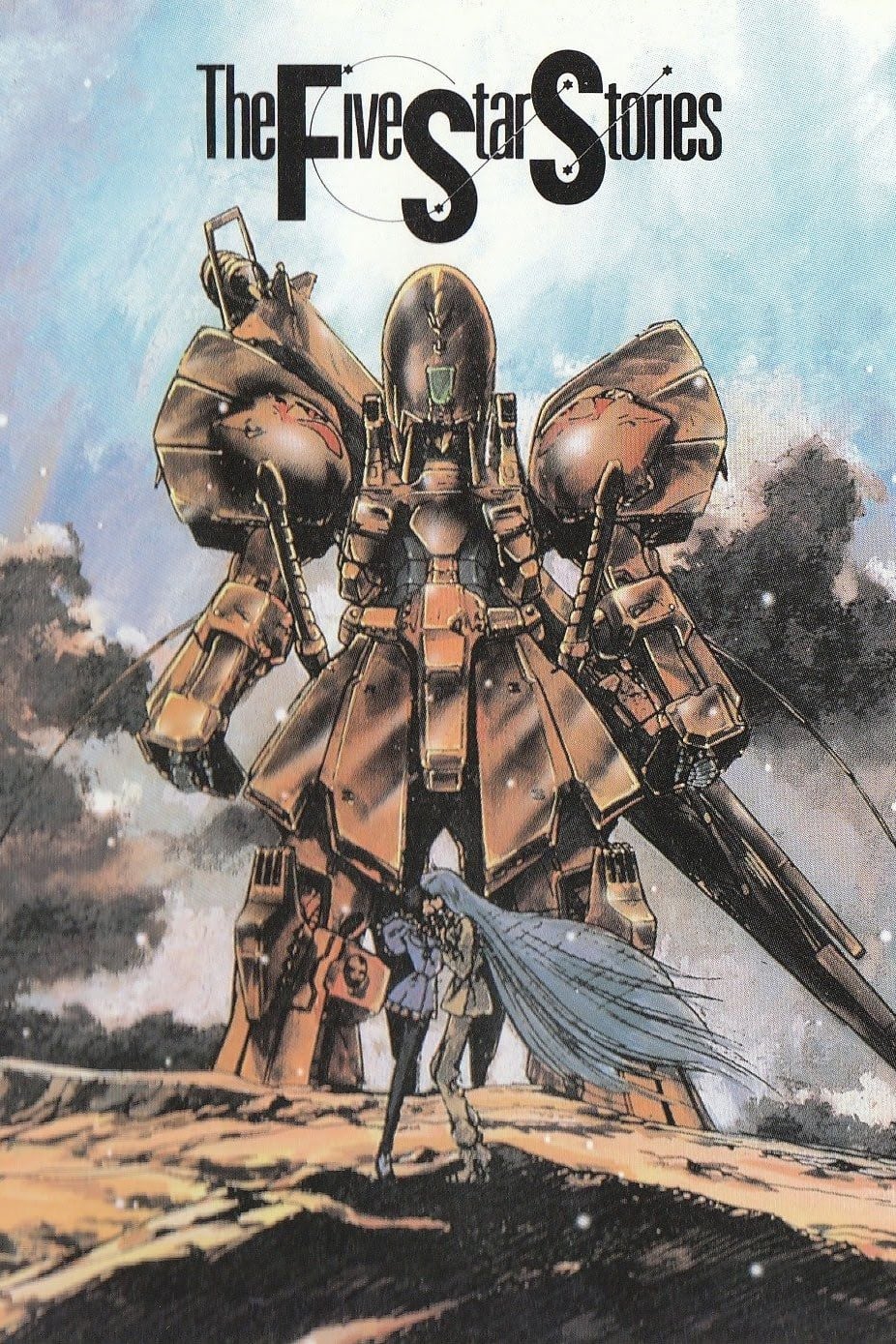
This movie is based on a long-running manga and features Amaterasu, a powerful, god-like character who rules the Delta Belun system. Amaterasu is immortal and can change his appearance however he wants, even changing gender. He pilots the Knight of Gold, a beautifully designed and incredibly advanced robot. Throughout the story, Amaterasu takes on many forms, including female ones, highlighting his ever-changing nature. The series is famous for its intricate mythology, where the lines between male and female are often blurred, especially among the most powerful beings – both genetically engineered people and artificial life forms called Fatimas.
‘Genesis Climber MOSPEADA’ (1983–1984)

Yellow Belmont is a brave fighter who defends Earth from an alien invasion using a transforming fighter jet called the Legioss. Interestingly, Yellow leads a double life: while he’s a soldier, he also performs as a popular female singer. He’s so convincing in this role that it becomes a genuine part of who he is, and he finds joy and strength in his female persona, using it to uplift those around him. Yellow is notable as one of the first anime characters to explore gender identity in a respectful and dignified way for its time. Ultimately, he concludes his journey by giving a concert as his female self, then revealing his true identity to his fans.
‘Cowboy Bebop’ (1998–1999)
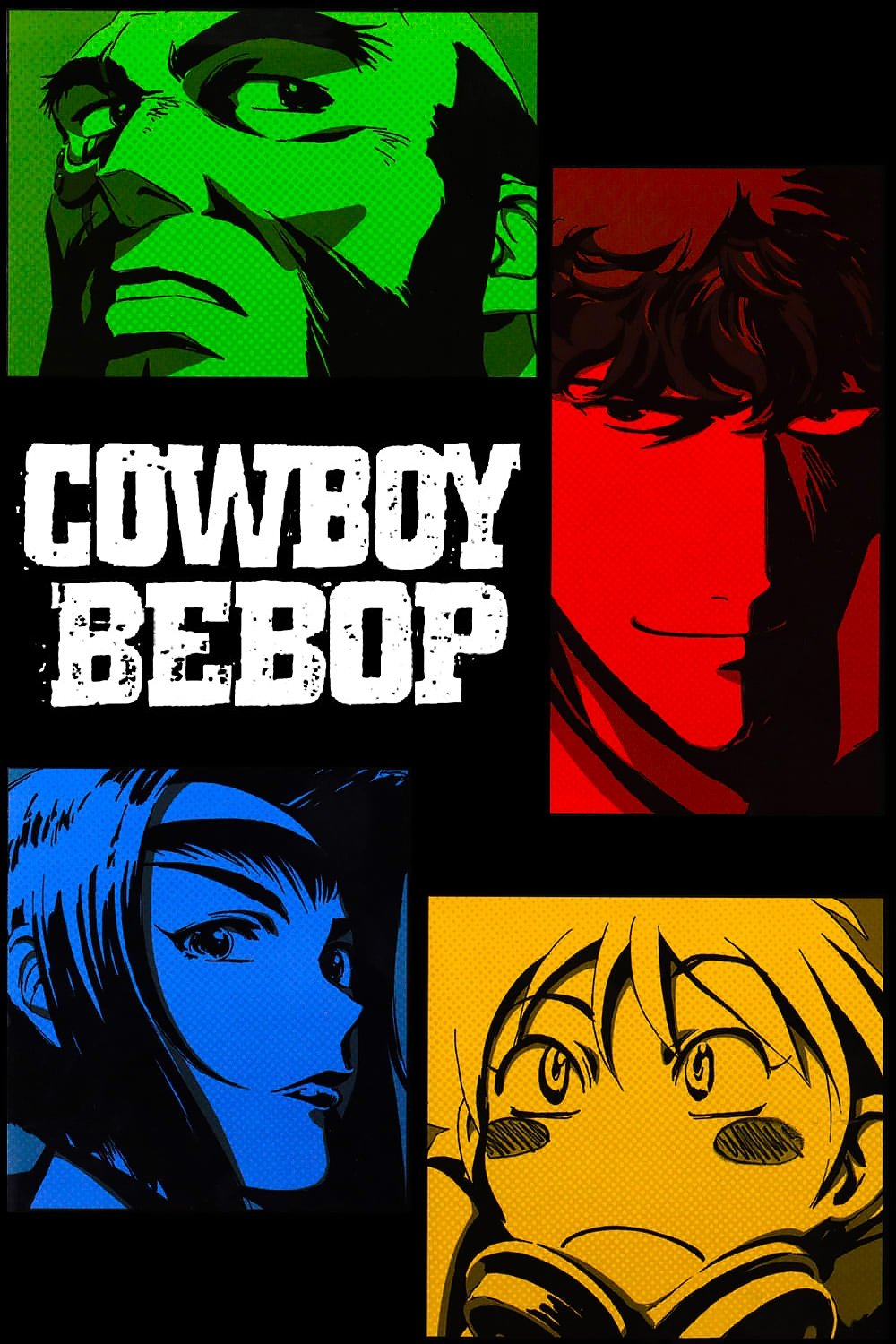
The Cowboy Bebop episodes “Jupiter Jazz Part 1” and “Part 2” introduce Grencia Mars Elijah Guo Eckener, a former soldier from the Titan War. Gren flies a unique spacecraft and shares a past with the villain Vicious. During the war, he was subjected to experimental drugs that caused a hormonal imbalance, leading to a body with both male and female characteristics. Gren doesn’t identify strictly as either gender, describing themself as “both and neither,” and lives a lonely life on Callisto. Their story is a heartbreaking look at how war can forcibly change a person’s body and sense of self.
‘Gatchaman Crowds’ (2013–2015)

I’m really fascinated by Rui Ninomiya. He’s an incredibly bright person who becomes the Gatchaman known as ‘Load,’ dedicated to protecting everyone. What’s so unique about him is that, while biologically male, he expresses himself through stunning feminine fashion, and identifies as something beyond traditional gender roles – both in person and online. He feels like the world has become stagnant and wants to revitalize it using the power of the Crowds and this app called GALAX. It’s amazing to see him actively reject old-fashioned ideas about gender, using his style to push boundaries even while piloting his incredible digital suit. His story really highlights the importance of expressing yourself and what it means to be a hero in today’s world.
‘Gundam Build Divers’ (2018)

Magee is an experienced player in the virtual reality game Gunpla Battle Nexus Online (GBN), piloting the Gundam Love Phantom. While Magee is a man in real life, he uses a female avatar in the game and prefers to be called “big sister.” He acts as a mentor to the main characters and is a key member of the “Adam’s Apple” group, which is made up of players who express themselves outside of traditional gender norms. The series portrays Magee’s chosen expression with respect, recognizing it as an important and positive part of who he is online. Magee embodies the liberating potential of the metaverse, where players can create an identity that truly reflects who they are inside.
‘Tiger & Bunny’ (2011)
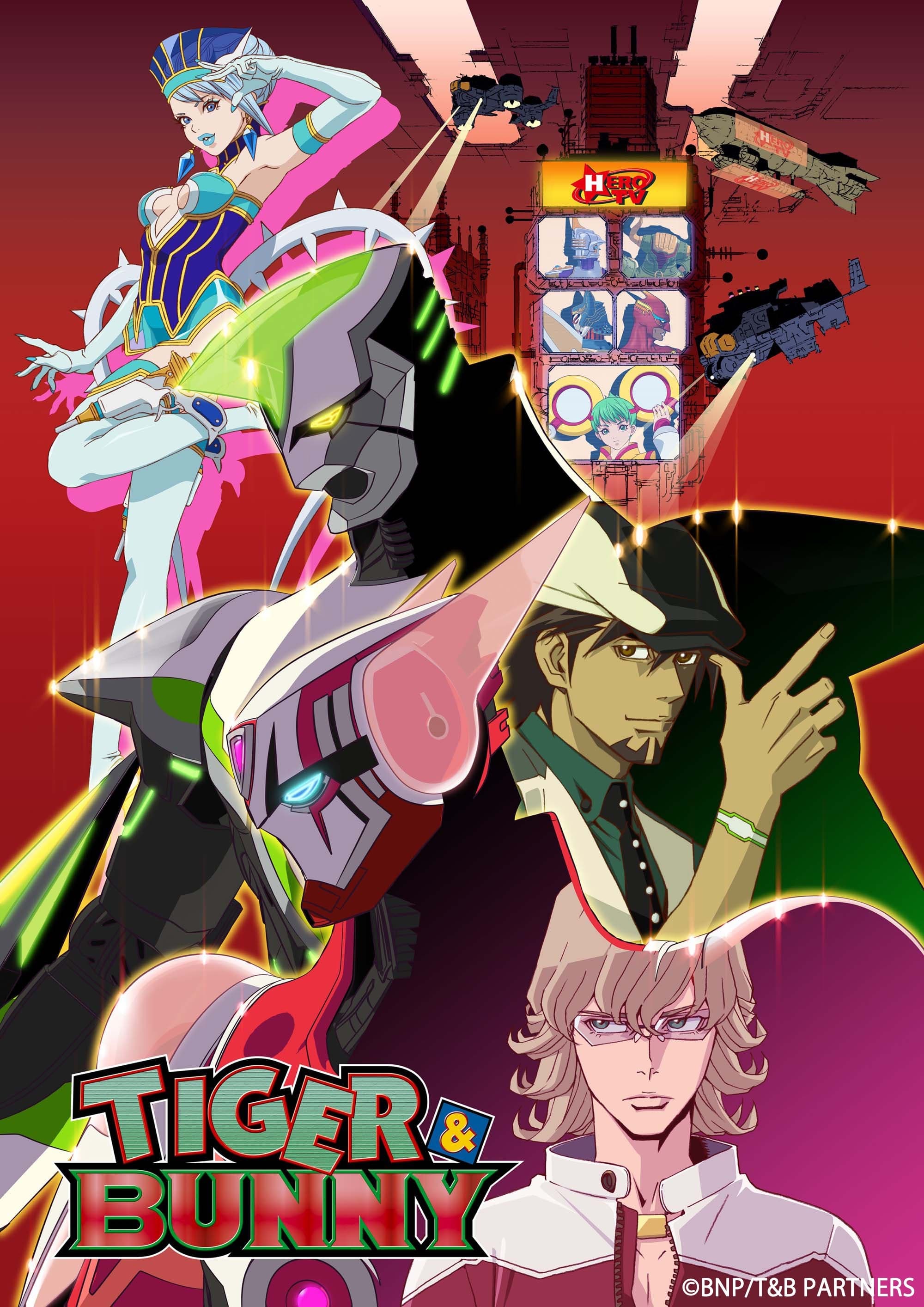
Nathan Seymour, who goes by the hero name Fire Emblem, is a crime fighter who wears a technologically advanced suit of armor – and his battles are all filmed for a reality TV show. Nathan is openly gay and genderqueer, and he expresses himself through feminine mannerisms, often playfully calling himself “one of the girls.” Even though he faces discrimination from both the public and his sponsors, Nathan stays true to himself while proving to be a highly skilled fighter. The show explores his past, showing the bullying he endured because of how he expressed his gender and how he ultimately became a successful hero. Fire Emblem represents a strong example of queer strength and perseverance in the world of heroes who fight in armored suits.
‘Aquarion Evol’ (2012)
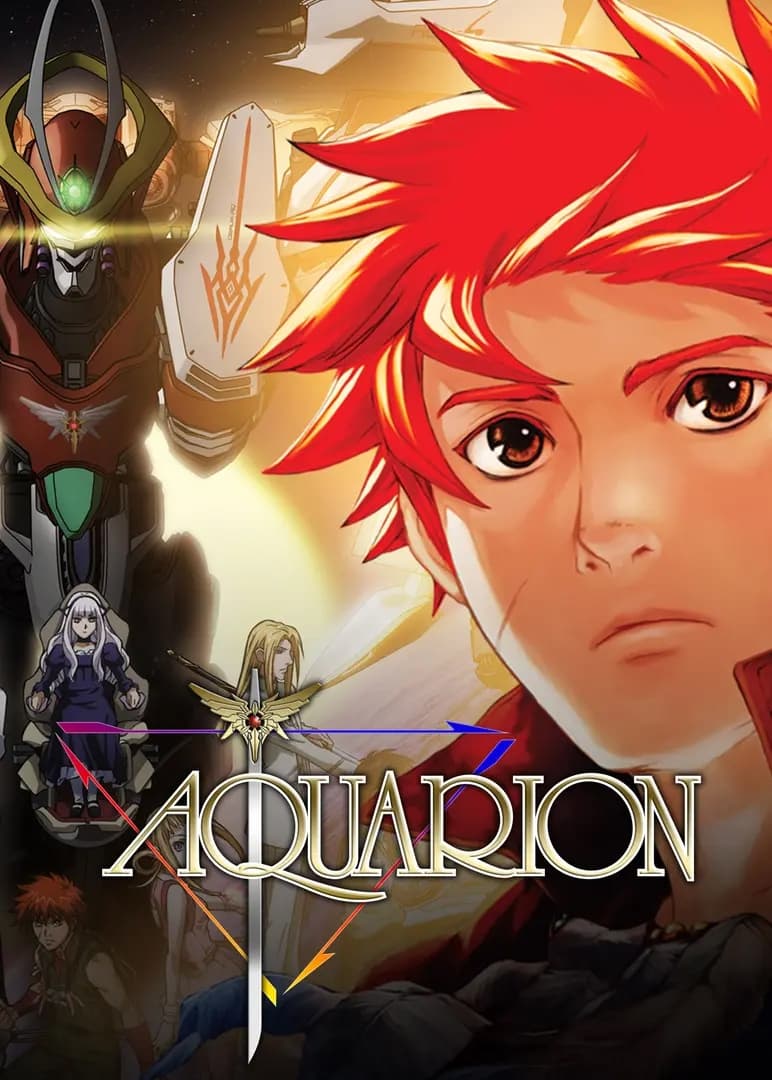
Mix is a pilot for the Neo-DEAVA organization, flying one of the vehicles that combine to form the giant robot Aquarion. She begins the story as a woman who dislikes men, but a strange event and the actions of the villain cause her body to change into a male form. This unexpected and unwanted transformation deeply upsets Mix, and her story follows her as she adjusts to life as a man, known as “XY” in the show’s credits. Though initially a painful experience, Mix’s journey ultimately examines the strict ideas about gender that exist in her world. The way the robots combine in the series often symbolizes the connection between different genders.
‘Mazinger Z’ (1972–1974)
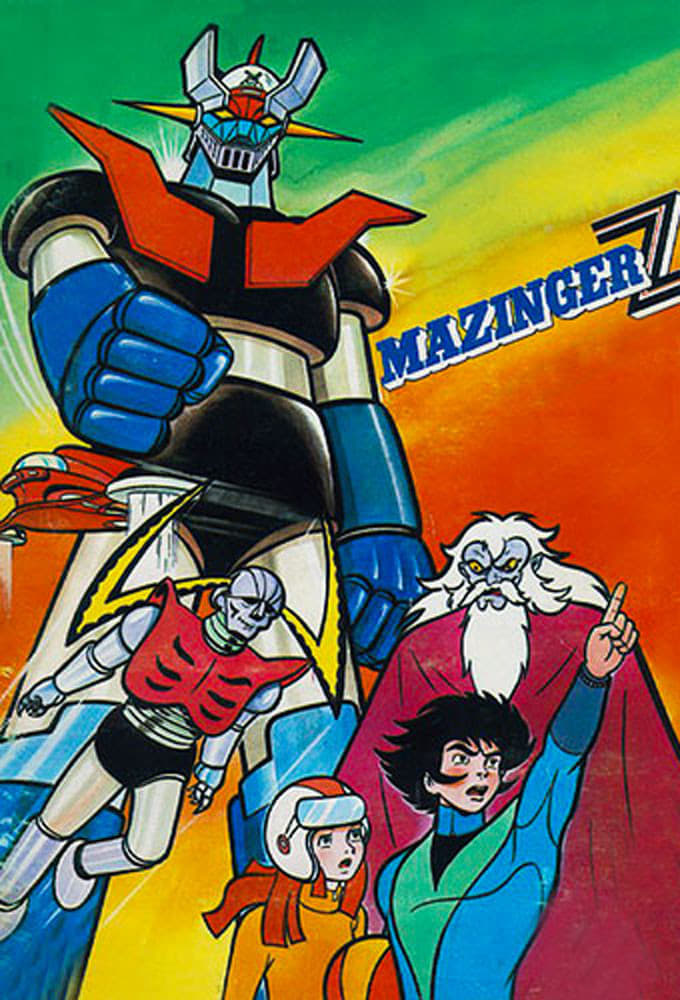
Baron Ashura is a major villain in the Mazinger Z series, leading the forces of the Mechanical Beasts. Created by Dr. Hell, Ashura is unique – they were constructed from the left side of a man and the right side of a woman. Surprisingly, both sides maintain their own voices and personalities, leading to frequent arguments, even though they function as one being while piloting powerful fortresses and mecha. Ashura is considered a pioneering non-binary character in the mecha genre, literally embodying a fusion of genders. While their origin is tragic and their appearance monstrous, Ashura remains a memorable and distinct pilot in the world of super robots.
‘Ixion Saga: Dimension Transfer’ (2012–2013)
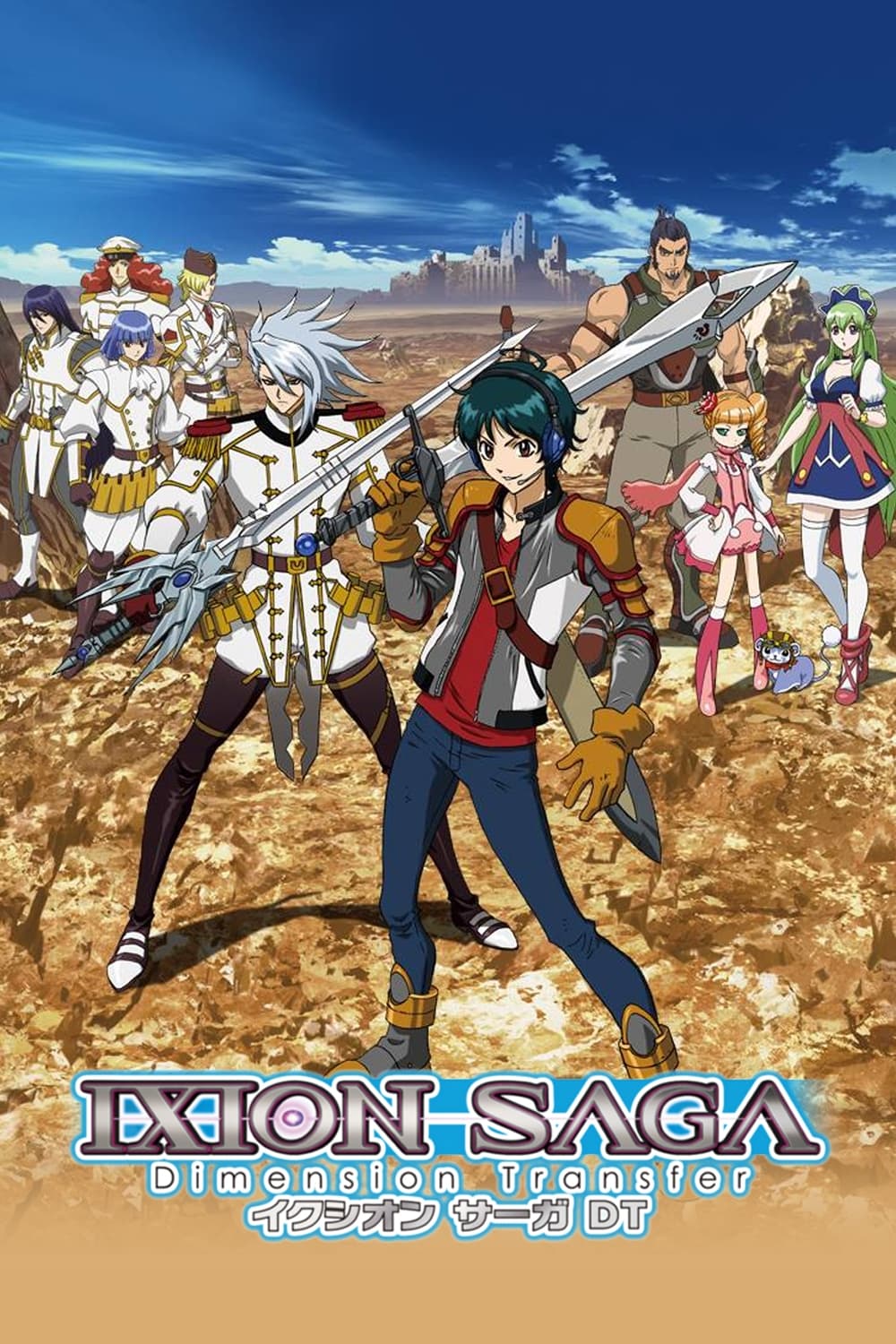
Mariandale is a skilled bodyguard and maid to Princess Ecarlate, proficient with both heavy weapons and special combat gear called “Alma Gear.” She’s a confident transgender woman who is open about her identity, though her deep voice initially surprises the main character, Kon. Mariandale is a reliable and mature member of the group, often keeping the more impulsive characters in check. The story handles her transition and identity as a natural part of who she is, avoiding it being used for jokes. She’s a powerful fighter, taking on enemies directly with her strength and dual pistols.
‘Turn A Gundam’ (1999–2000)
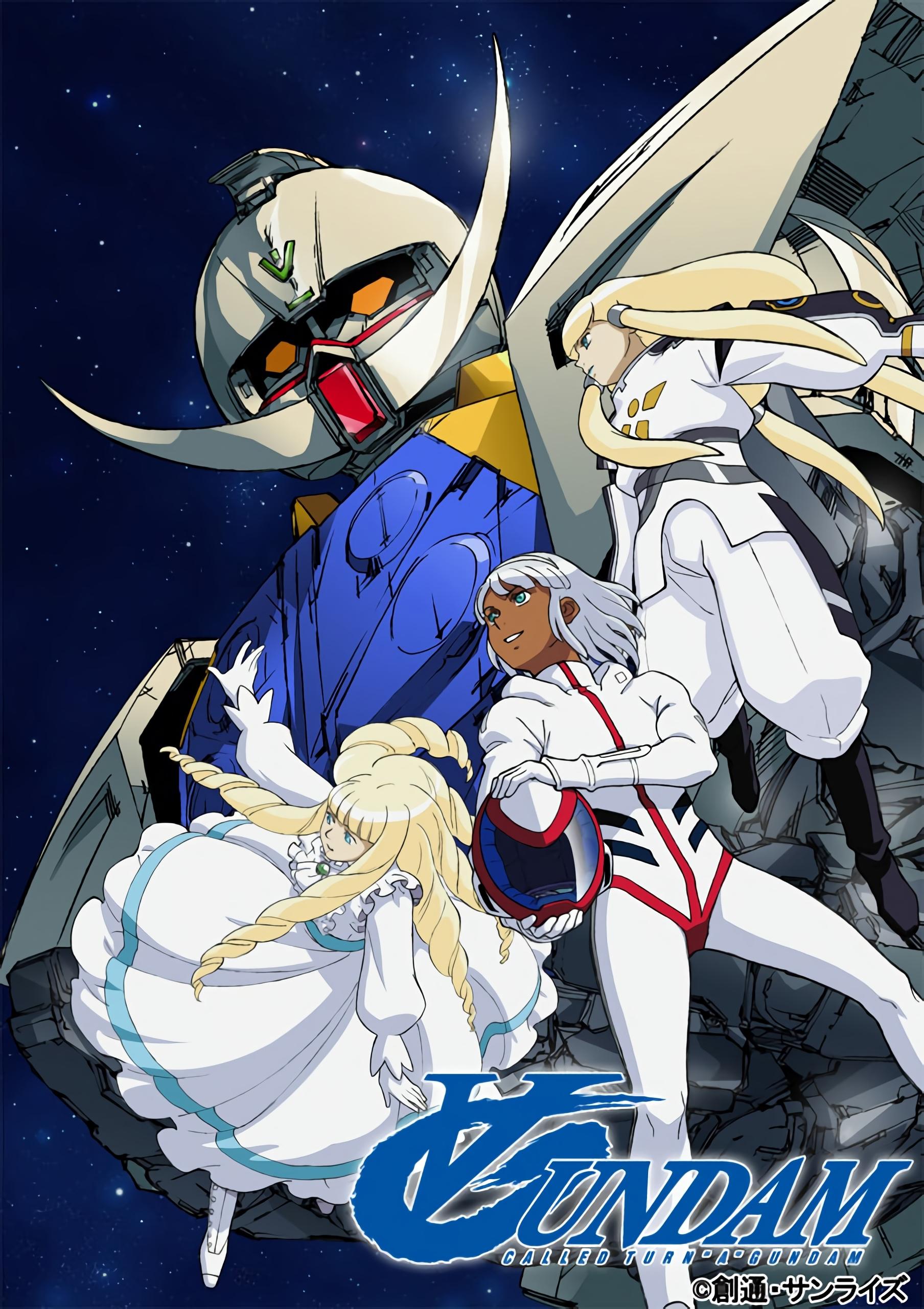
Loran Cehack, the pilot of the Turn A Gundam, spends much of the series disguised as a woman named “Laura Rolla.” What starts as a political strategy evolves into something more, as “Laura” becomes a popular and powerful figure representing the Moonrace – people even begin calling the Gundam “Laura’s machine.” Loran handles this dual identity with dignity, portraying femininity respectfully, and essentially lives publicly as a woman while piloting an incredibly powerful machine. The line between Loran and Laura becomes increasingly blurred, creating a pilot persona that goes beyond typical gender roles, which reflects the series’ overall message of overcoming divisions between Earth and the Moon.
‘Darling in the FranXX’ (2018)
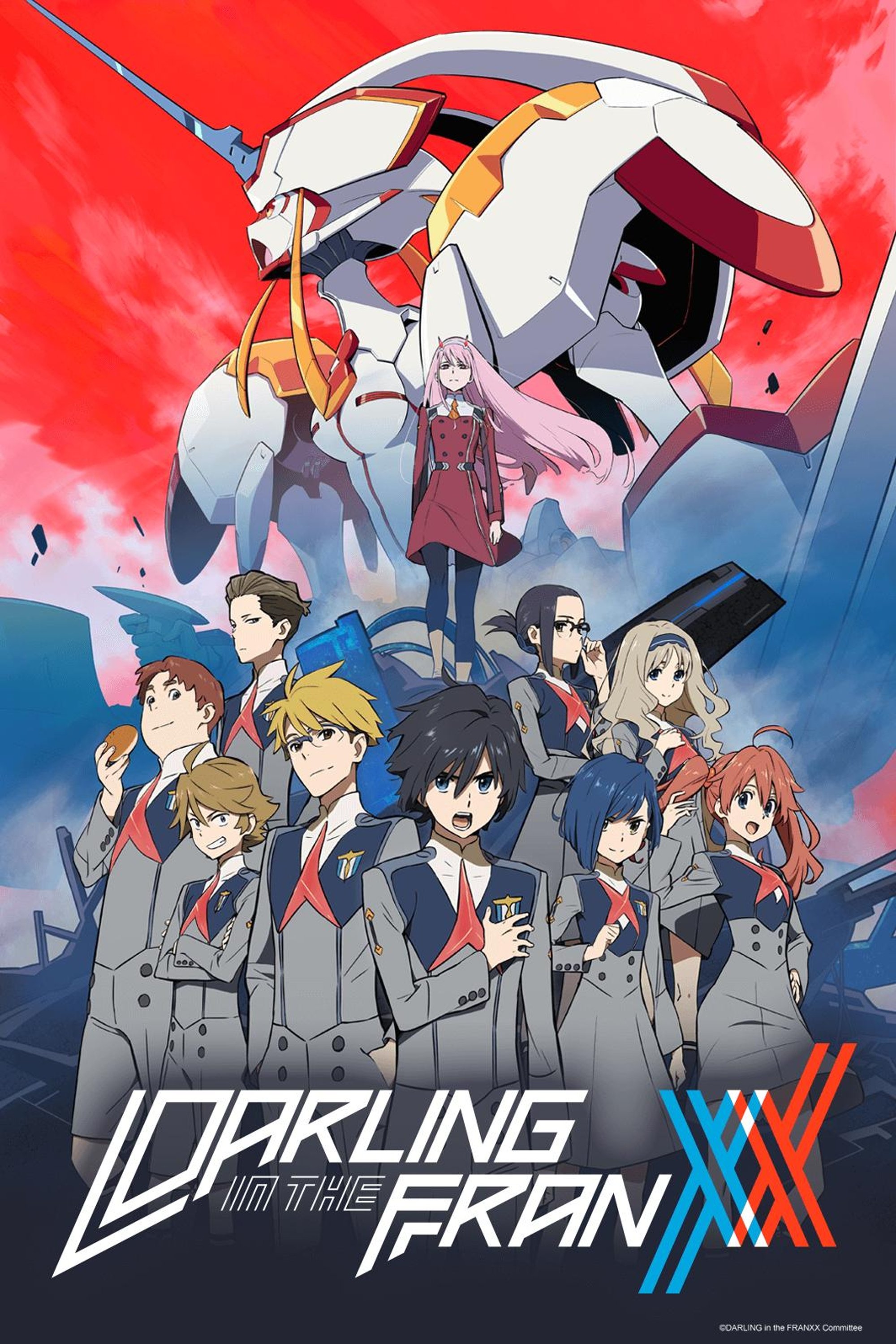
9 Alpha leads the Nines, a highly skilled special forces team of Parasites. Unlike most pilots, they can operate FranXX units without needing a male-female partner. The Nines are all clones with appearances that aren’t traditionally masculine or feminine, and they express their gender in a flexible way. They can switch between the roles of ‘pistil’ (typically female) and ‘stamen’ (typically male) while piloting, essentially functioning as gender-neutral. This challenges the show’s strong emphasis on traditional male-female pairings for piloting. 9 Alpha’s design and position in the story emphasize that the strict gender roles enforced by the APE organization are artificial.
Share your favorite mecha pilots who break the mold in the comments.
Read More
- Top 20 Dinosaur Movies, Ranked
- 20 Movies Where the Black Villain Was Secretly the Most Popular Character
- 25 “Woke” Films That Used Black Trauma to Humanize White Leads
- Celebs Who Narrowly Escaped The 9/11 Attacks
- Gold Rate Forecast
- Spotting the Loops in Autonomous Systems
- 22 Films Where the White Protagonist Is Canonically the Sidekick to a Black Lead
- The 10 Most Underrated Jim Carrey Movies, Ranked (From Least to Most Underrated)
- Silver Rate Forecast
- From Bids to Best Policies: Smarter Auto-Bidding with Generative AI
2026-01-02 07:16