
When you lose in a video game, you usually just get a simple “game over” screen and a chance to try again. But some game creators do something different – they actively tease or make fun of the player. This can be done with funny songs or even have the villains directly insult the player’s skills. These moments stick with you and make losing feel even worse. Here are some games known for playfully mocking players when they fail.
‘Duck Hunt’ (1984)
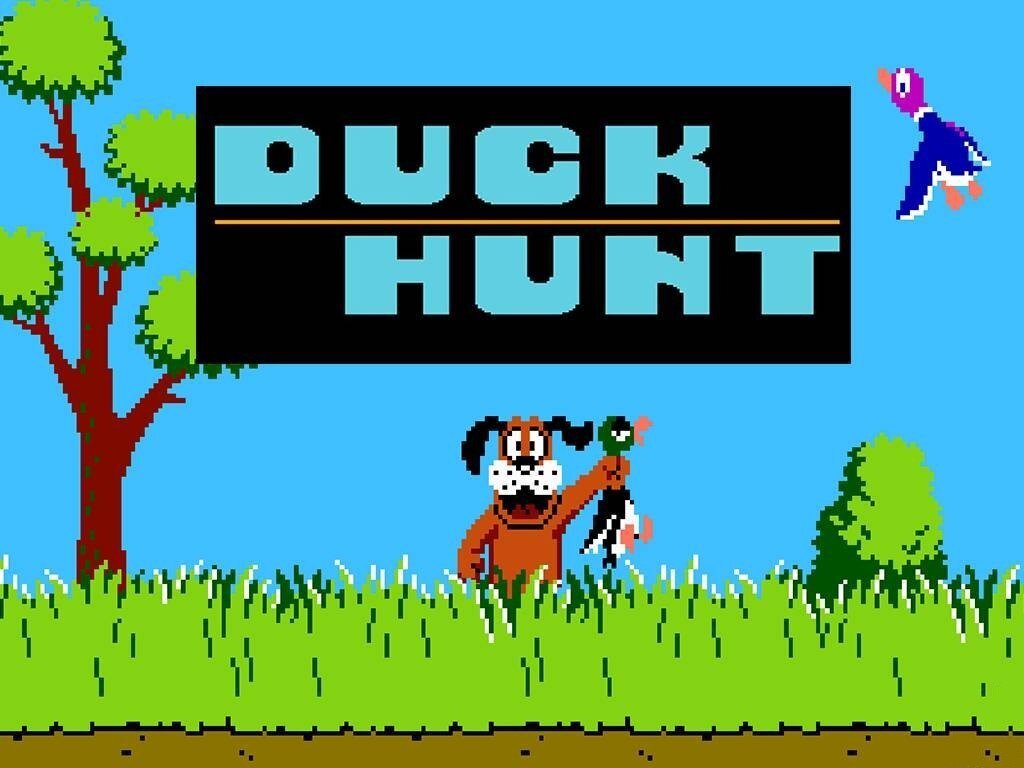
This classic light gun game stars a famously sarcastic character. A hunting dog in the game helps by fetching ducks you shoot down, but he has a funny reaction when you miss. He pops out of the grass and bursts into laughter, which has annoyed—and amused—players for years. It’s a well-known example of a game playfully making fun of the player.
‘Total Distortion’ (1995)
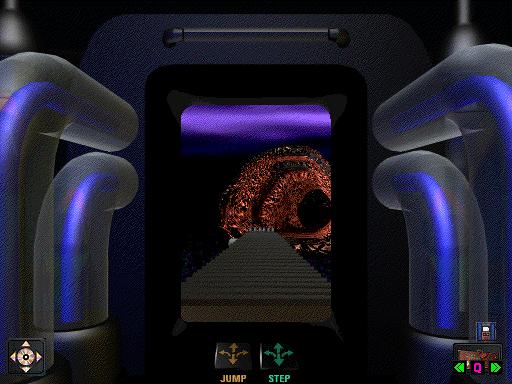
This adventure game has a memorable take on losing: instead of a typical ‘game over’ screen, it launches into a fun, upbeat rock song. The song cheerfully announces the player’s defeat, with lyrics that playfully poke fun at the situation. This unexpected musical number has become a fan favorite, turning a frustrating moment into an entertaining experience.
‘Zelda II: The Adventure of Link’ (1987)
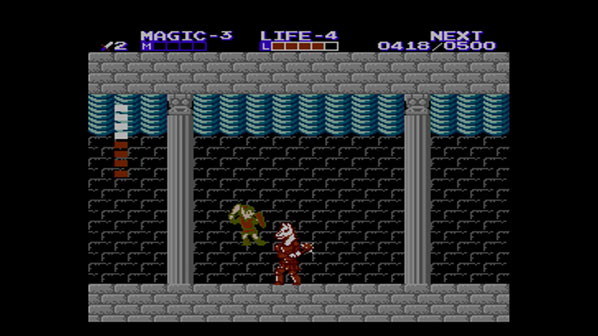
This new Nintendo game is much darker and more difficult than its predecessor, and even losing feels impactful. When Link is defeated, the screen goes black, and you see only the outline of Ganon. He then lets out a chilling, pixelated laugh, emphasizing that Hyrule has succumbed to darkness because of your failure.
‘Batman: Arkham Asylum’ (2009)
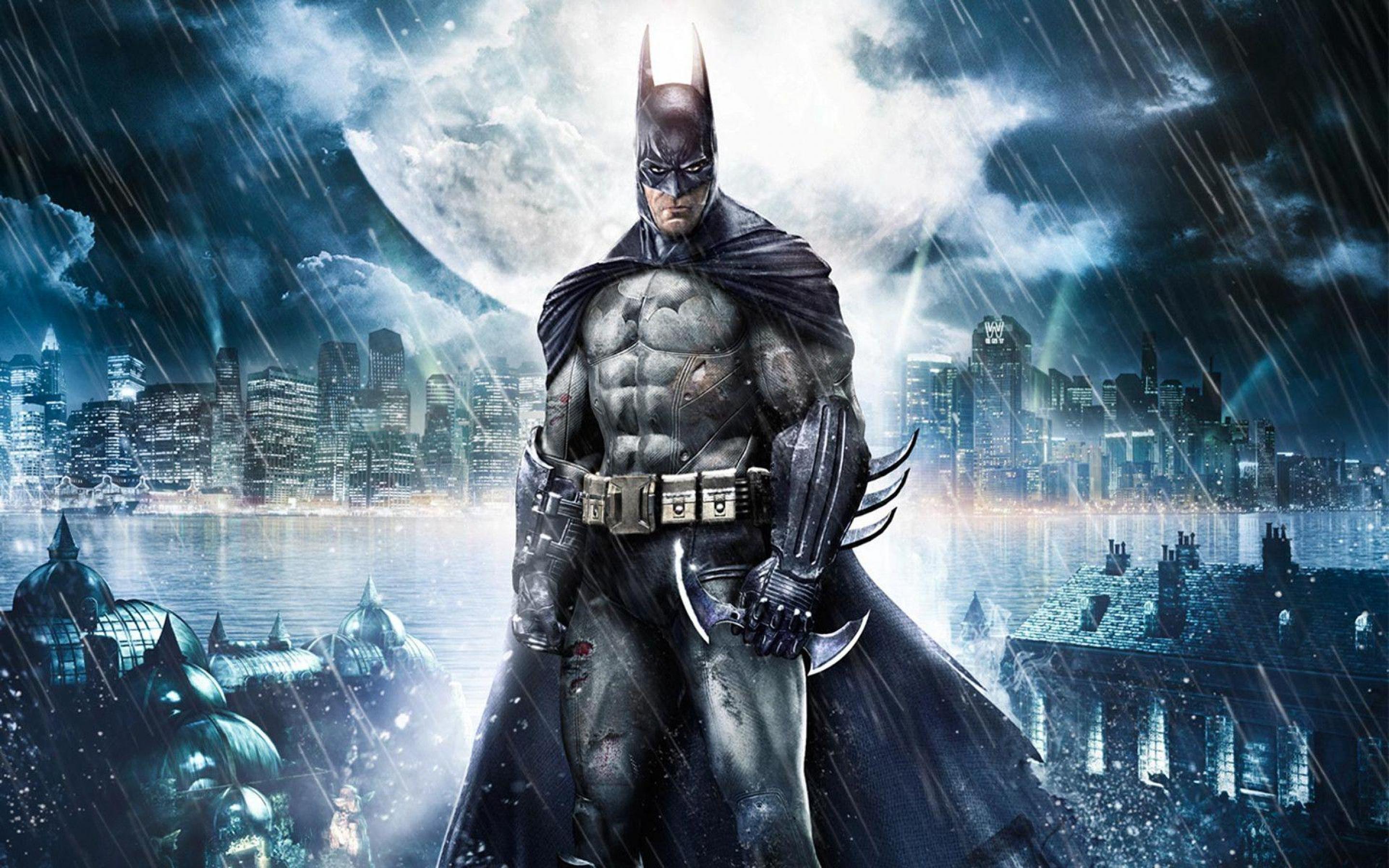
When you lose in this superhero game, you’ll see a cutscene of the villain who defeated you. Villains like the Joker or Poison Ivy will even break the fourth wall, looking right at the screen to mock the hero. These scenes aren’t the same each time – they change based on how you lost and include personalized jabs at Batman’s failure to protect Gotham. The game’s creators used these moments to really showcase the villains’ personalities and add extra frustration to losing.
‘Spider-Man 2’ (2004)
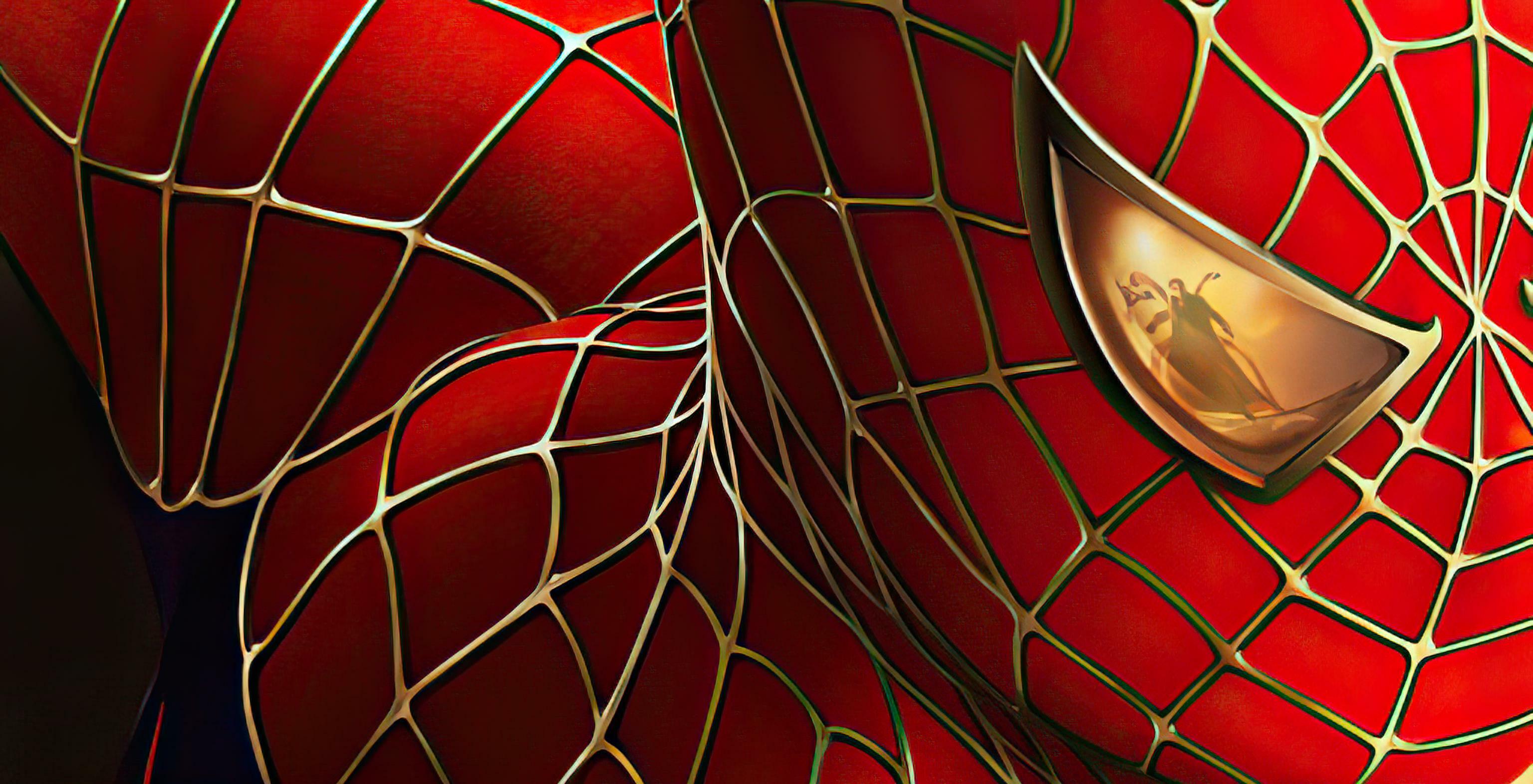
The video game based on the movie stars Bruce Campbell as a humorous narrator who guides players through the tutorial and story. He playfully mocks the player with sarcastic advice and comments, especially when they lose health, often joking about their skills or suggesting they might be better suited for a different pastime. This self-aware humor adds a lighthearted touch, even when players have to retry sections of the game.
‘Banjo-Kazooie’ (1998)
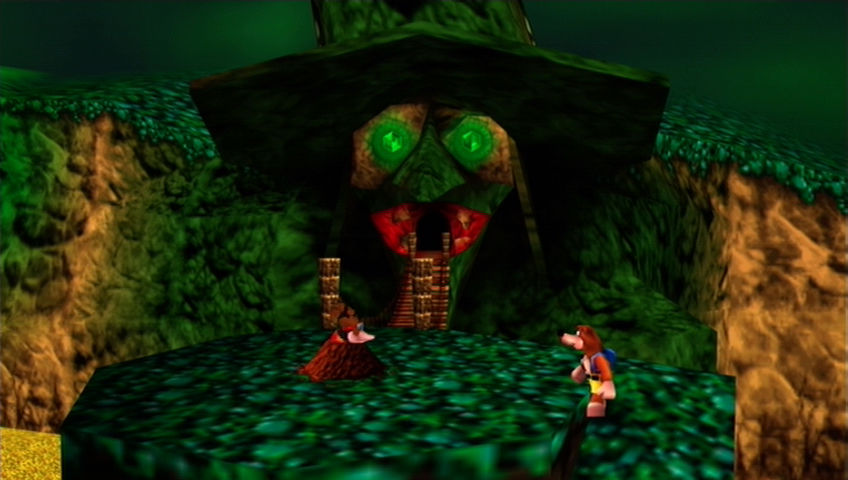
If you fail to save the hero’s sister, a cutscene shows the villain, Gruntilda, stealing her beauty. Gruntilda magically transforms from a hideous witch into a beautiful woman, while the sister is turned into a monster. Gruntilda then celebrates her win and your failure. This scene makes losing feel much more impactful by visually demonstrating the lasting consequences of being defeated.
‘Sega Rally Championship’ (1994)
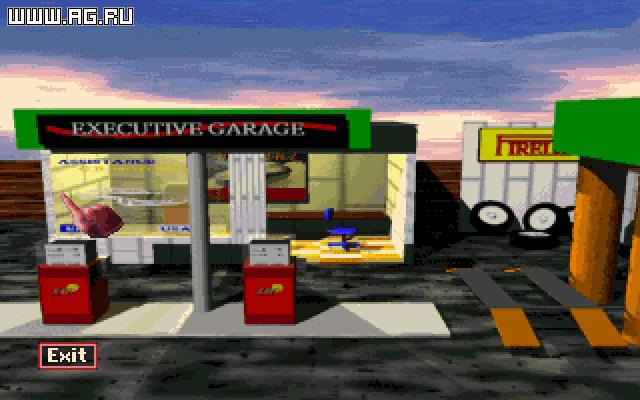
Most racing games sound serious or simply state the game is over when you run out of time. But this classic arcade game does something different – the announcer yells “Game Over” with surprisingly cheerful energy. It sounds like a celebration instead of a message that you’ve failed, which many players find unexpected, especially after the pressure of trying to finish a lap.
‘Quantum Conundrum’ (2012)
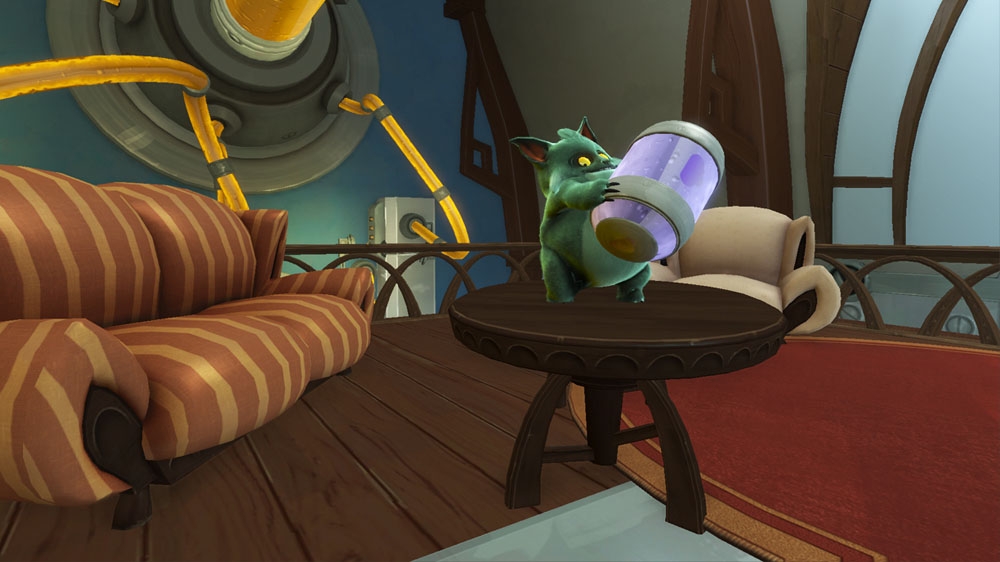
Professor Quadwrangle narrates this puzzle platformer and always has something to say when the main character dies. He doesn’t offer genuine sympathy, instead making sarcastic comments about how silly the death was or how it bothers him. He clearly cares more about his research than his nephew’s well-being. This makes every failure a chance for the quirky scientist to deliver a clever, cutting remark.
‘South Park: The Stick of Truth’ (2014)
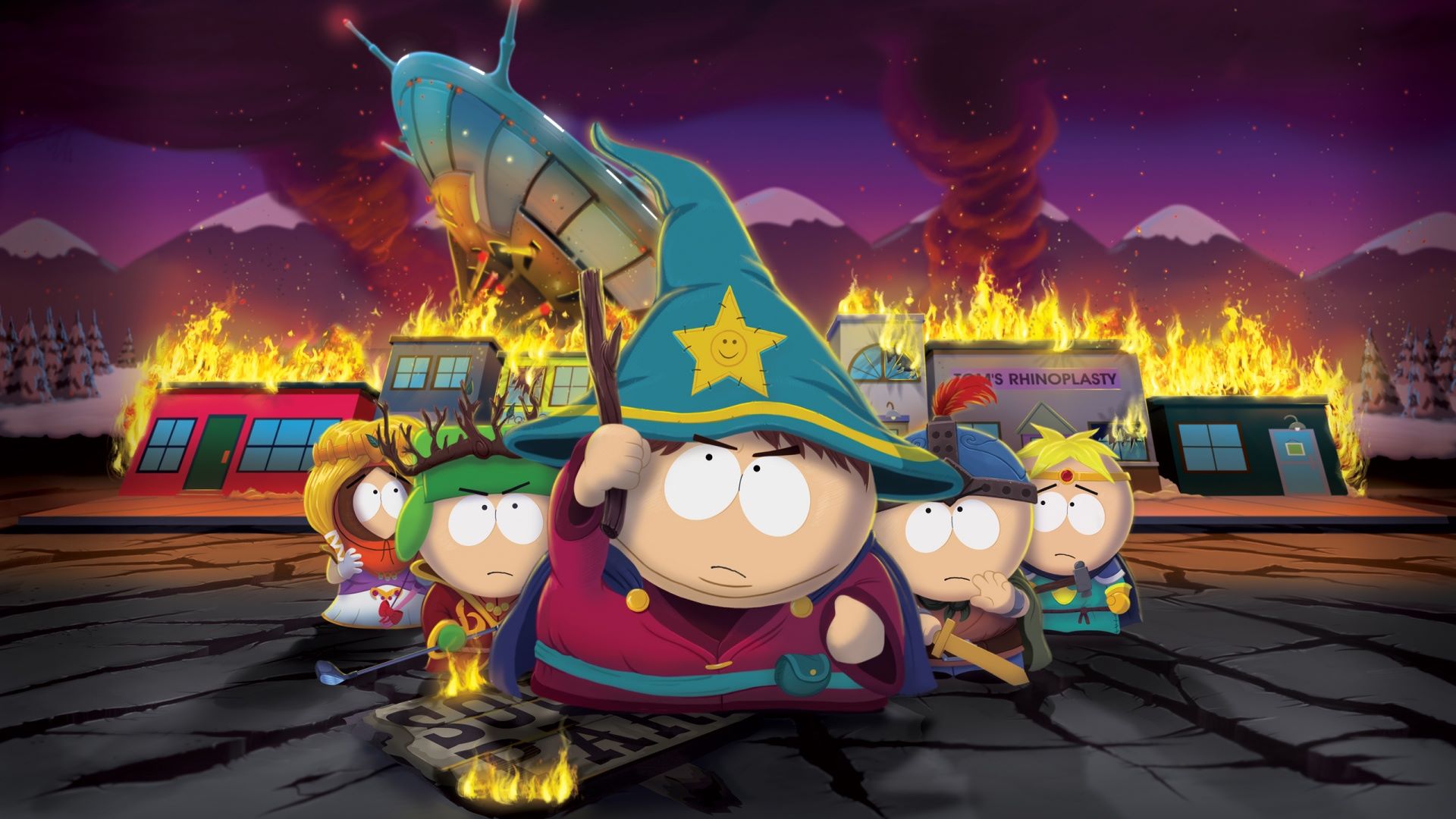
The game over screens were designed to match the show’s sharp wit and humor. They feature a realistic image of a character or creature paired with a harsh message telling the player they’ve failed. This sudden change in tone playfully makes fun of the player for struggling with easy challenges or losing fights. This direct approach is consistent with the franchise’s satirical style and its habit of acknowledging it’s a game.
‘King’s Quest V’ (1990)
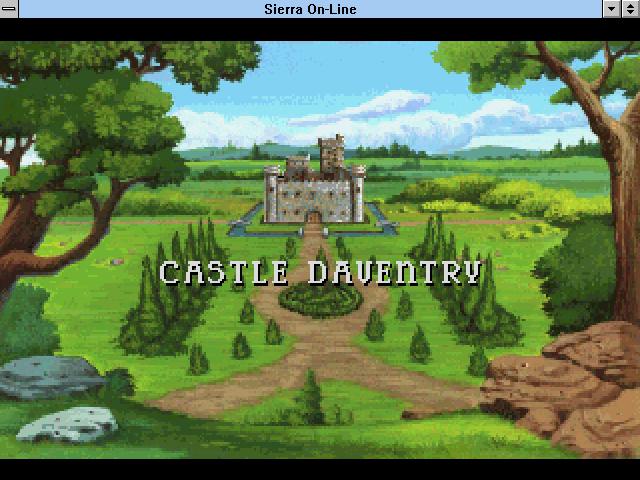
Sierra’s adventure games are well-known for being challenging, and the game narrator often jokes about the player’s failures. Whenever your character dies, you’re greeted with a pun or a witty remark describing how King Graham met his end. The writers created unique insults for all the different ways you can die, turning each defeat into a funny, if frustrating, reward for discovering creative ways to lose.
‘Friday the 13th’ (1989)
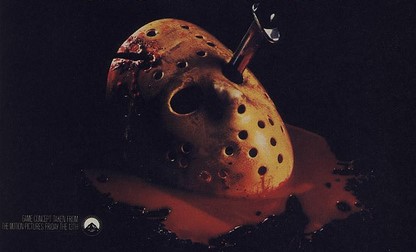
The Nintendo Entertainment System game based on the horror series delivers a surprisingly harsh message when you lose. If Jason Voorhees defeats all your counselors, the game bluntly tells you that you and your friends are dead. There’s no attempt to soften the blow or offer encouragement – it just states the grim reality of the situation. This direct and unforgiving message has become famous online and is remembered as a unique moment in gaming history.
‘Conker’s Bad Fur Day’ (2001)
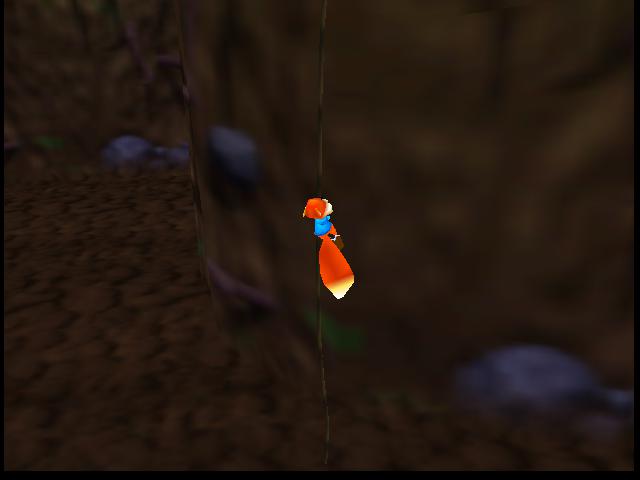
This platformer has a funny twist: the grim reaper, Gregg, gets increasingly frustrated with the main character’s constant dying. He eventually explains the idea of ‘lives’ to the character, Conker, in a rather patronizing way. Gregg doesn’t like cats and frequently grumbles about his job whenever the player respawns. His conversations create a comical, bureaucratic take on death, playfully poking fun at how video games usually handle losing.
‘Ninja Gaiden’ (1988)
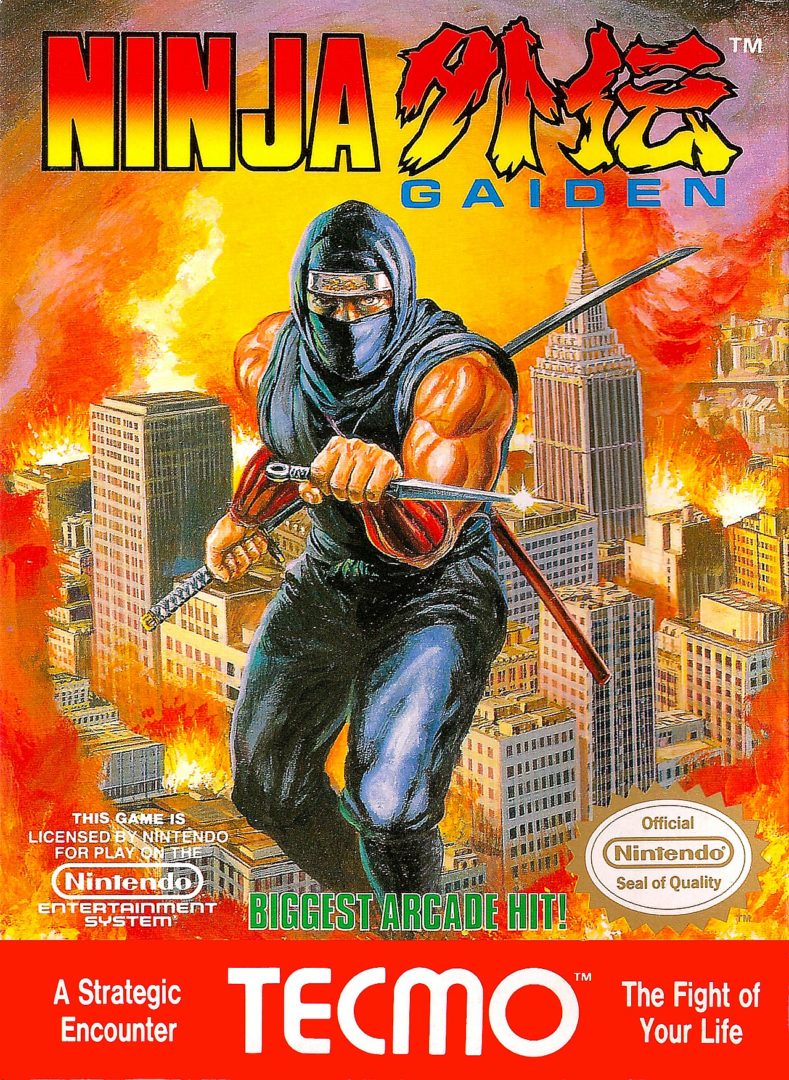
Man, this arcade game really knew how to stress you out! Whenever I was about to lose, the screen would show the hero tied down with a circular saw coming down on him. He’d be thrashing around, and there was this timer counting down… it was seriously terrifying! It totally worked though – I always jammed in another coin just to save him from that gruesome fate. It was a cheap trick, but it got me to keep playing!
‘Undertale’ (2015)
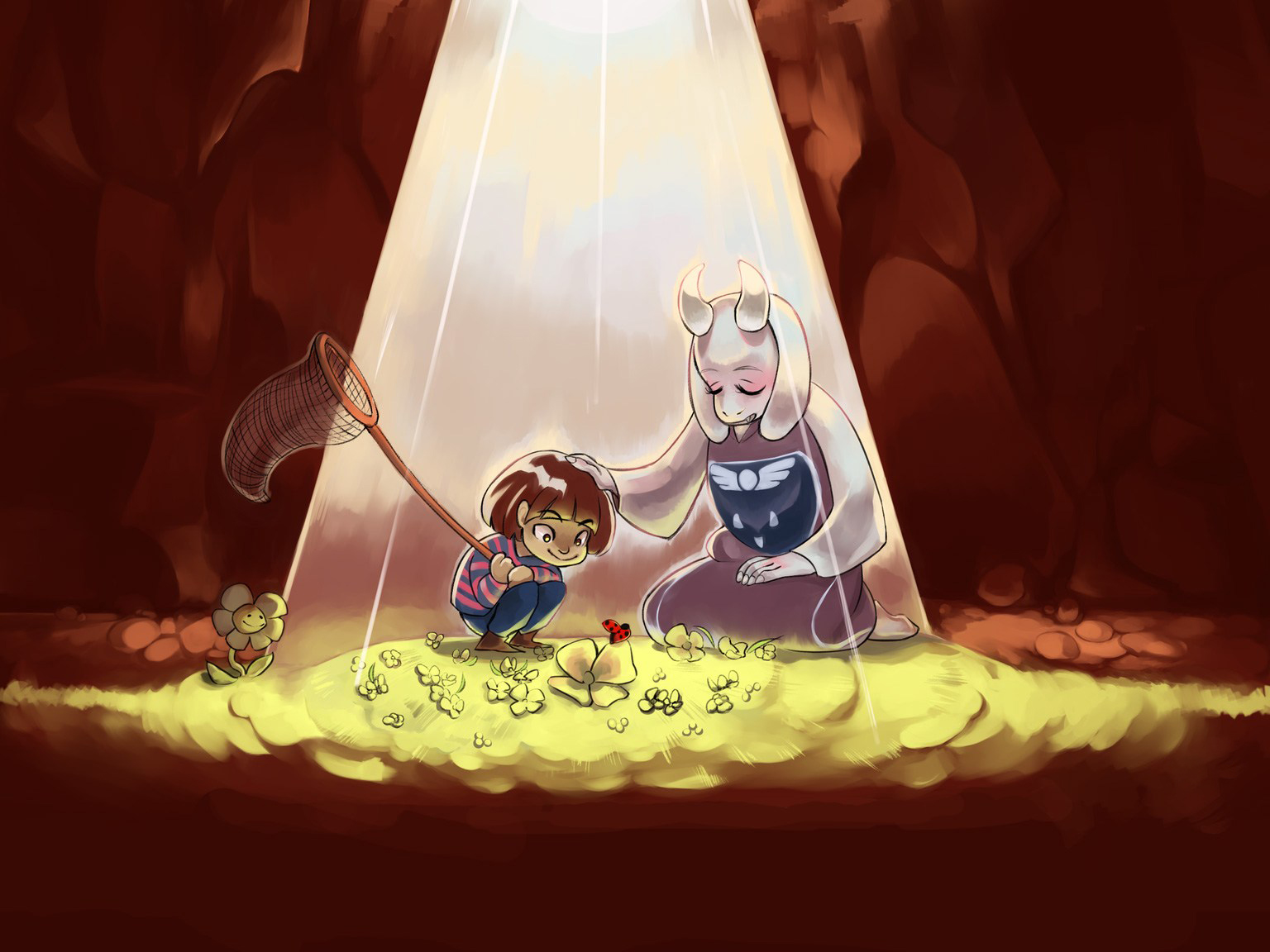
During a tough boss battle against Sans, he surprisingly offers the player mercy. If accepted, it’s a trick! The player instantly loses, and Sans taunts them for being too trusting. Instead of the usual ‘Game Over’ screen, a message appears referencing a humiliating defeat. This unexpected twist flips traditional RPG expectations, punishing players who hope for a peaceful outcome in the game’s most challenging fight.
‘I Wanna Be The Guy’ (2007)
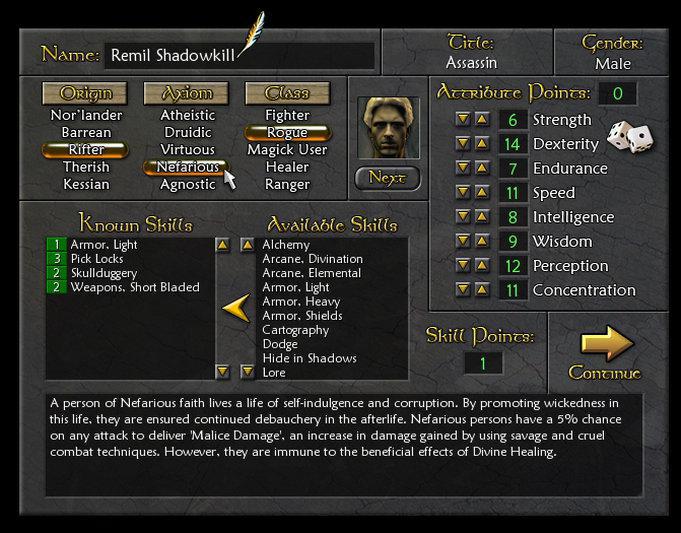
This independent platformer is built around challenging players with deliberately unfair obstacles and a very high level of difficulty. When you fail, the main character dramatically explodes on screen, accompanied by a cheerful orchestral piece – a snippet of music originally from a classic fighting game, which ironically highlights how often you’ll die. The entire game is designed to playfully annoy players, and the over-the-top death screen constantly reinforces that mischievous intent.
Please mention which game over screen frustrated you the most in the comments.
Read More
- 20 Movies Where the Black Villain Was Secretly the Most Popular Character
- Celebs Who Narrowly Escaped The 9/11 Attacks
- Transformers Under the Microscope: What Graph Neural Networks Reveal
- Top 20 Dinosaur Movies, Ranked
- Trading on Thin Air: AI Agents Conquer Crypto Volatility
- Silver Rate Forecast
- Gold Rate Forecast
- Invincible Season 4 Gender Swaps Tech Jacket As Fans Question Major Comic Change
- Every Notable ‘Star Trek: The Original Series’ Actor Who Died
- 22 Films Where the White Protagonist Is Canonically the Sidekick to a Black Lead
2025-11-23 05:48