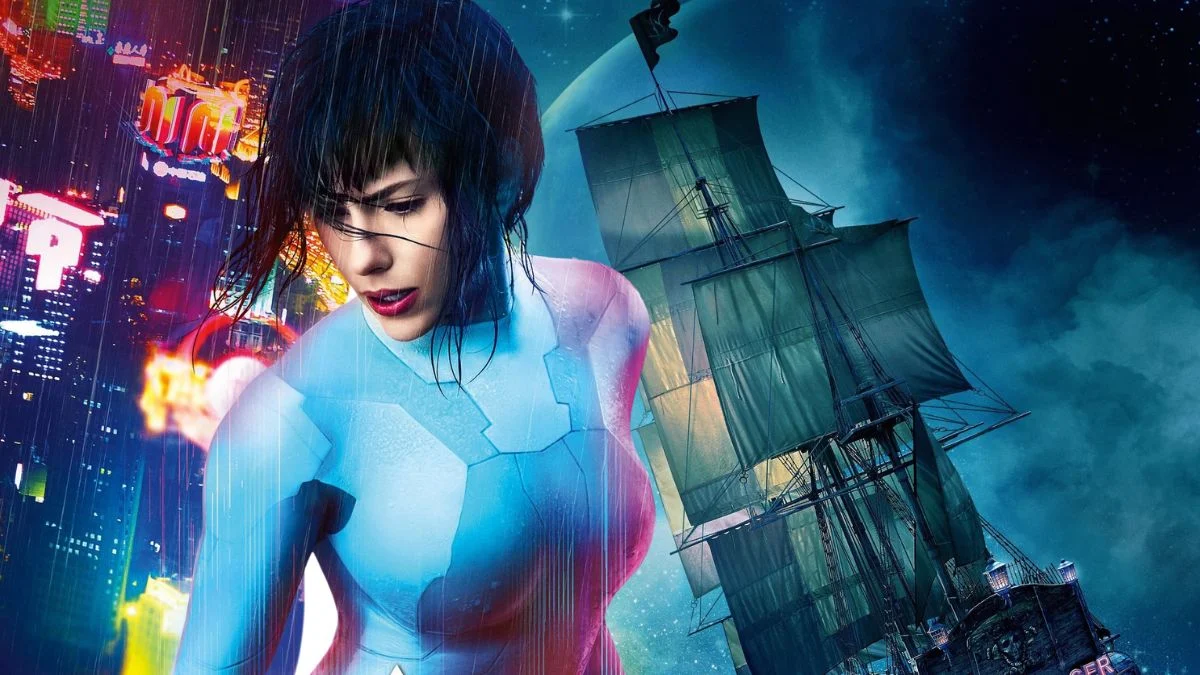
Hollywood casting choices often cause controversy, particularly when it comes to representing people from the past accurately. It’s common for the industry to choose actors with lighter skin or who are white to play characters who were historically people of color or from different ethnic groups. This can change how we see important historical figures and diminish the visual representation of the communities they belonged to. Several films demonstrate this pattern, where the desire for famous actors or a certain look seemed to outweigh the importance of portraying accurate skin tones and ethnicities.
‘Nina’ (2016)
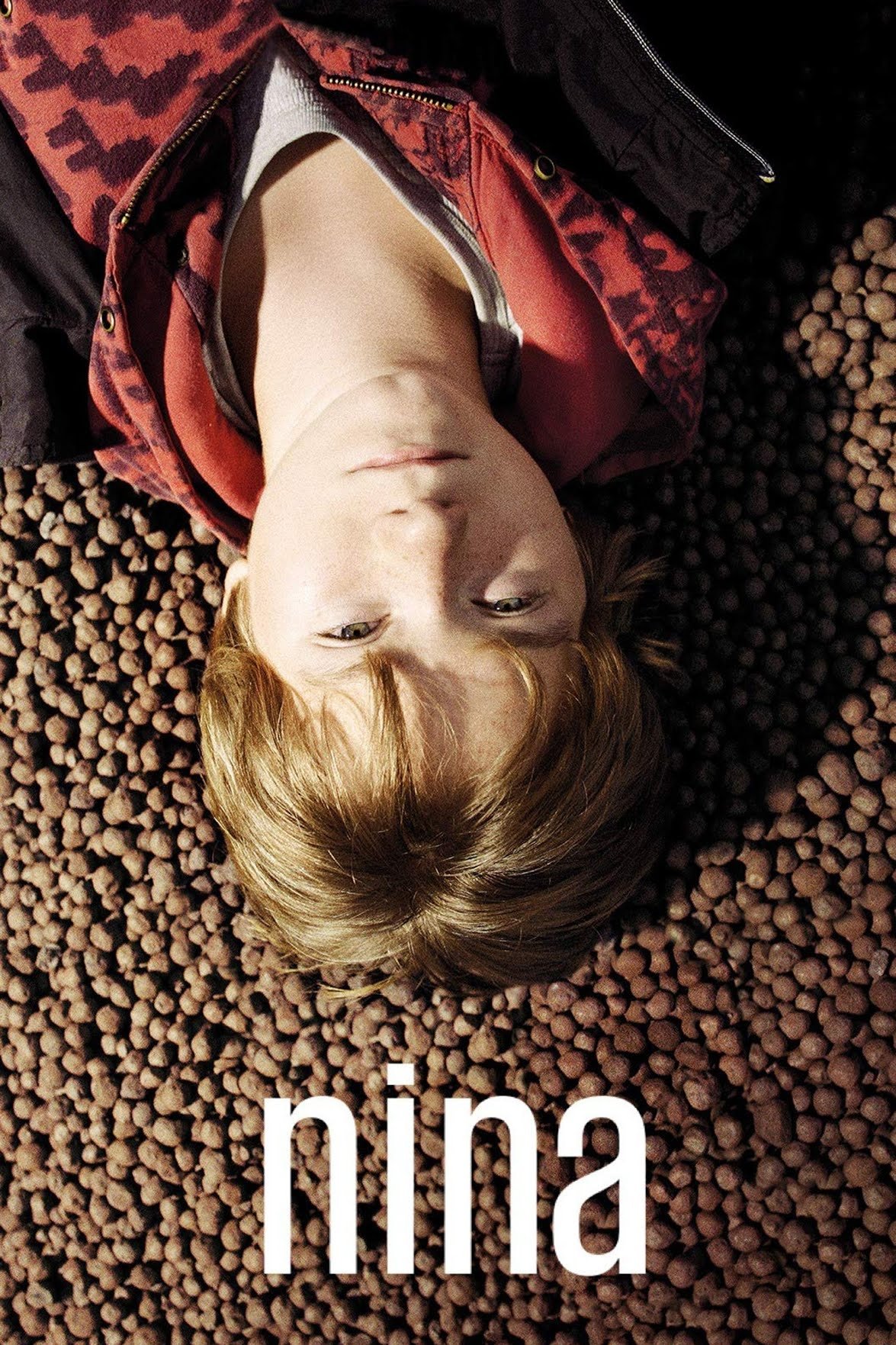
Zoe Saldana played Nina Simone, the famous singer and activist, in this biographical film. The movie received criticism for casting Saldana, who has lighter skin, to portray Simone, as her darker complexion was a key part of who she was and her beliefs. The filmmakers used makeup and prosthetics to darken Saldana’s skin for the role. Many critics felt this choice overlooked the colorism Simone experienced throughout her life. The film didn’t attract a large audience and sparked a debate about how actors are cast in Hollywood.
‘The Harder They Fall’ (2021)
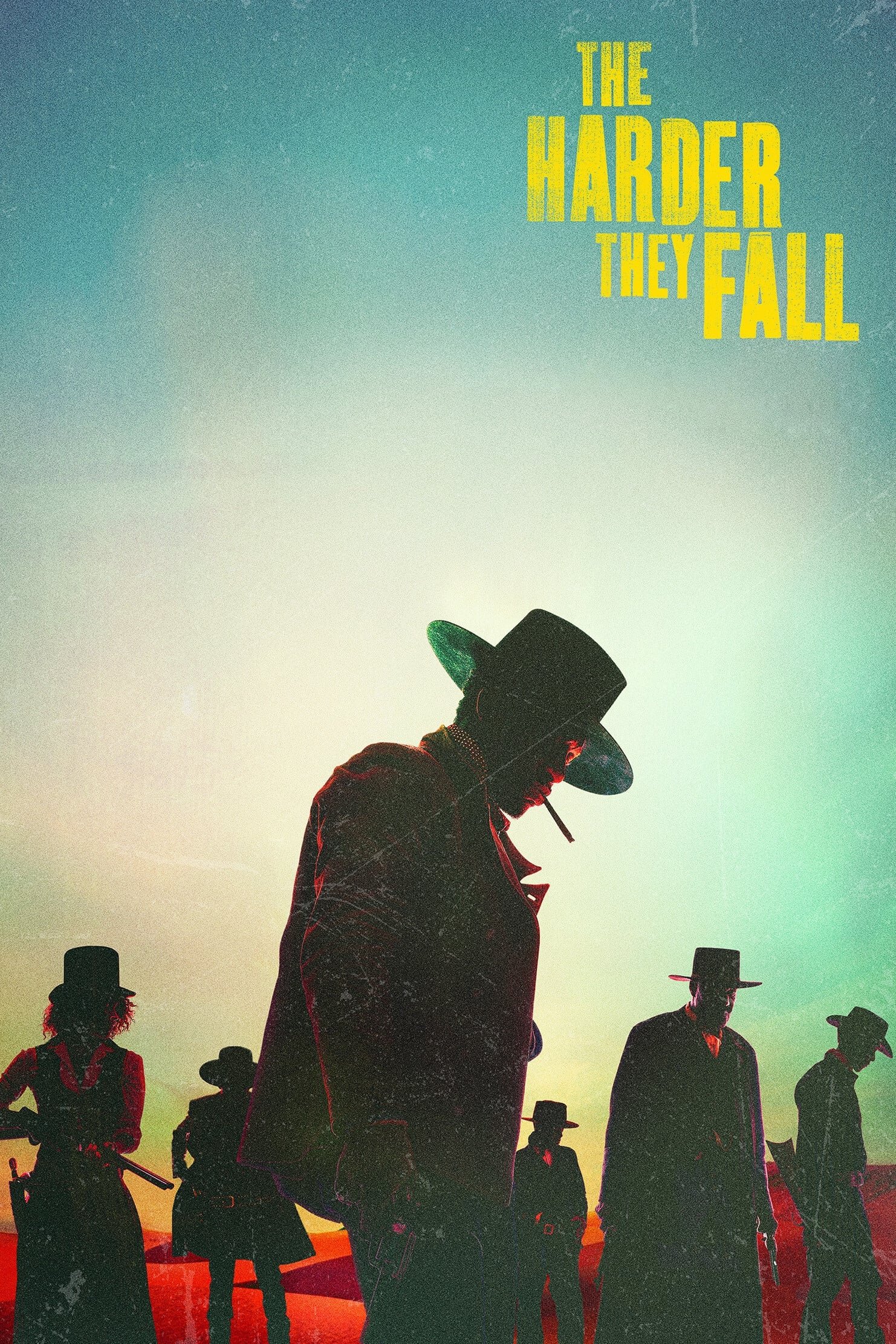
In his Western film, director Jeymes Samuel chose Zazie Beetz to play Stagecoach Mary Fields, a remarkable historical figure known for her dedication to delivering mail across Montana. The real Mary Fields was a dark-skinned, larger woman, and while Beetz gave a captivating performance, she didn’t physically resemble the historical figure. This casting sparked conversations about a pattern in period films – often choosing lighter-skinned actresses for leading roles – and brought renewed attention to the issue of colorism in films with predominantly Black casts.
‘Aloha’ (2015)

In Cameron Crowe’s film, Emma Stone played Captain Allison Ng, a character originally written as having both Chinese and Hawaiian ancestry. Stone, who has fair skin and hair, portrayed the role despite the character’s mixed ethnicity, meant to reflect Hawaii’s diverse population. Crowe later said the intention was to show the character as an outsider, but this explanation didn’t satisfy critics. Activist groups highlighted the ongoing lack of opportunities for Asian American and Pacific Islander actors in roles specifically written for them. The casting is now widely considered a prime example of whitewashing in modern film.
‘Prince of Persia: The Sands of Time’ (2010)
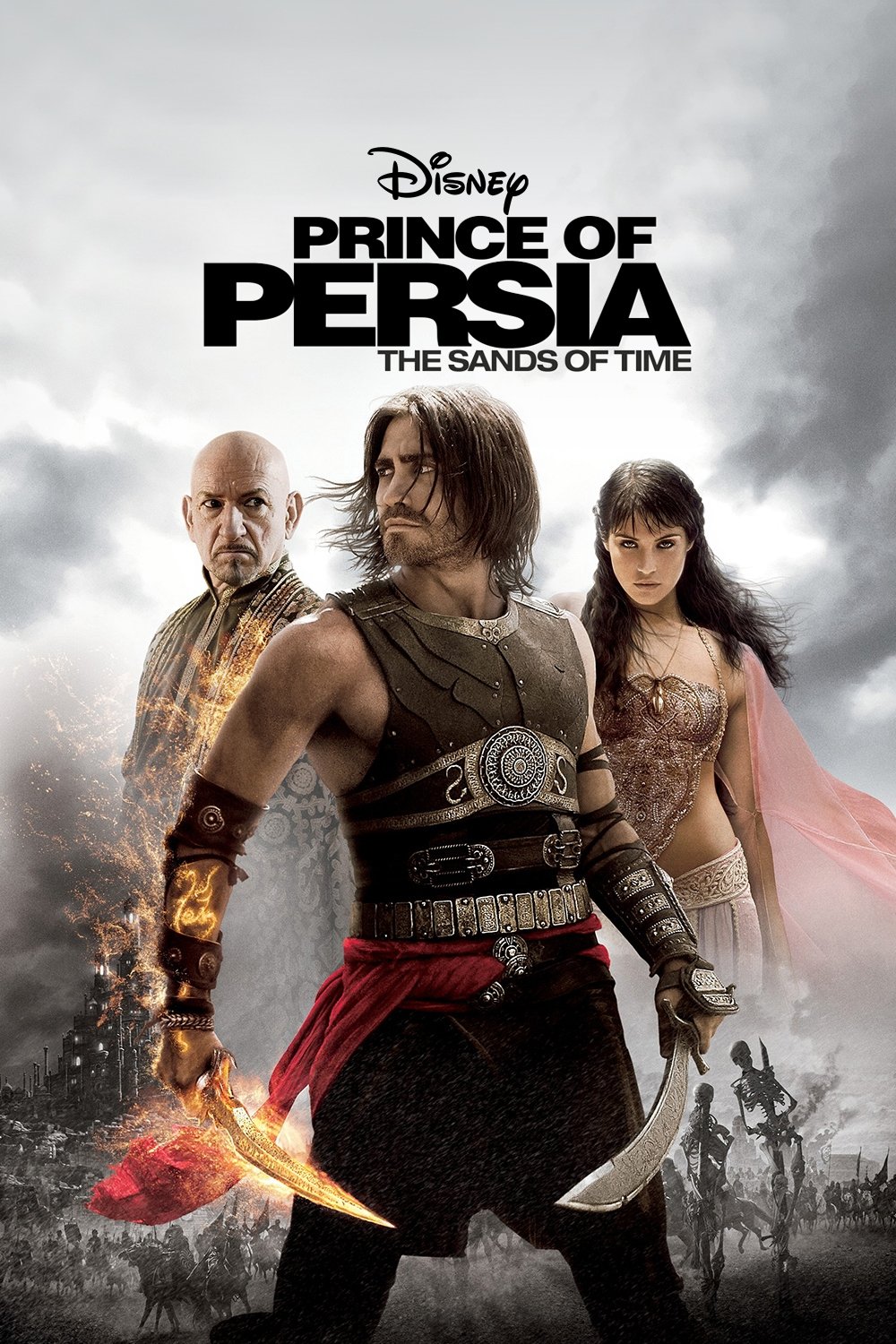
The movie, based on the popular video game set in ancient Persia, starred Jake Gyllenhaal as the lead character, Dastan. Disney chose Gyllenhaal, a white actor, instead of someone of Iranian or Middle Eastern heritage, sparking criticism. Many felt this decision ignored the cultural origins of the story, despite the studio’s intention to create a big action franchise. Gyllenhaal himself later admitted he should have declined the role and understood the concerns raised about the casting. The film remains a well-known instance of Hollywood prioritizing established white actors when telling stories with diverse cultural backgrounds.
‘A Mighty Heart’ (2007)
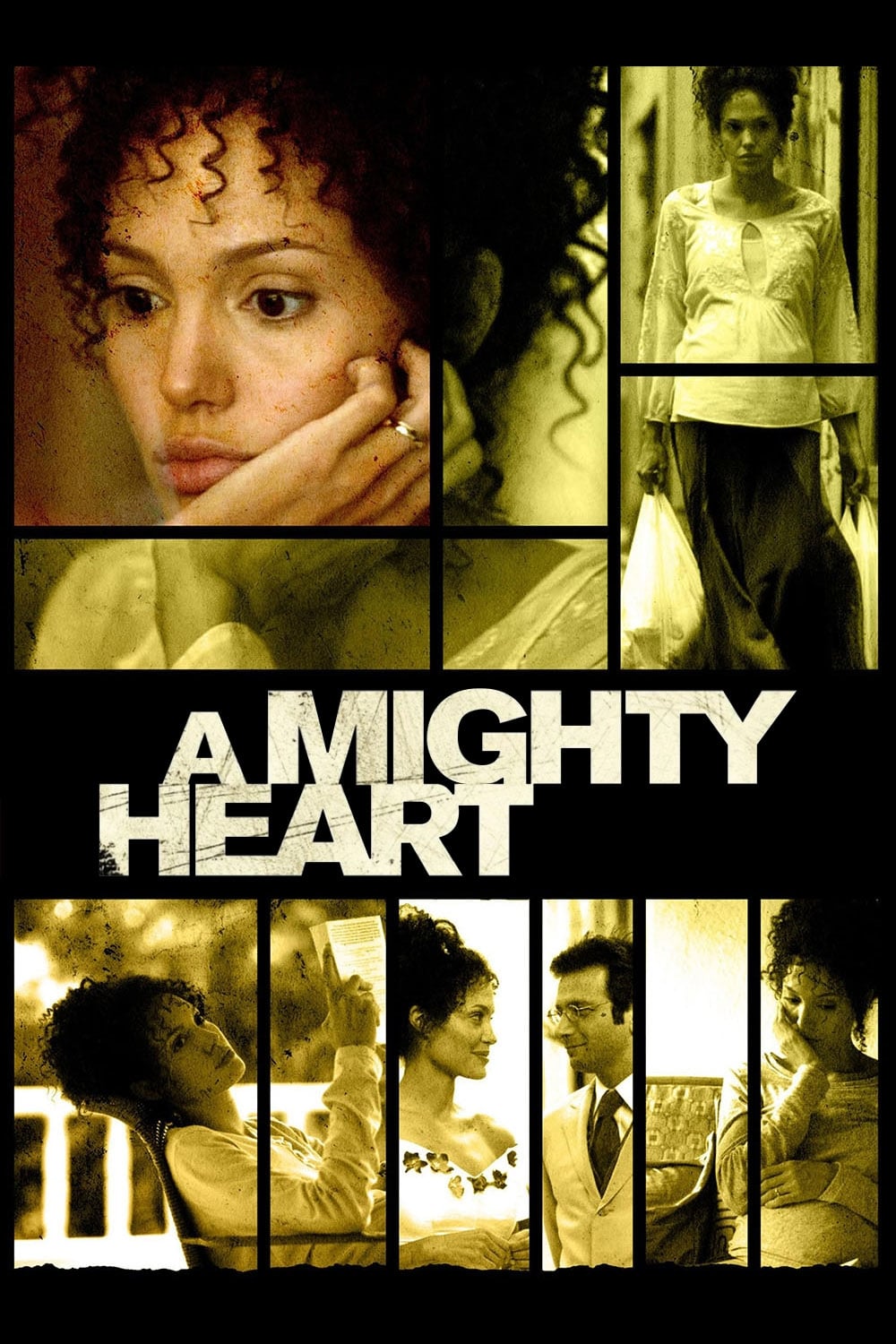
Angelina Jolie played Mariane Pearl, a journalist with Afro-Chinese-Cuban heritage, in a film about the journalist’s life. Jolie used a wig and makeup to change her appearance and portray Pearl, the widow of Daniel Pearl. Mariane Pearl herself approved of Jolie being cast, even though they didn’t look alike. However, some critics argued that a mixed-race actress should have been given the part. Much of the discussion around the film centered on how Jolie physically transformed to play the role.
‘Exodus: Gods and Kings’ (2014)
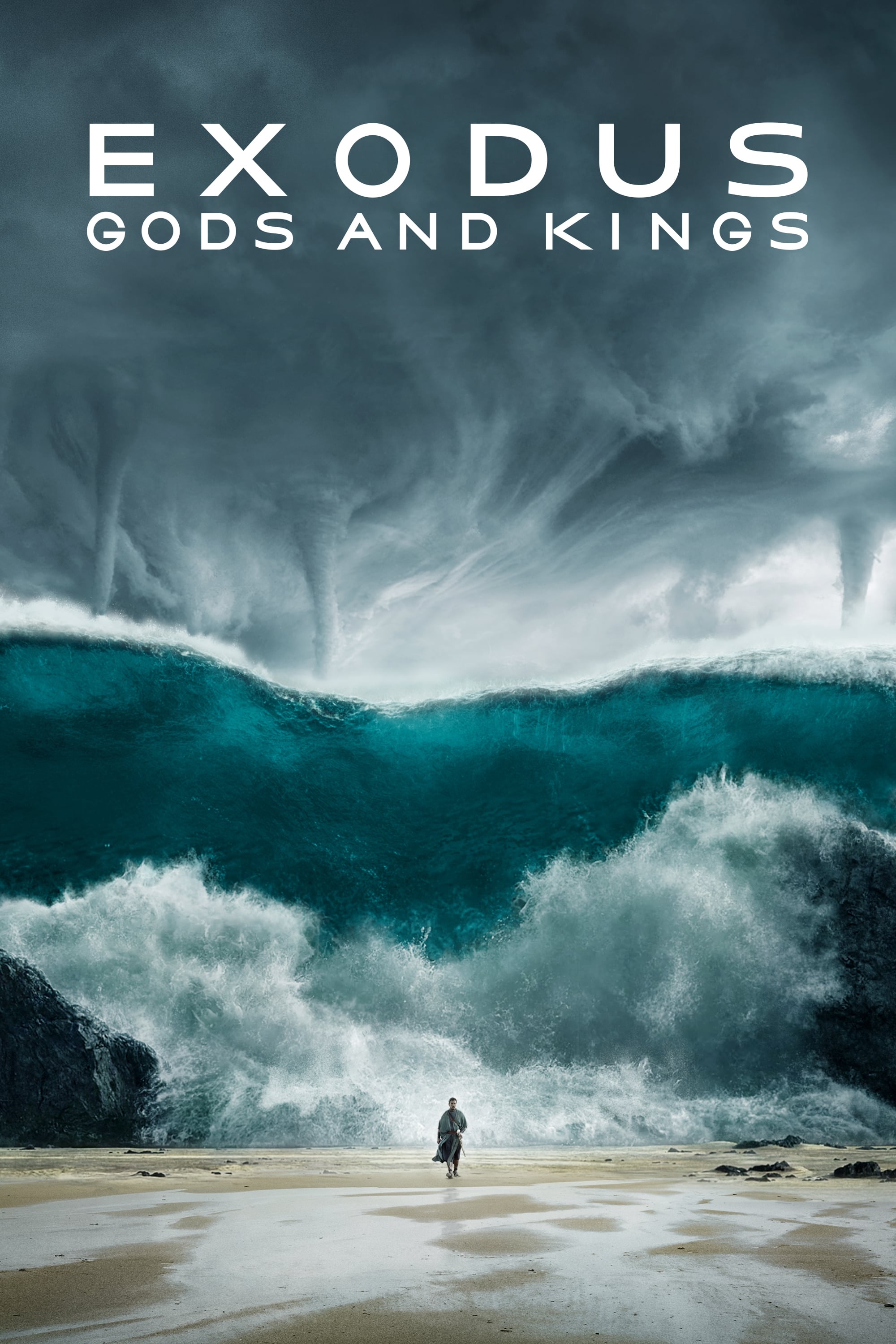
Ridley Scott’s biblical film, starring Christian Bale as Moses and Joel Edgerton as Ramesses II, faced criticism for casting white actors as ancient Egyptians. Scott explained this decision was made to attract funding and ensure the film’s large budget was secured. However, non-white actors were mostly limited to minor roles as servants or antagonists. This controversy drew significant attention and negatively affected the film’s performance in the United States.
‘Pan’ (2015)

Okay, let’s talk about the casting choices in this Peter Pan adaptation. Rooney Mara played Tiger Lily, and while the director, Joe Wright, aimed for a more diverse Neverland, casting a white actress in the role really sparked controversy. A lot of people felt it erased the character’s Native American heritage, and a petition gained thousands of signatures protesting the decision. The filmmakers said they were trying to shake things up, but ultimately, the movie didn’t do well at the box office. Honestly, it feels like this film is a prime example of how changing a character’s race can backfire and turn off audiences – a really interesting, and unfortunately unsuccessful, experiment.
‘Ghost in the Shell’ (2017)
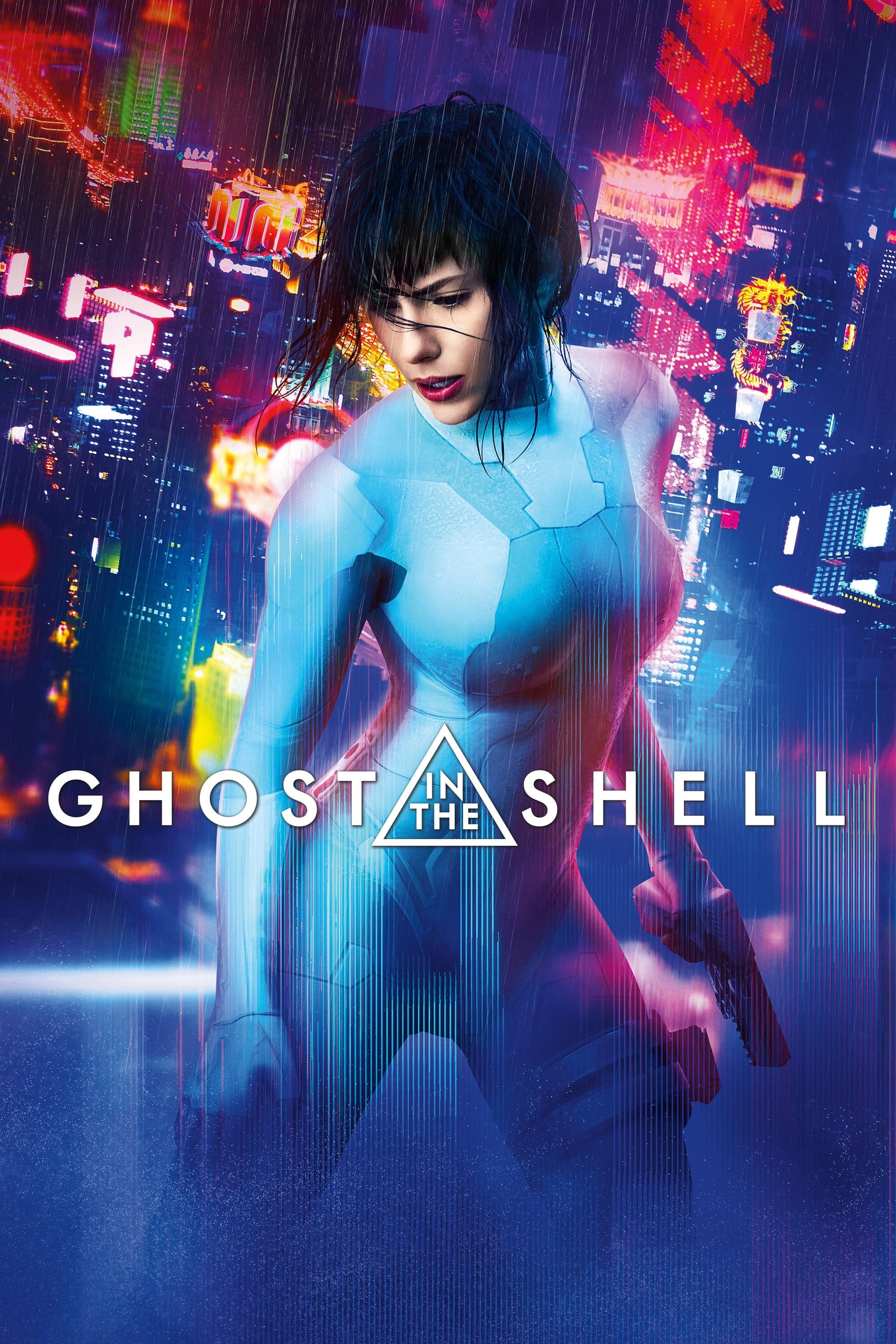
Scarlett Johansson played the main character, Major Mira Killian, in the movie based on the popular Japanese manga and anime. The original character, Motoko Kusanagi, is a famous cyborg from Japan, and her identity is closely linked to a futuristic Asian city. The filmmakers tried to justify the lead character’s appearance with a plot point about a stolen brain. However, many fans of the original story felt the movie focused too much on having a famous actress and didn’t prioritize accurate representation of Asian culture, which is central to the story. The film didn’t do well in theaters and sparked a debate about ‘whitewashing’ in science fiction movies.
‘Star Trek Into Darkness’ (2013)
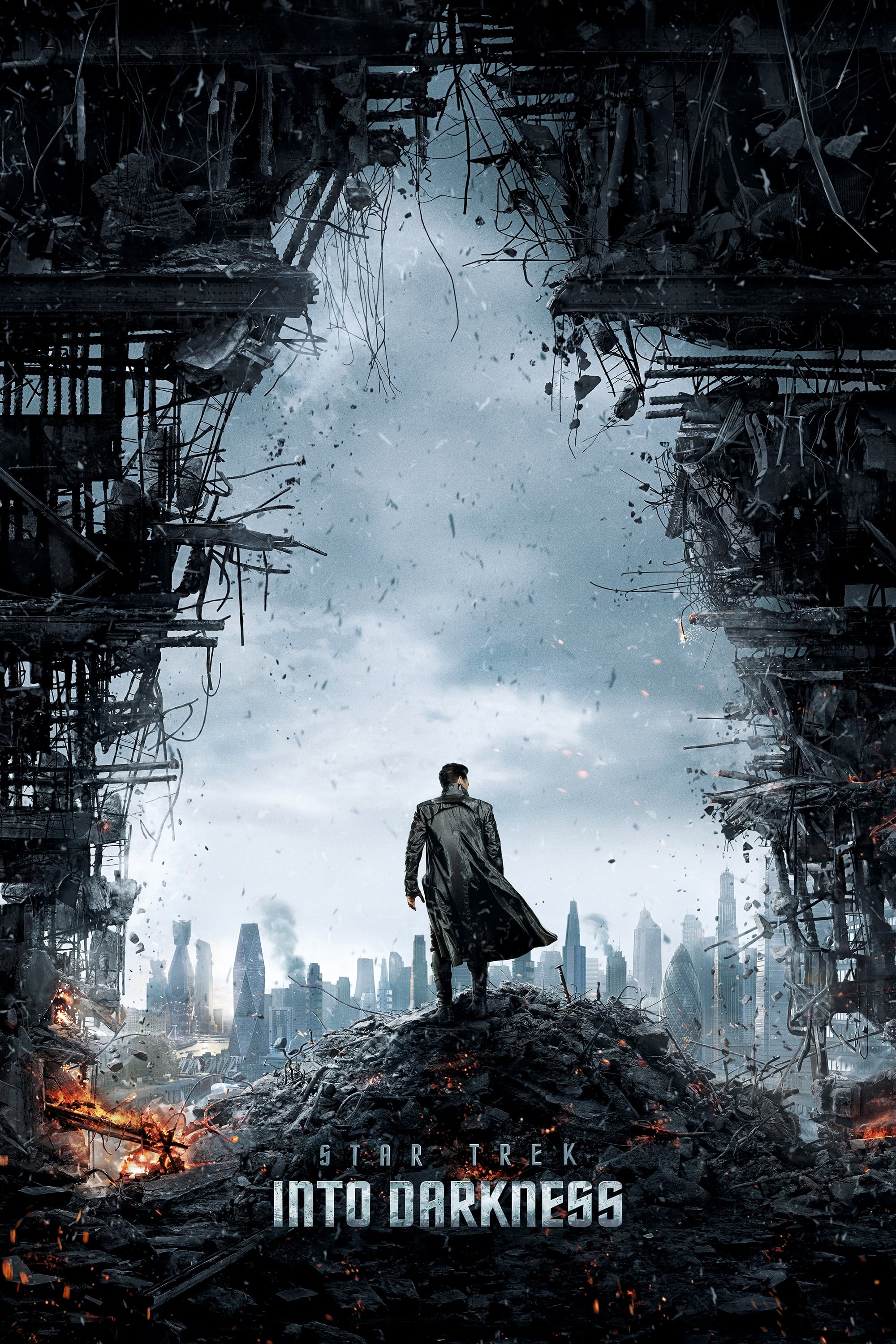
Benedict Cumberbatch played the villain Khan, a character originally created as a genetically engineered tyrant from northern India with Sikh heritage. Ricardo Montalbán famously played Khan in the original series and film. Director J.J. Abrams intentionally kept Cumberbatch’s casting secret, which meant the criticism didn’t surface until after the movie was released. Many fans, both old and new, were confused and disappointed by the decision to cast a white British actor in a role specifically written as being of Indian descent, and it’s often seen as a mistake in the reboot of the franchise.
‘The Lone Ranger’ (2013)

Johnny Depp starred as Tonto, a Native American character, alongside Armie Hammer in Disney’s expensive western film. Depp, who stated he had some Native American roots, collaborated with the Comanche Nation to prepare for the role. However, many critics felt his portrayal relied on harmful stereotypes and wasn’t a genuine representation of Native American culture. Depp’s extensive makeup and feathered headdress sparked debate about the use of ‘redface’ in Hollywood. Ultimately, the film didn’t succeed and resulted in substantial financial losses for Disney.
‘Gods of Egypt’ (2016)
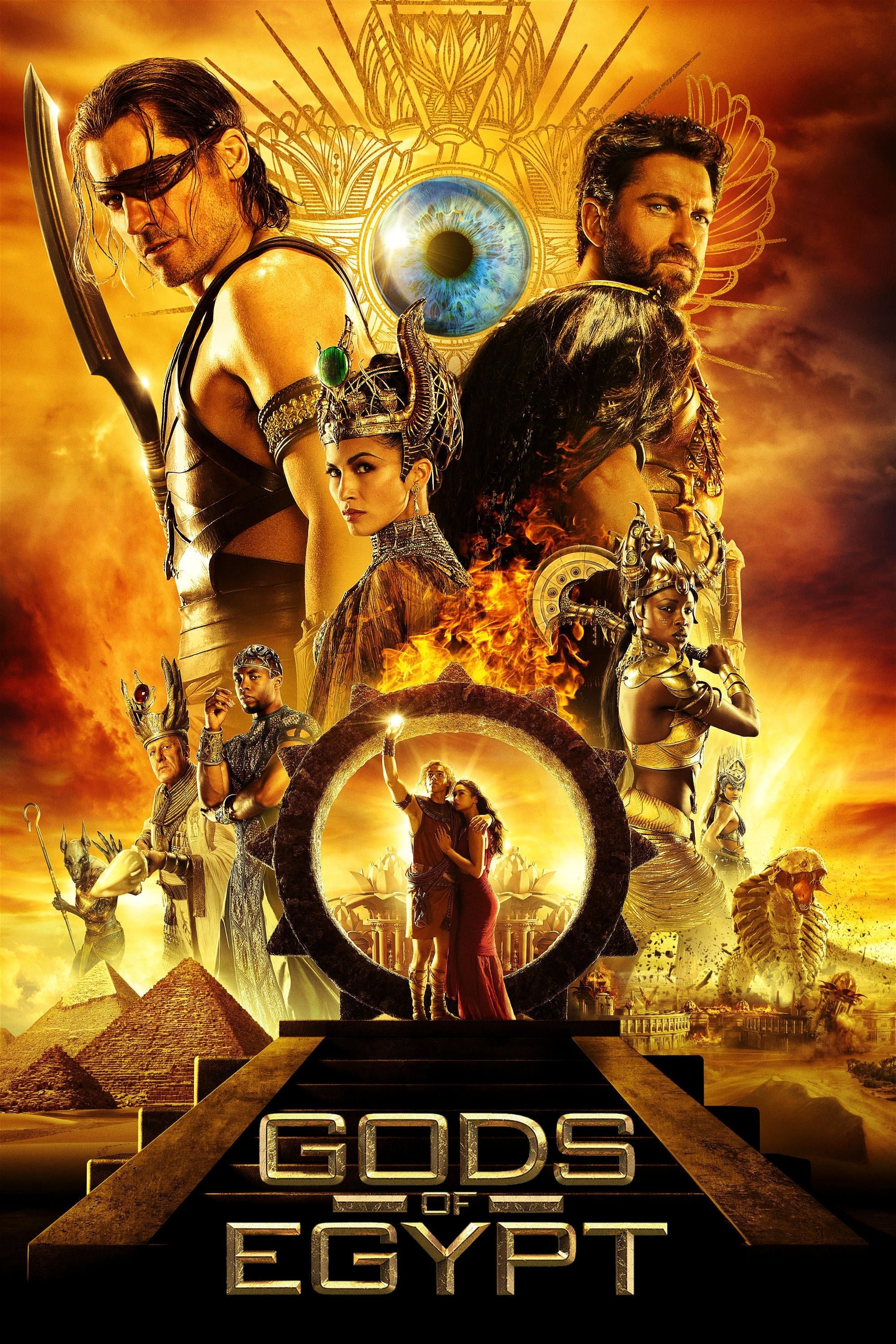
The fantasy action film starred Gerard Butler and Nikolaj Coster-Waldau as Egyptian gods, but faced criticism for casting mostly white actors to play characters rooted in African mythology. Even before the movie was released, the director, Alex Proyas, and the studio apologized for the lack of diversity. The film prioritized a certain look over historical and geographical accuracy when portraying ancient Egypt. This apology was unusual because the studio admitted the casting choices were problematic before the film came out.
‘X-Men: Apocalypse’ (2016)
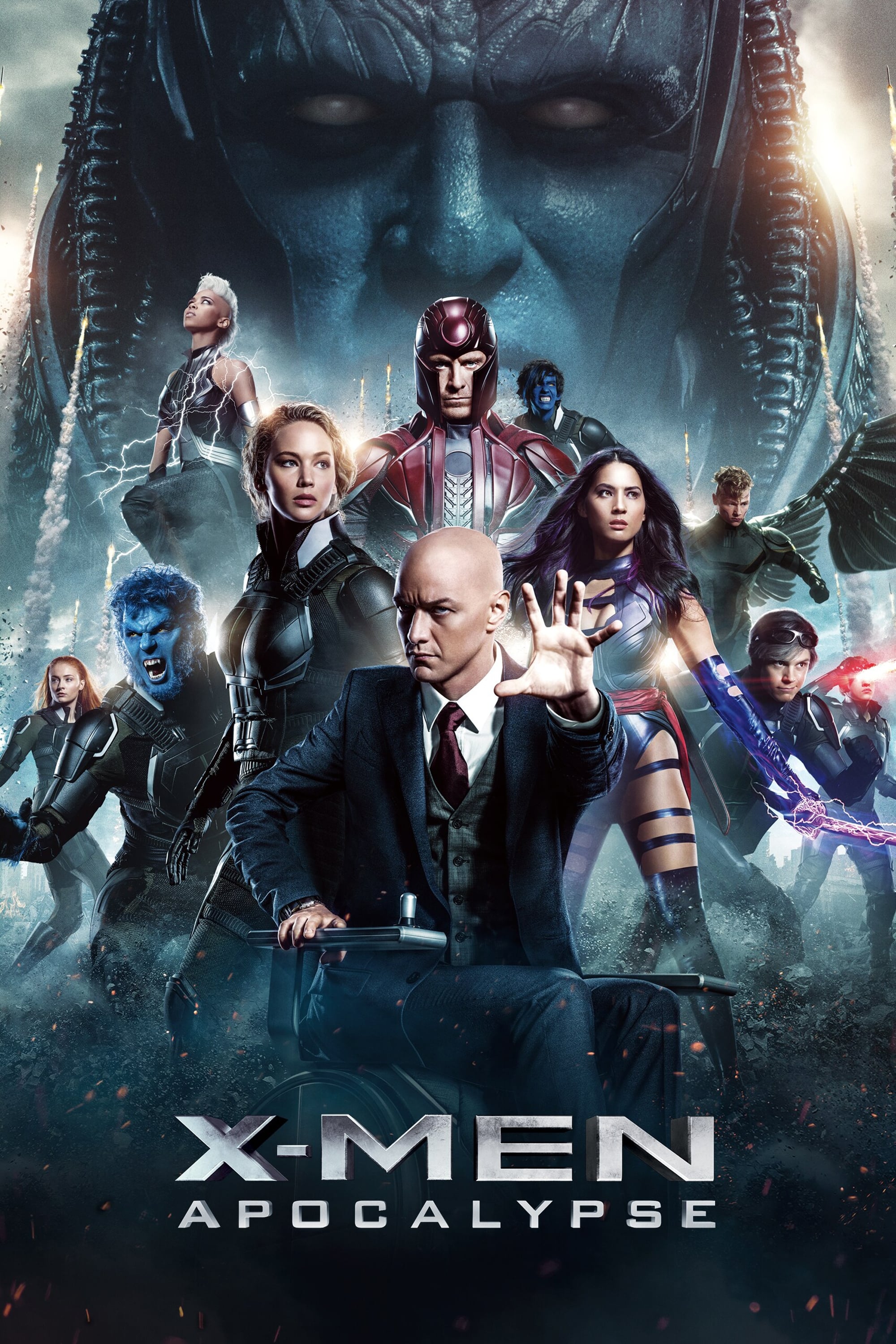
Alexandra Shipp now plays Ororo Munroe, better known as the mutant Storm. The character, originally created in comic books as the daughter of a Kenyan princess and an American journalist, is usually portrayed with dark skin. Shipp, a light-skinned biracial actress, took over the role from Halle Berry. Many fans were upset that the franchise once again didn’t cast a dark-skinned actress for this iconic Black superheroine. This casting choice brought attention to the ongoing issue of colorism within the superhero genre, even as it tries to become more diverse.
‘The Conqueror’ (1956)

Okay, let me tell you about a movie that’s… well, it’s a fascinating train wreck. John Wayne, the ultimate American cowboy, played Genghis Khan. Yes, you read that right. It’s widely considered one of the worst miscasts in film history, and honestly, it’s easy to see why. The attempt to make Wayne look Mongolian involved a lot of makeup and some seriously questionable eye taping. But no matter what they did, he still sounded like John Wayne delivering lines in the middle of the Mongol Empire. It was unintentionally hilarious, and frankly, pretty offensive even back then. It’s a perfect example of the old Hollywood practice of ‘yellowface,’ and a film that continues to be talked about – mostly for all the wrong reasons.
‘Cleopatra’ (1963)
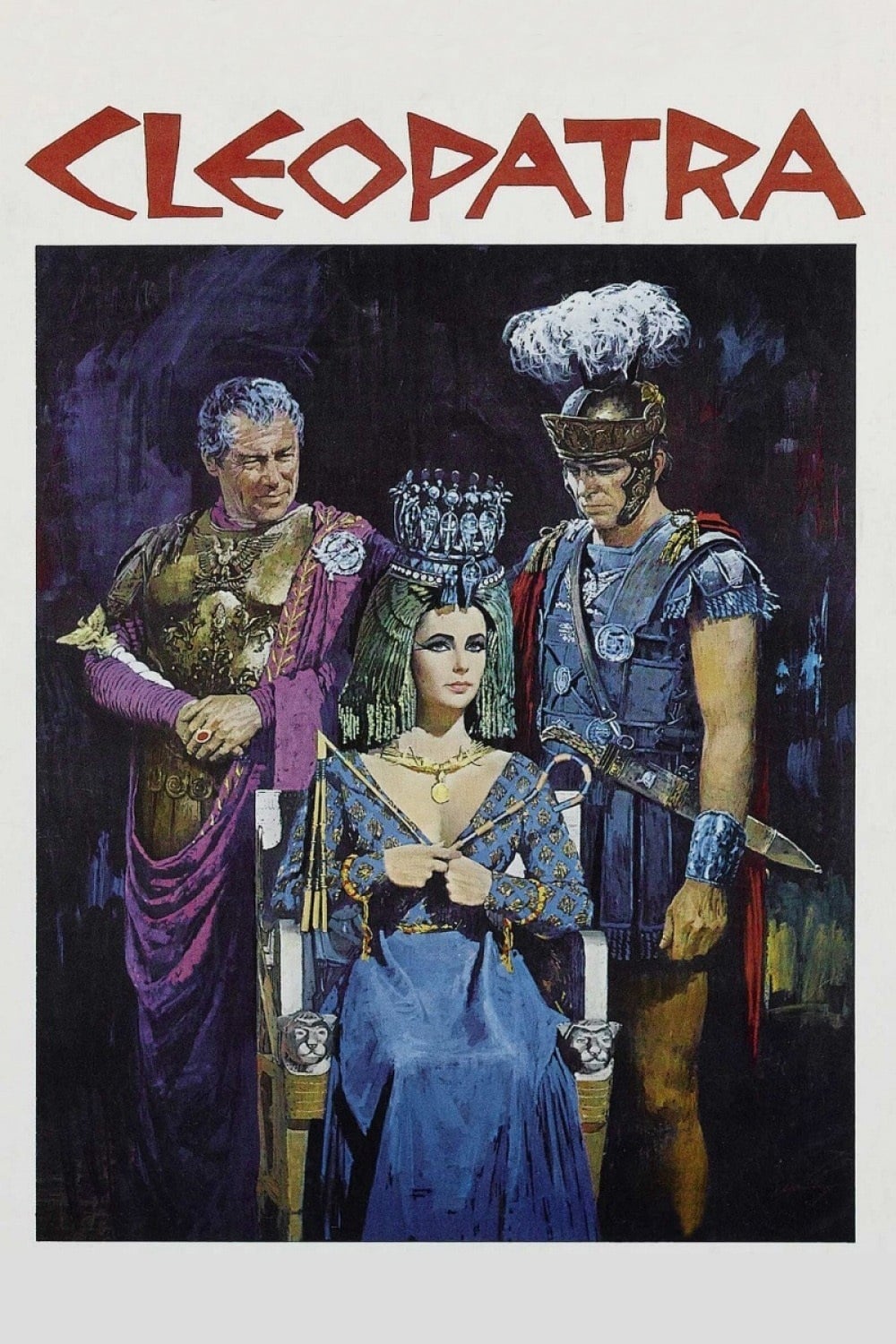
Elizabeth Taylor famously played Cleopatra in a lavish and incredibly costly film. Though Cleopatra’s ancestry was Greek Macedonian, she was a ruler of Egypt, and many consider her an important figure in Black history. Taylor portrayed her with her signature look and classic Hollywood style, rather than striving for historical accuracy in terms of her appearance. This depiction established a particular image of the queen in popular culture, one that emphasized European beauty ideals. That portrayal continues to spark discussions about how best to represent ancient Egyptians in movies and television.
‘Dragonball Evolution’ (2009)
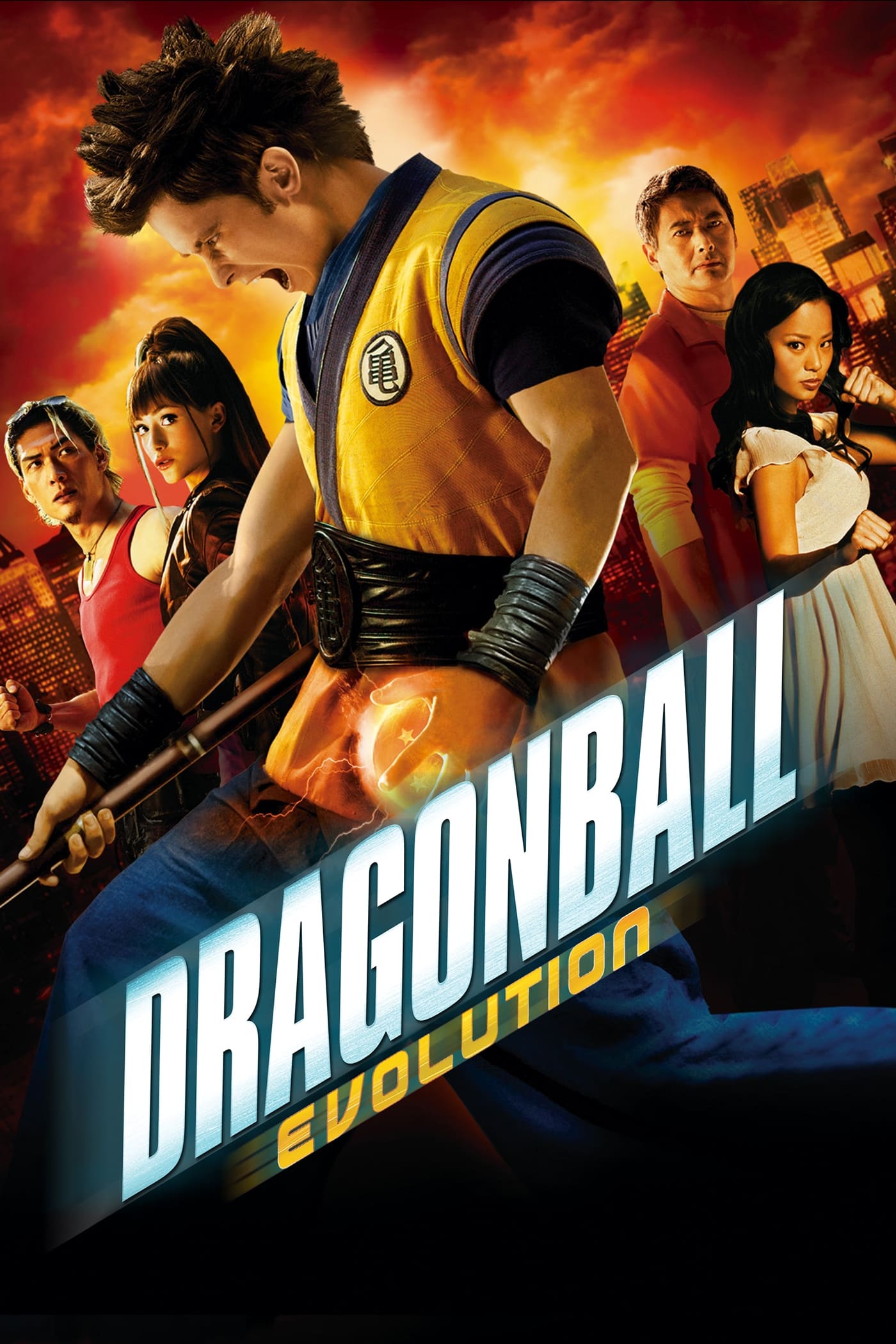
Justin Chatwin played Goku in the live-action Dragon Ball movie, but his portrayal didn’t reflect the character’s Asian heritage or visual design from the original Japanese manga. This caused a strong negative reaction from fans, who felt the film significantly changed the story and ‘whitewashed’ the characters. The screenwriter later apologized for the adaptation’s poor quality and lack of respect for the source material.
Share your thoughts on these casting choices and other examples you have noticed in the comments.
Read More
- Games That Faced Bans in Countries Over Political Themes
- Gold Rate Forecast
- Silver Rate Forecast
- Unveiling the Schwab U.S. Dividend Equity ETF: A Portent of Financial Growth
- 22 Films Where the White Protagonist Is Canonically the Sidekick to a Black Lead
- Superman Flops Financially: $350M Budget, Still No Profit (Scoop Confirmed)
- 20 Movies Where the Black Villain Was Secretly the Most Popular Character
- Celebs Who Narrowly Escaped The 9/11 Attacks
- 14 Movies Where the Black Character Refuses to Save the White Protagonist
- The Best Directors of 2025
2025-12-07 18:47