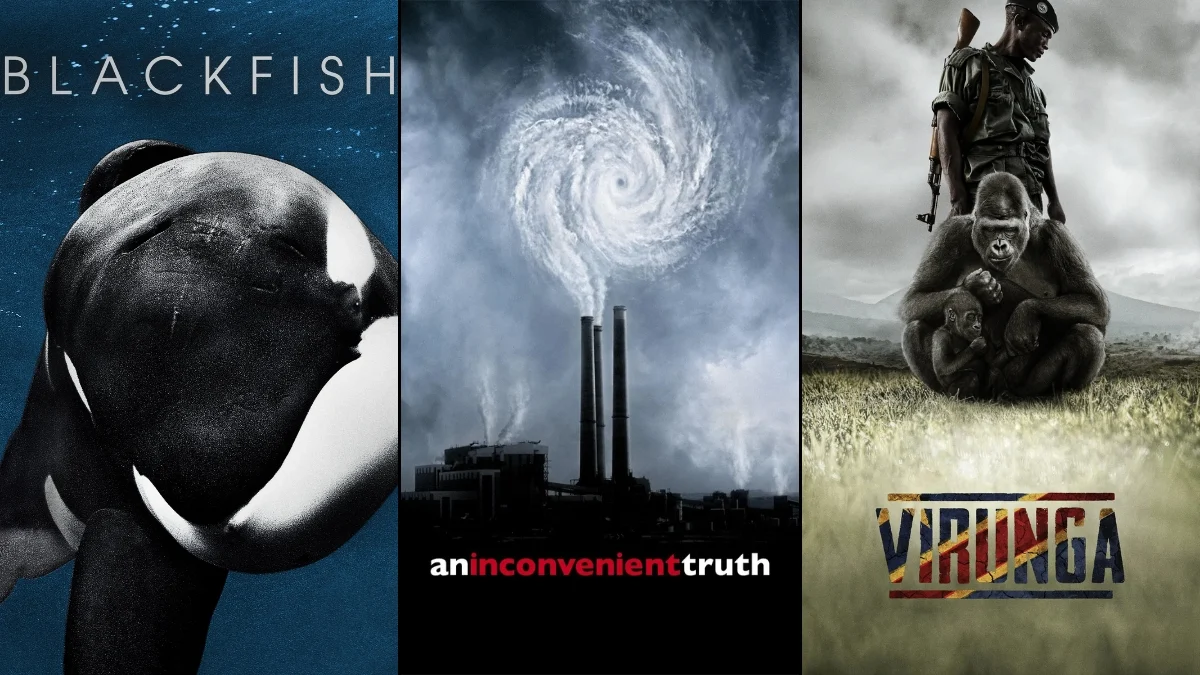
I’ve always been amazed by the power of documentaries. They have this incredible way of bringing hidden problems to light and getting people fired up about making a real difference. It’s inspiring to see filmmakers dedicate themselves to exposing things that often get ignored by mainstream news, like corruption or flaws in how systems work. What’s even more incredible is that these films don’t just entertain – they actually change things! They can lead to new laws being passed or big companies altering their behavior. I’ve put together a list of fifteen documentaries that really prove this point – films that didn’t just tell a story, but actually transformed society for the better.
‘Blackfish’ (2013)
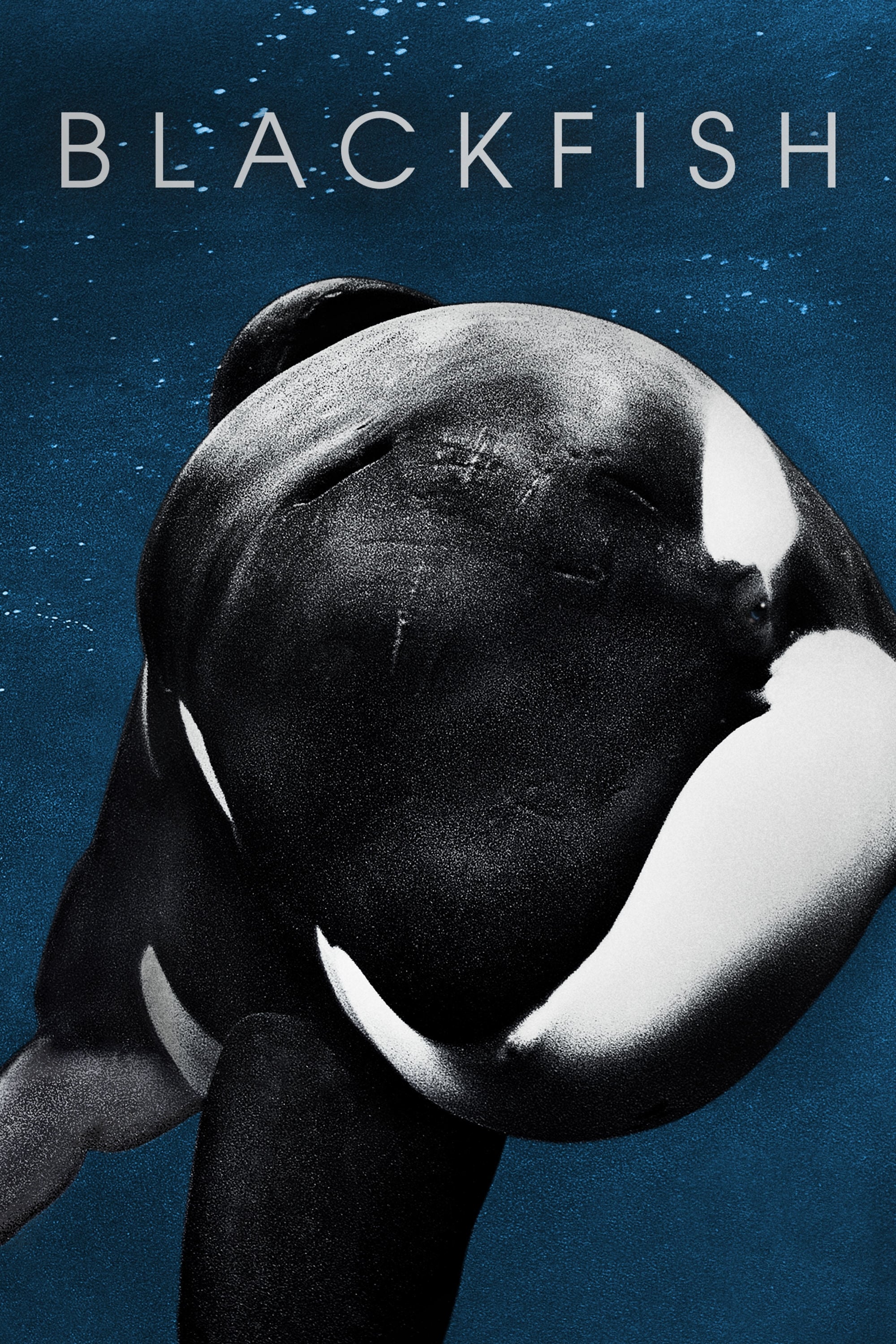
Gabriela Cowperthwaite’s documentary, Blackfish, examined the life of Tilikum, an orca held in captivity at SeaWorld, and highlighted concerns about the treatment of these animals. The film sparked public criticism, which led to declining attendance and financial losses for SeaWorld. As a result, SeaWorld ended its orca breeding program and stopped putting on theatrical killer whale shows. The documentary also influenced California lawmakers to pass a law prohibiting the breeding of orcas in captivity.
‘The Thin Blue Line’ (1988)
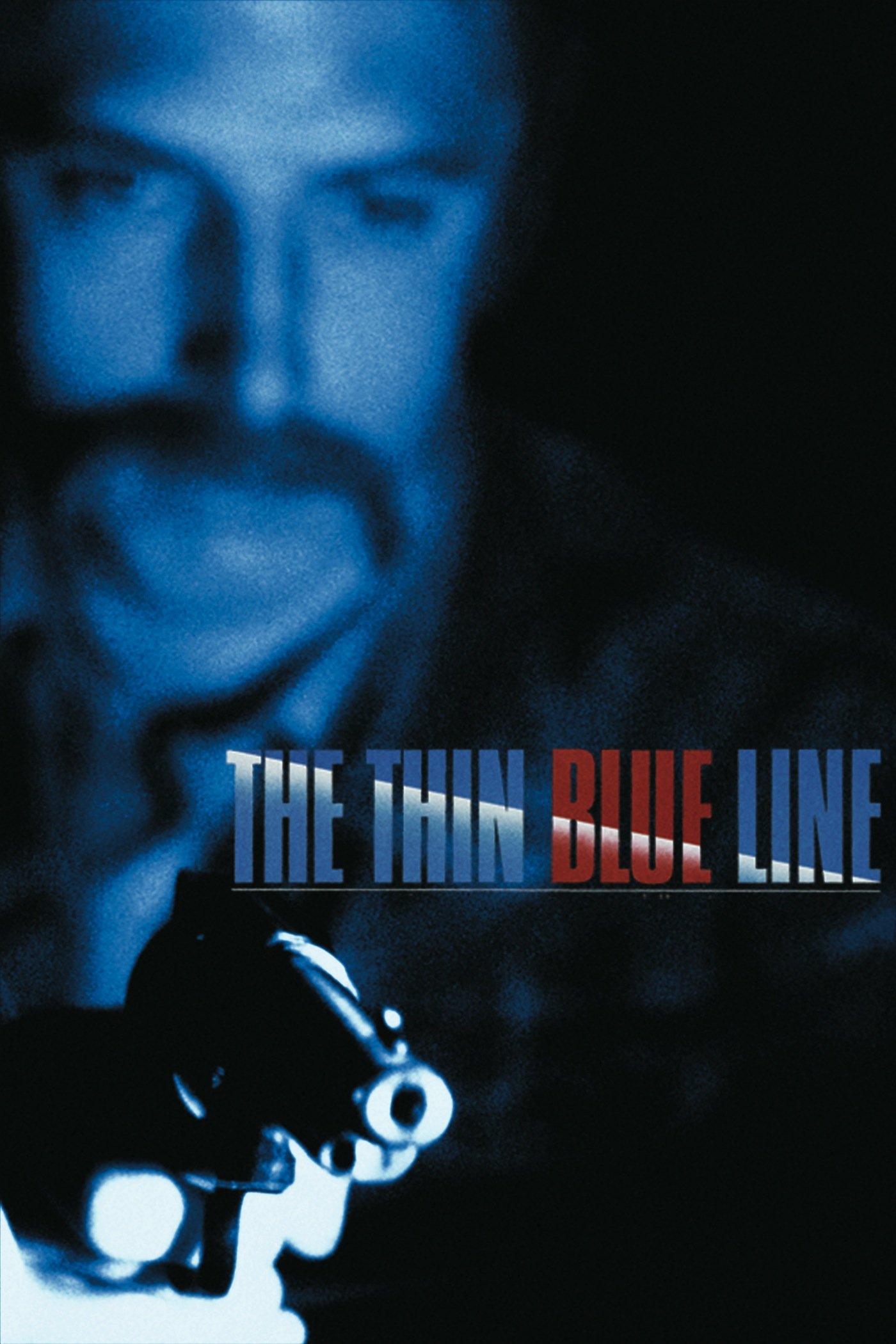
Errol Morris’s film examined the murder conviction of Randall Adams, a man accused of killing a police officer in Dallas. The film presented evidence and interviews that suggested Adams was actually innocent and someone else was responsible. The attention the documentary received led to a review of the case, and Adams was ultimately found innocent and freed from prison. This film is often considered a groundbreaking example of true crime documentaries that can lead to real changes in the justice system.
‘Super Size Me’ (2004)

In his documentary, Morgan Spurlock ate nothing but McDonald’s for 30 days to show how unhealthy fast food can be. During the experiment, he gained weight and experienced several health problems. After the film became popular, McDonald’s stopped offering the Super Size option. The documentary led to a national discussion about healthy eating and the responsibility of companies in addressing obesity.
‘The Invisible War’ (2012)
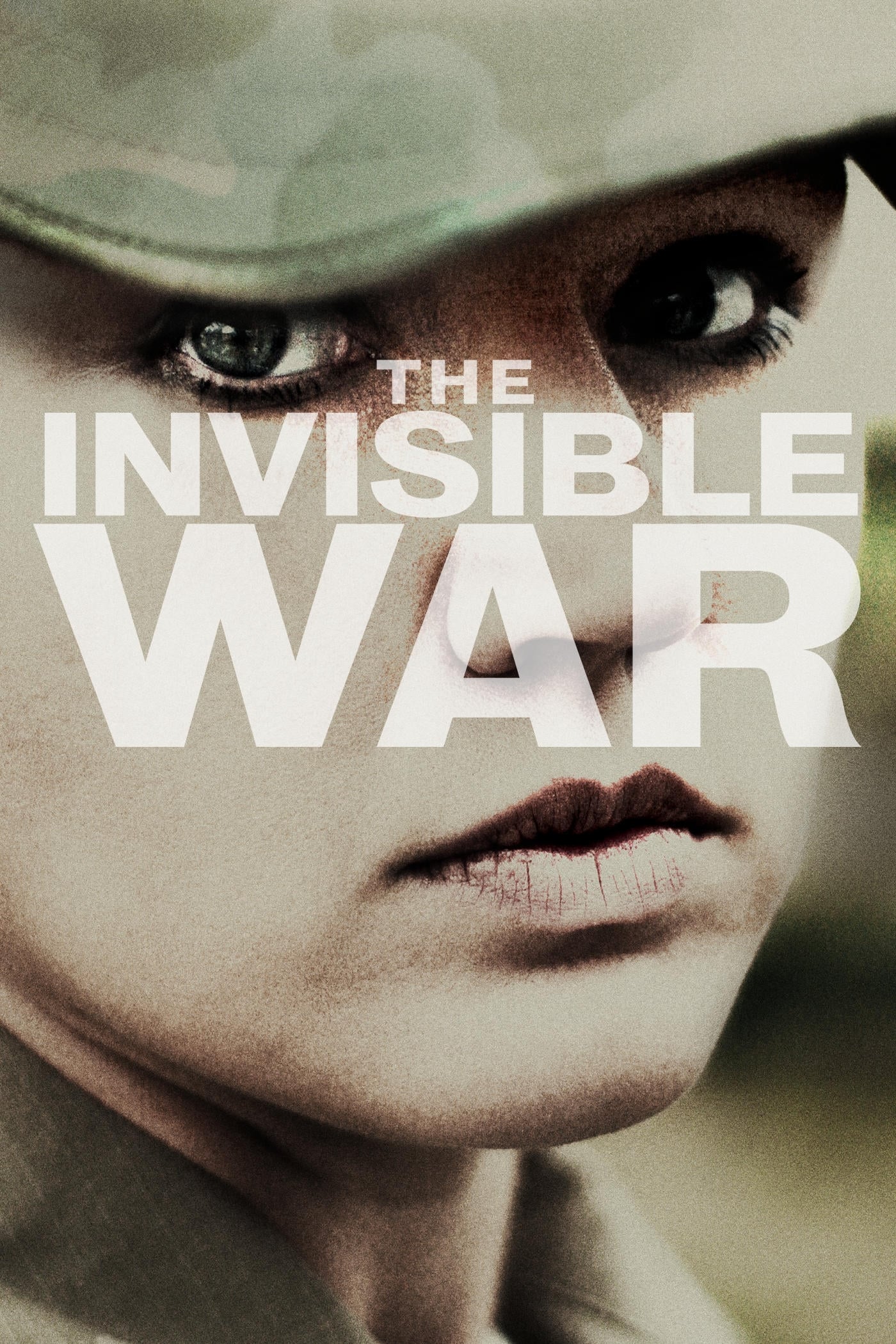
Kirby Dick’s film shed light on the widespread problem of rape and sexual assault in the U.S. military. It shared the stories of veterans who bravely described their experiences and the difficulties they faced in getting justice. Shortly after seeing the film, Secretary of Defense Leon Panetta announced important changes to how the military handles sexual assault investigations, and it played a key role in driving crucial reforms within the Department of Defense.
‘Bowling for Columbine’ (2002)
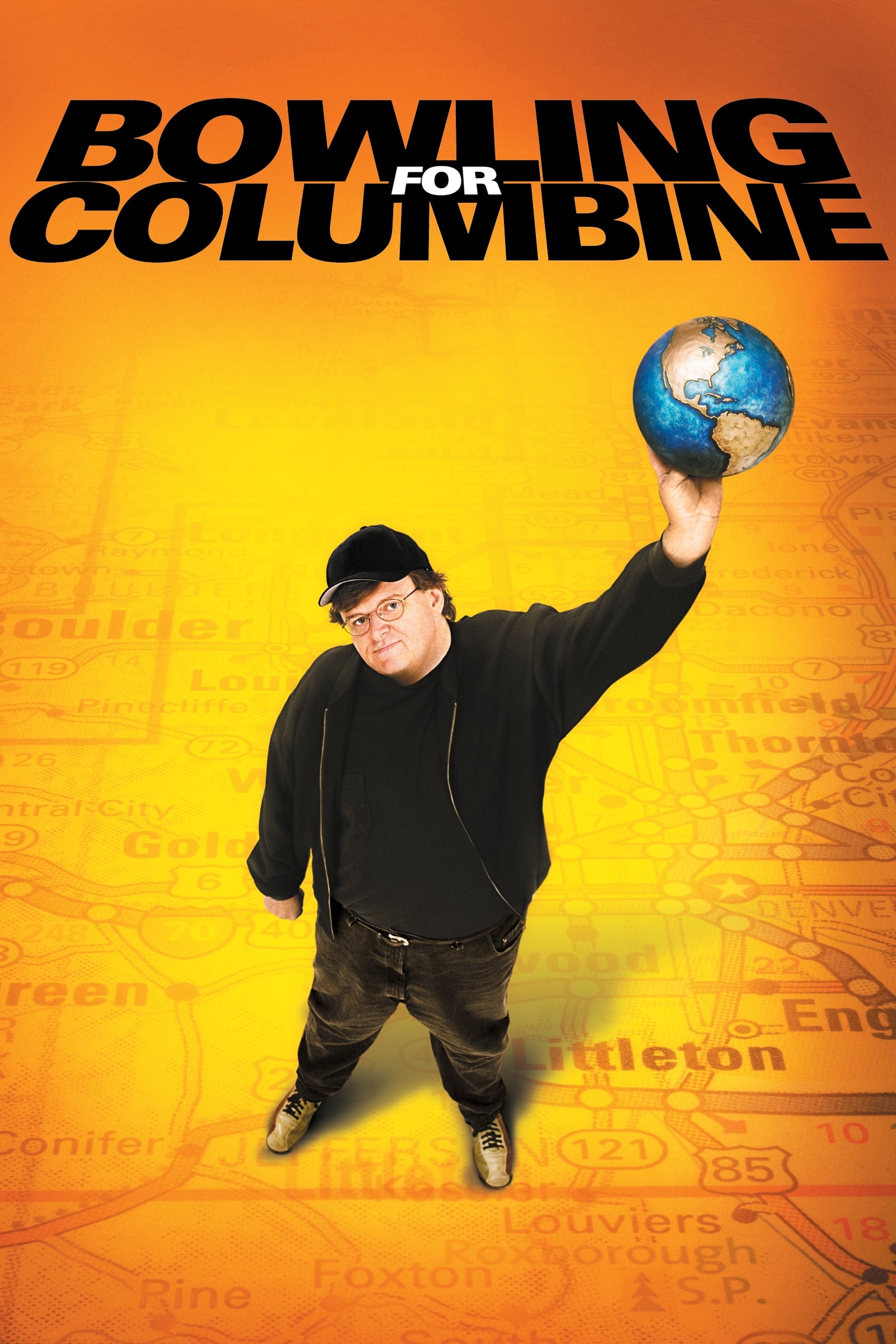
After the tragic Columbine High School shooting in 1999, filmmaker Michael Moore explored the causes of gun violence in America. His investigation included a segment where survivors of the shooting directly confronted Kmart, urging them to stop selling handgun ammunition. Kmart responded by announcing they would no longer sell handgun ammunition in any of their stores. This showed how filming direct action and public pressure could quickly change a company’s policies.
‘An Inconvenient Truth’ (2006)
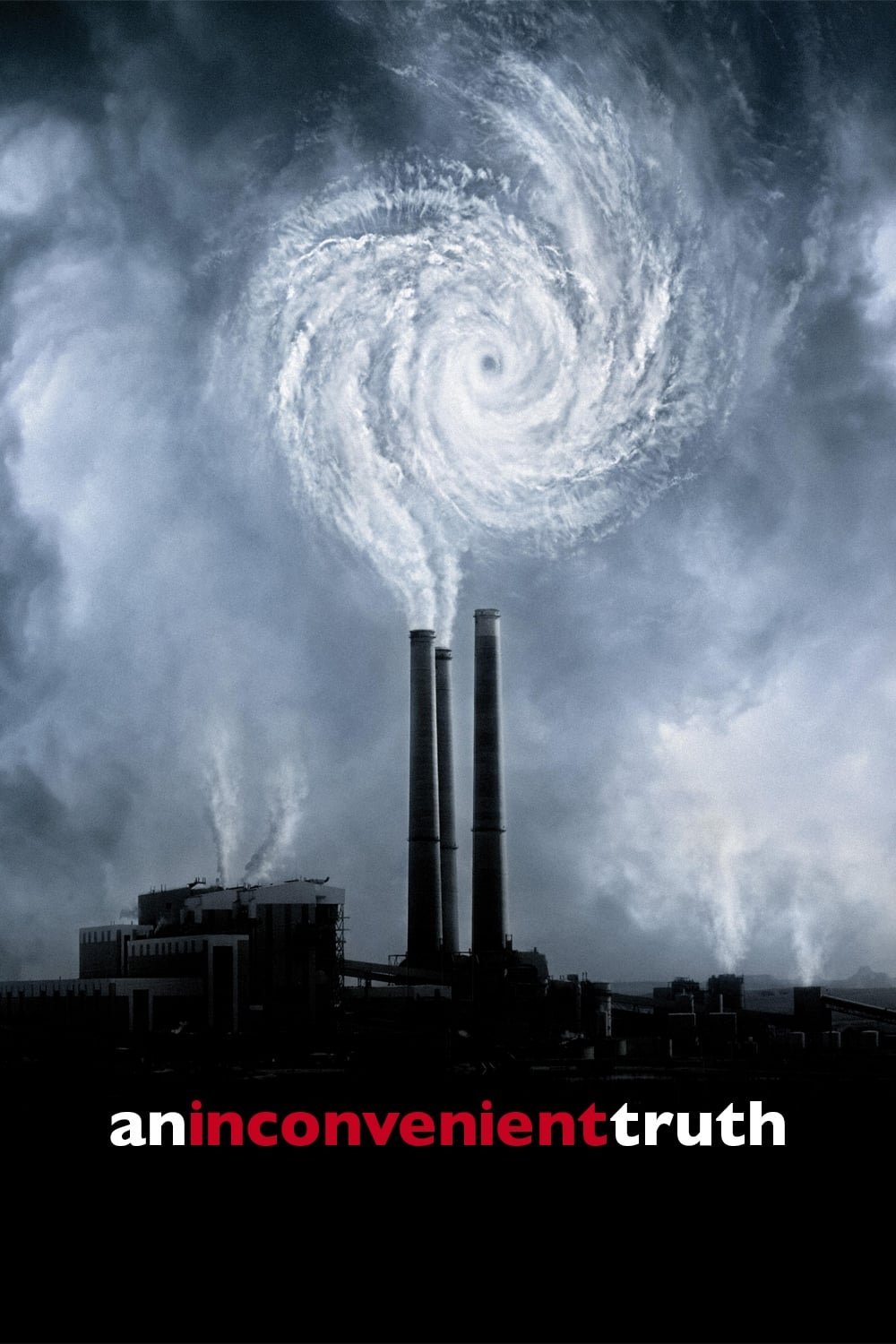
Al Gore’s presentation, which used data and scientific findings to explain global warming and climate change, significantly increased worldwide understanding of the issue. The film sparked renewed energy in the environmental movement and is widely recognized for shaping public opinion and prompting governments to invest in clean energy. It brought climate change to the forefront of global conversations and influenced political decisions.
‘Titicut Follies’ (1967)
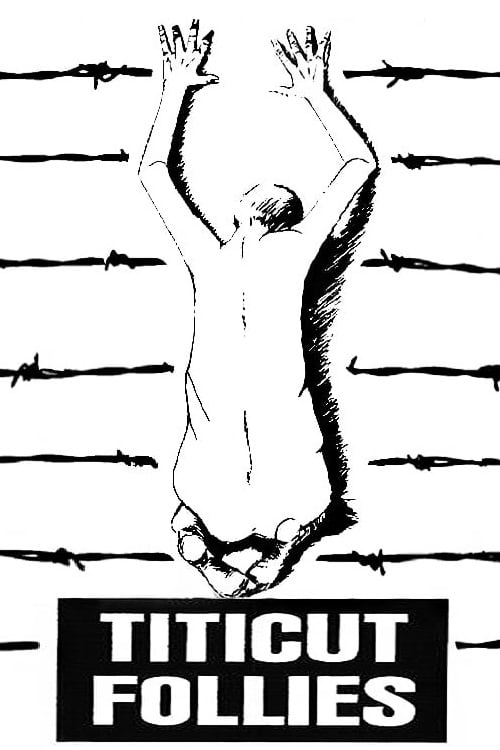
Frederick Wiseman’s documentary exposed the troubling conditions at the Bridgewater State Hospital for the criminally insane in Massachusetts, revealing mistreatment of patients and inadequate living spaces. Despite being banned by the state for many years, the film eventually led to the hospital’s closure and sparked important conversations about the need for better care and rights for those with mental illness.
‘Dear Zachary: A Letter to a Son About His Father’ (2008)
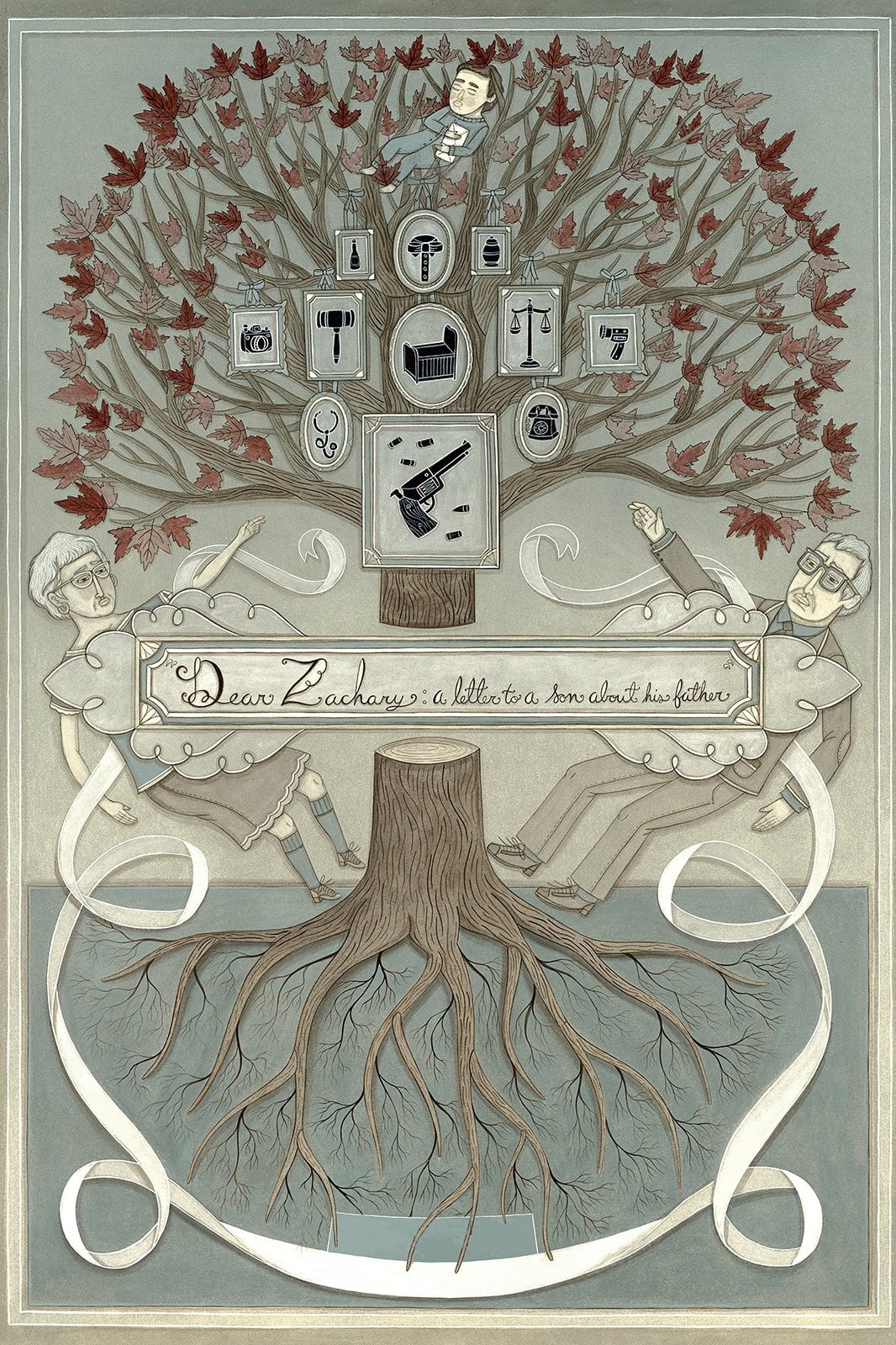
Kurt Kuenne made this film as a tribute to his friend, Andrew Bagby, for Bagby’s son, Zachary. The documentary highlighted serious flaws in Canada’s bail system, focusing on the case of Bagby’s accused murderer, who was released on bail. The film sparked public anger and directly led to the creation of Bill C-464, a law that changed the Criminal Code to make it more difficult for people accused of serious crimes to be granted bail.
‘The Hunting Ground’ (2015)
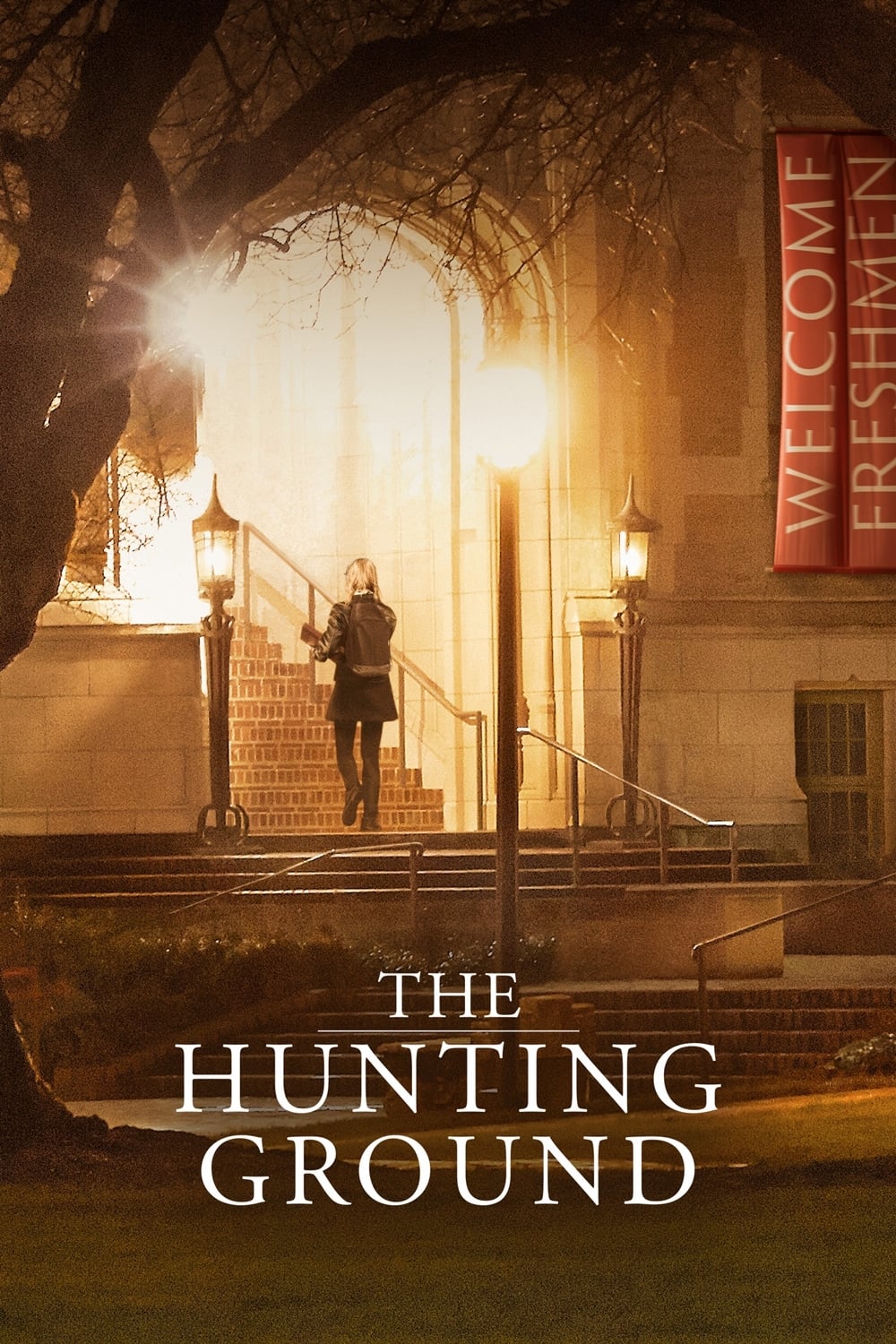
This documentary explored the widespread problem of sexual assault at colleges across the United States, and how schools often failed to adequately respond. It shared the stories of survivors who struggled to report assaults and faced obstacles from their institutions. Following the film’s release, several states enacted laws demanding greater transparency in how colleges track and report sexual assault data. As a result, universities across the country began to revise their policies and improve support services for students, particularly regarding Title IX.
‘A Girl in the River: The Price of Forgiveness’ (2015)
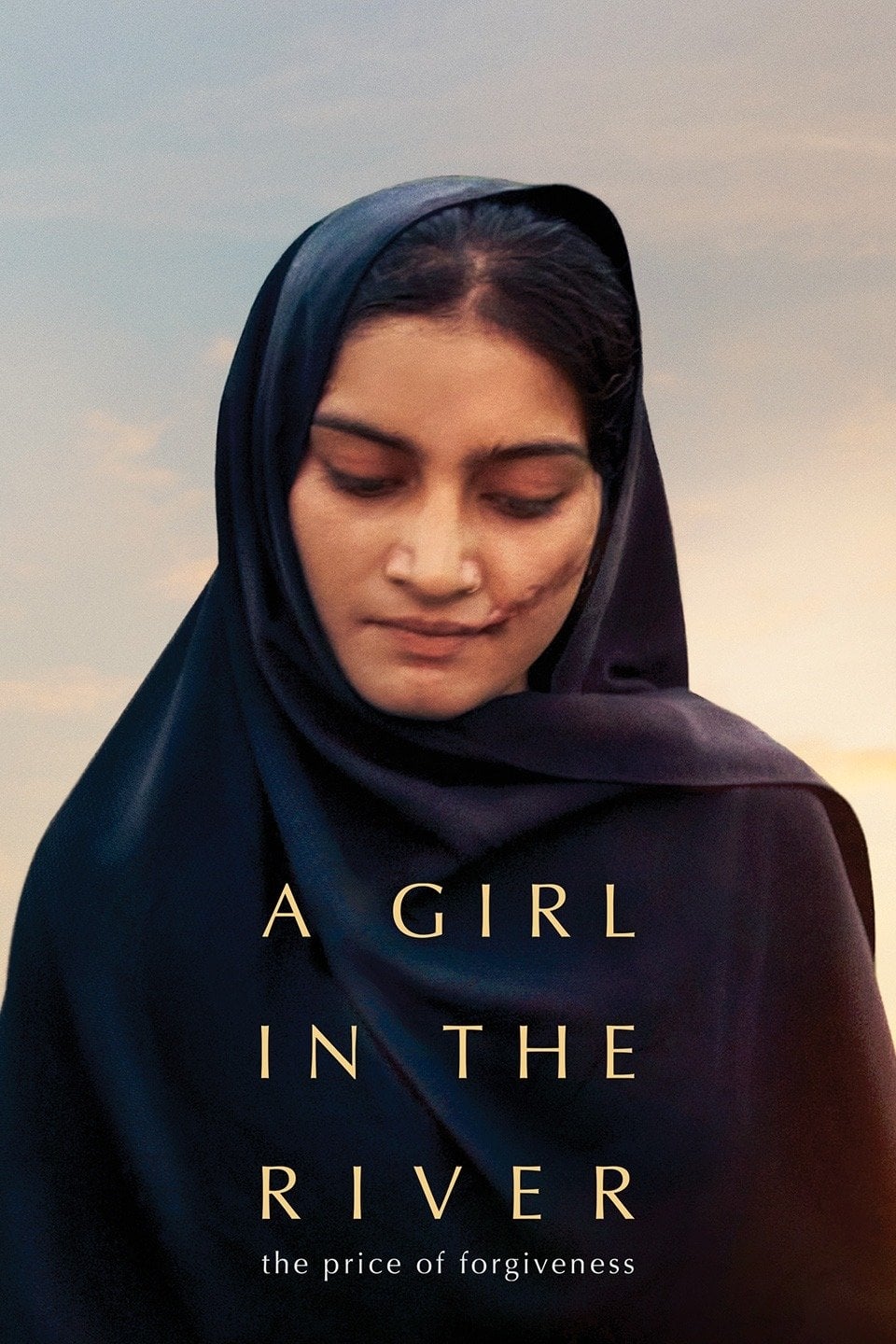
As a film lover, I was deeply moved by Sharmeen Obaid-Chinoy’s documentary. It followed the incredible story of a young Pakistani woman who amazingly survived an attempted honor killing. What really struck me was how the film exposed a flaw in the legal system – killers could go free if the victim’s family forgave them. It was powerful enough to get Prime Minister Nawaz Sharif to promise changes, and thankfully, Pakistan actually did pass new laws! Now, honor killings result in mandatory prison sentences, even if the family chooses to forgive the perpetrator. It’s a testament to the impact a film can have.
‘Gasland’ (2010)
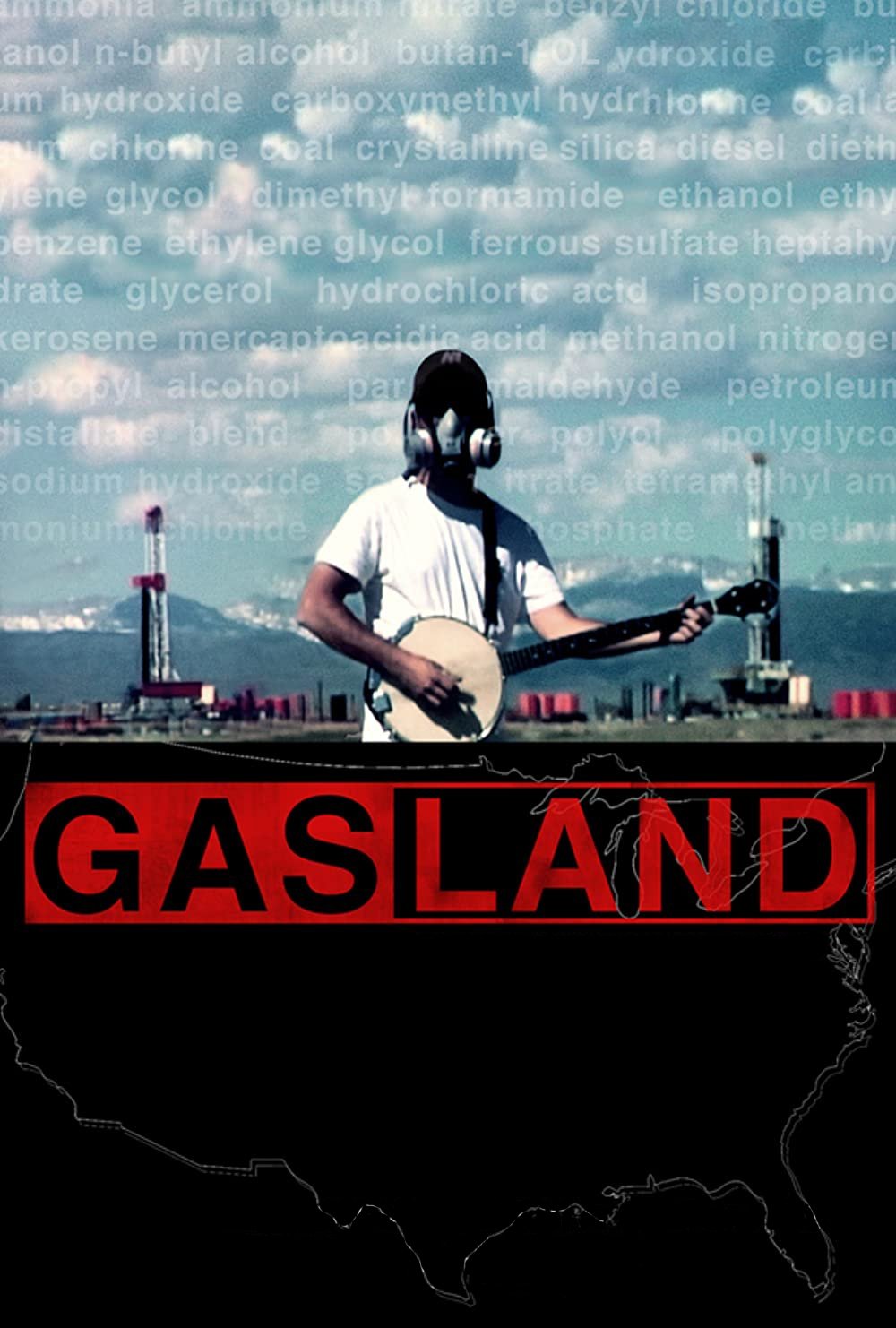
Josh Fox’s journey across the U.S. revealed the environmental and health problems caused by fracking. He showed how drilling could contaminate drinking water, with residents able to light their tap water due to methane. The film became a key force in the growing opposition to fracking, leading some states, like New York, to temporarily or permanently ban it. It also brought the risks of natural gas drilling to the attention of a wider audience.
‘Virunga’ (2014)
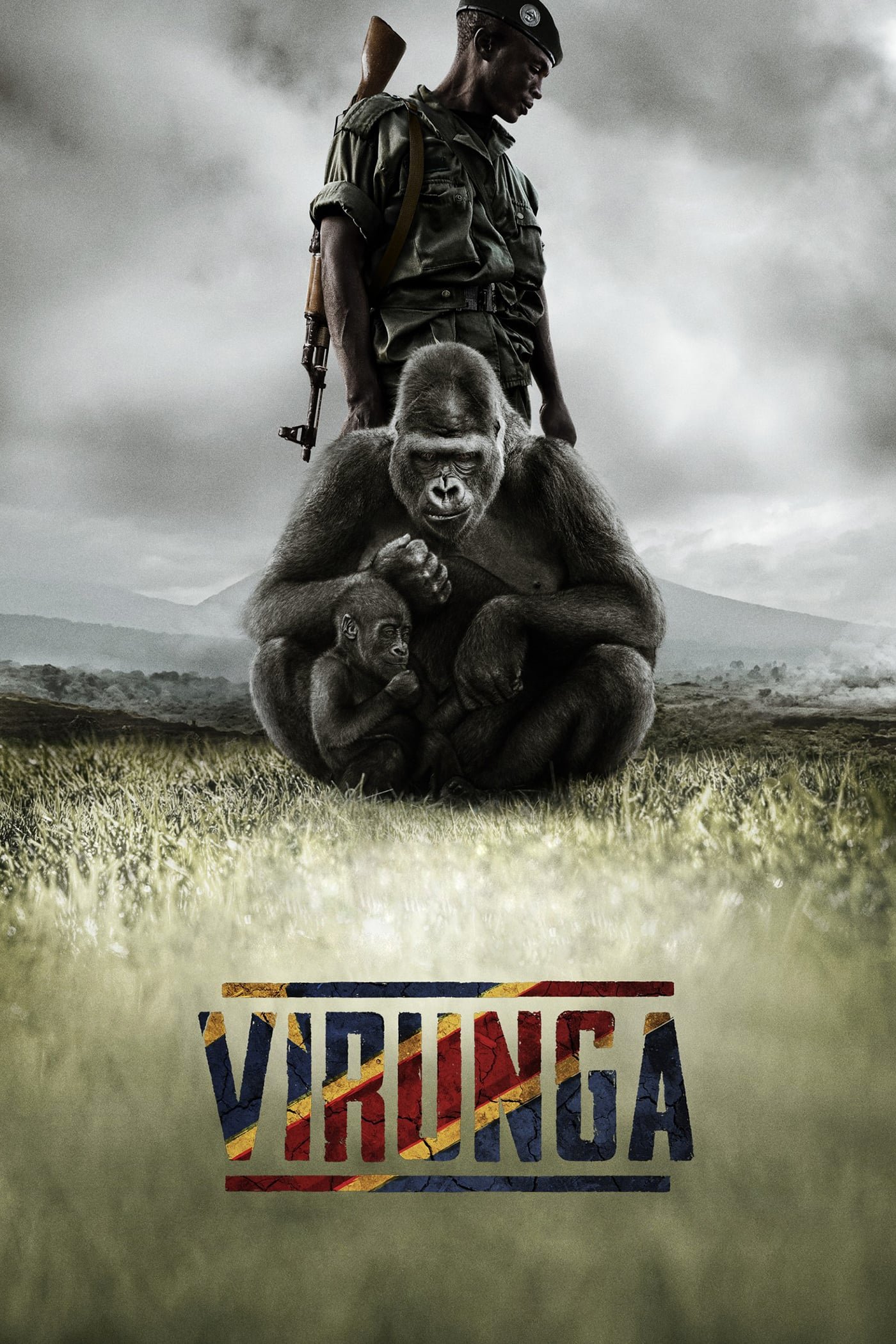
Orlando von Einsiedel’s film highlighted the challenges of safeguarding Virunga National Park in the Congo from threats like oil drilling and illegal poaching. The documentary revealed how the British company Soco International was operating within the park, a protected World Heritage site. Public outcry following the film’s release led Soco International to stop its oil exploration efforts there. The film underscored the complex relationship between protecting wildlife, corporate ethics, and the dangers of conflict.
‘The Bleeding Edge’ (2018)
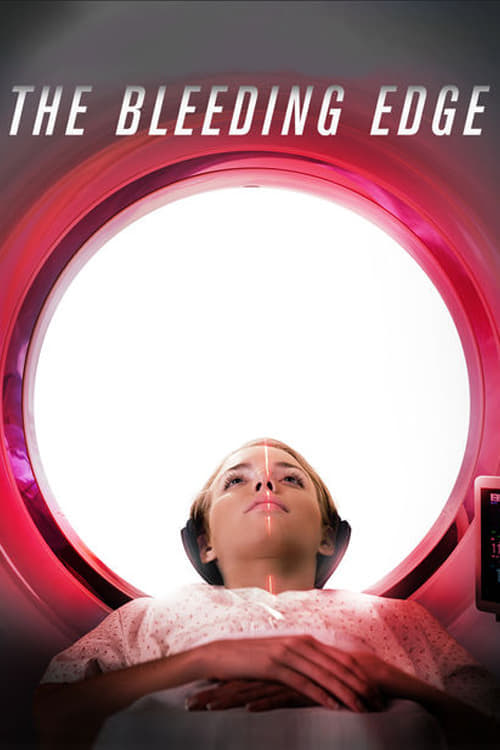
Filmmakers Kirby Dick and Amy Ziering explored issues within the medical device industry, particularly the insufficient regulation of potentially dangerous implants. Their documentary focused on the many complications experienced by women with the Essure permanent birth control device. Shortly before the film’s release, Bayer announced it would discontinue sales of Essure in the U.S. The project underscored the critical need for better safety checks and increased monitoring of new medical technologies.
‘Surviving R. Kelly’ (2019)
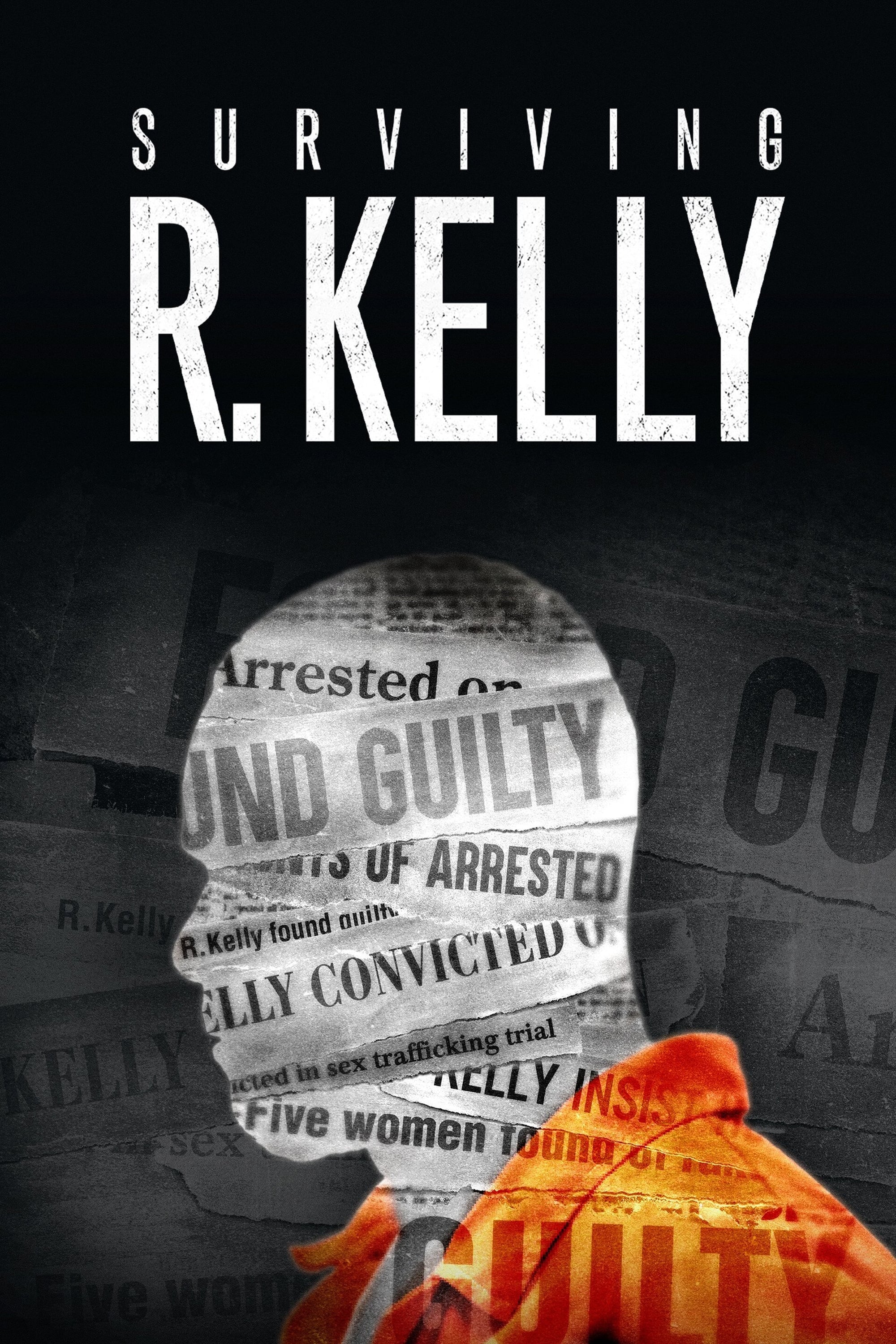
This documentary series exposed decades of accusations of sexual abuse against R&B singer R. Kelly. After it aired, police began reinvestigating the claims and more survivors came forward with details. As a result, Kelly was dropped by his record label and faced new criminal charges at both the state and federal levels. The series powerfully showed how media coverage can revive stalled investigations and bring accountability to influential people.
‘Who Killed Malcolm X?’ (2019)
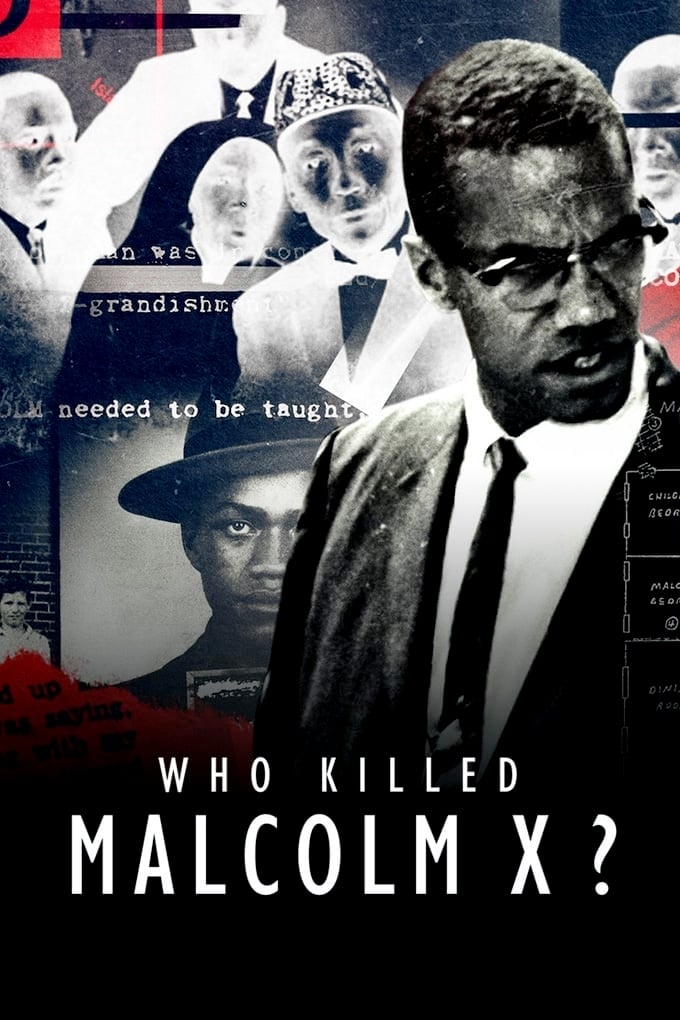
For decades, Abdur-Rahman Muhammad researched the assassination of Malcolm X. His work uncovered doubts about the evidence that led to the convictions of two men involved. After the documentary highlighting these issues, the Manhattan District Attorney reopened the case. This review ultimately resulted in the release of Muhammad A. Aziz and Khalil Islam, who had been wrongly convicted decades earlier.
Tell us which documentary you think had the biggest impact on society in the comments.
Read More
- Invincible Season 4 Gender Swaps Tech Jacket As Fans Question Major Comic Change
- Silver Rate Forecast
- Gold Rate Forecast
- 22 Films Where the White Protagonist Is Canonically the Sidekick to a Black Lead
- 15 Films That Were Shot Entirely on Phones
- Building Agents That Learn and Improve Themselves
- 20 Movies Where the Black Villain Was Secretly the Most Popular Character
- Celebs Who Narrowly Escaped The 9/11 Attacks
- Trading Crypto with AI: A New Approach to Portfolio Management
- 18 TV Series Filming Rehearsals as Bonus Content
2025-11-27 02:47