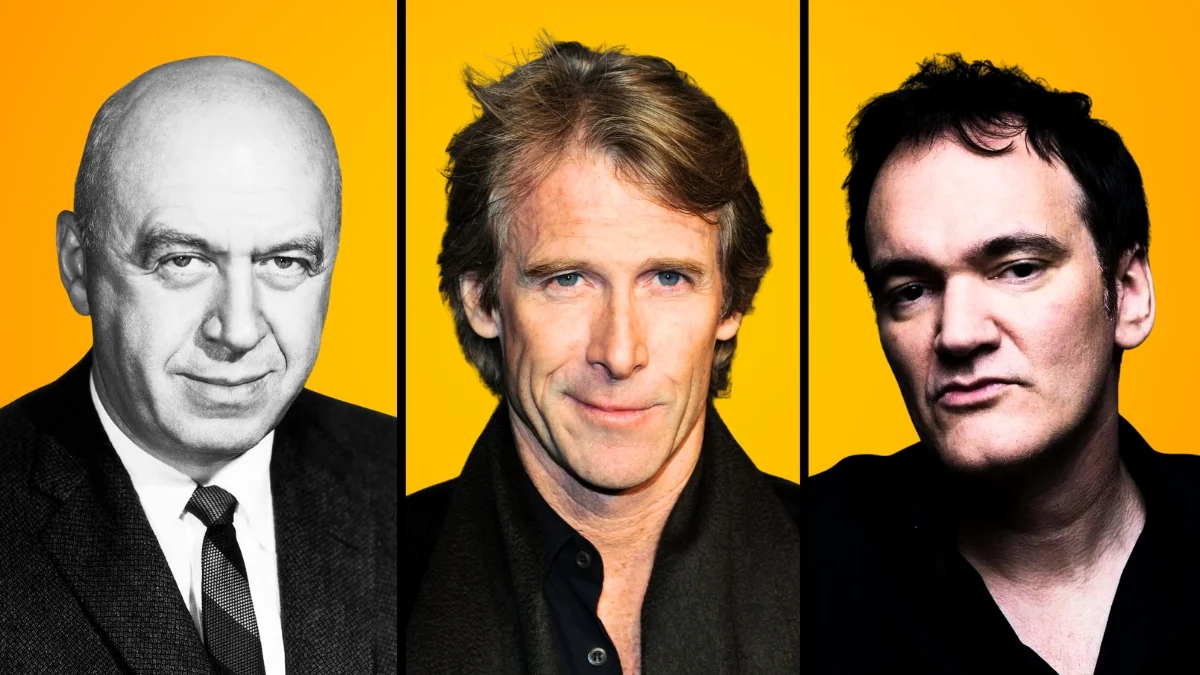
A strong working relationship between a director and actor is usually essential for a film’s success, needing both a shared creative vision and respect. But the intense stress of filmmaking can sometimes cause lasting damage, even after a project is finished. Disagreements, unprofessional behavior, or differing beliefs have occasionally led directors to stop working with certain actors altogether. These unofficial ‘blacklists’ reveal the complex power struggles that often happen behind the scenes in Hollywood.
Alfred Hitchcock
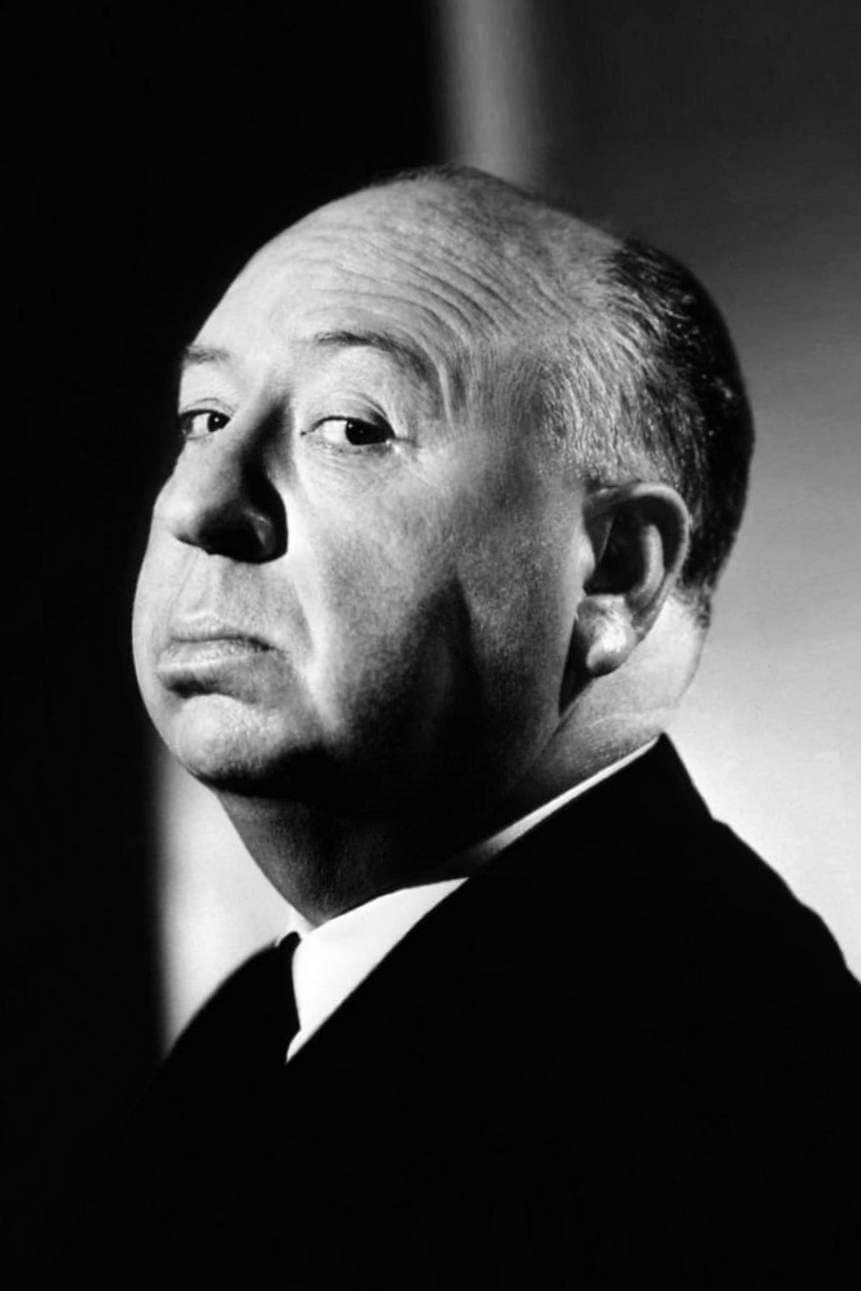
Alfred Hitchcock, the famous director, severely damaged Tippi Hedren’s career after she appeared in his films ‘The Birds’ and ‘Marnie.’ When Hedren turned down his romantic advances, Hitchcock essentially prevented her from working with other filmmakers, even though she was under contract with him. This stopped her career at its highest point, as he allegedly told other studios she wasn’t available. Their professional relationship never recovered, and it remains a well-known example of a director using their power to harm an actor’s career after a personal rejection.
Michael Bay
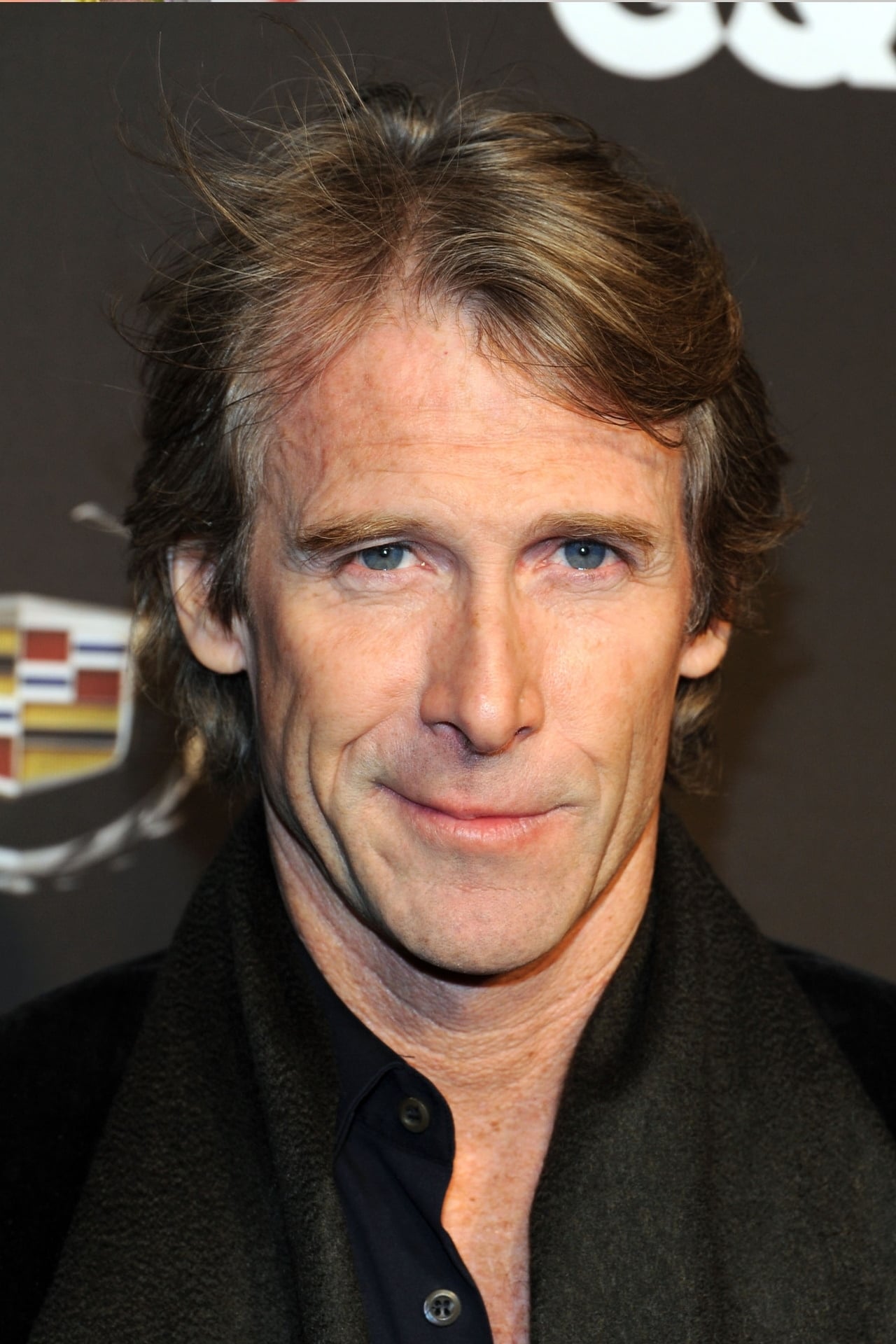
Megan Fox lost her role in the ‘Transformers’ movies after making controversial comparisons between director Michael Bay and historical figures like Napoleon and Adolf Hitler in an interview. According to reports, executive producer Steven Spielberg told Bay to fire her from the third film, and she was replaced by Rosie Huntington-Whiteley in ‘Transformers: Dark of the Moon’. Though Fox and Bay later worked together again on ‘Teenage Mutant Ninja Turtles’, the public dispute had a major impact on her career at the time.
David O. Russell
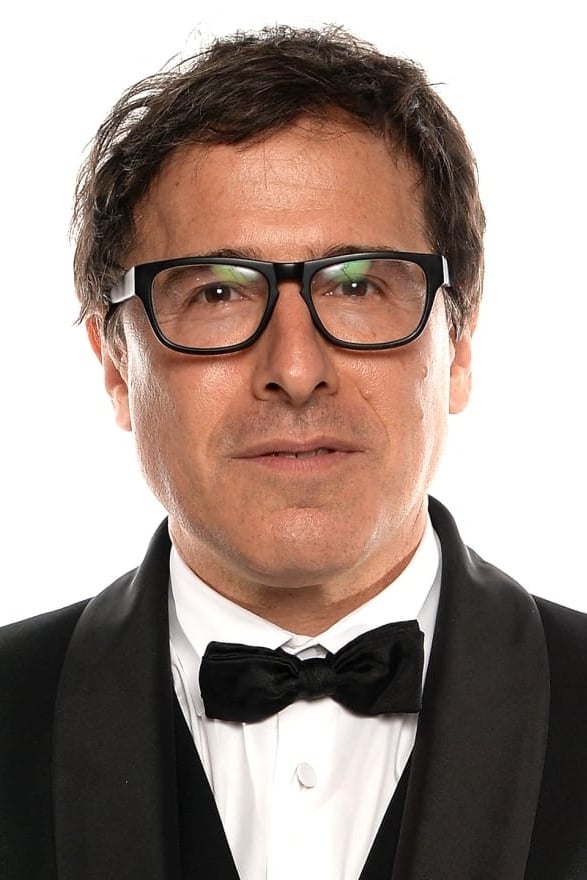
George Clooney has publicly stated he won’t work with David O. Russell again after a difficult time filming ‘Three Kings’. Reportedly, Clooney challenged Russell about how he was treating the crew, which resulted in a physical fight. Clooney has said the experience was the worst of his career and promised to avoid future collaborations with Russell. Even though Russell has gone on to direct successful films, the conflict between the two remains unresolved.
Lars von Trier
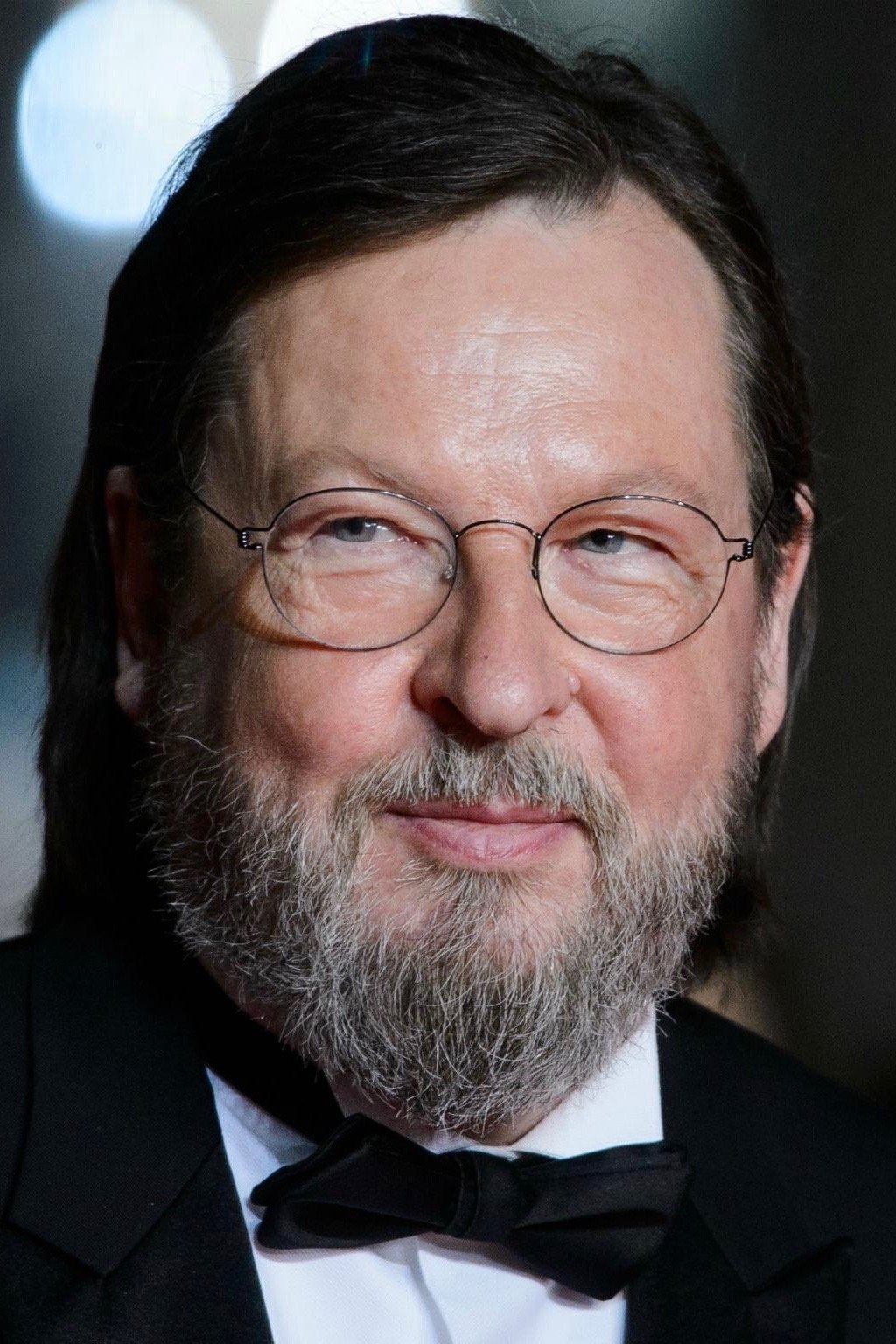
Making the film ‘Dancer in the Dark’ was famously challenging because of a difficult relationship between director Lars von Trier and singer Björk. Björk said the director’s demanding behavior on set was deeply upsetting, and she stopped acting in movies for a long time because of it. Von Trier, for his part, was frustrated with Björk’s approach to work and they often disagreed about how the film should be made. They haven’t worked together since, and the conflict showed how intense and unpredictable von Trier’s filmmaking process could be.
Kevin Smith
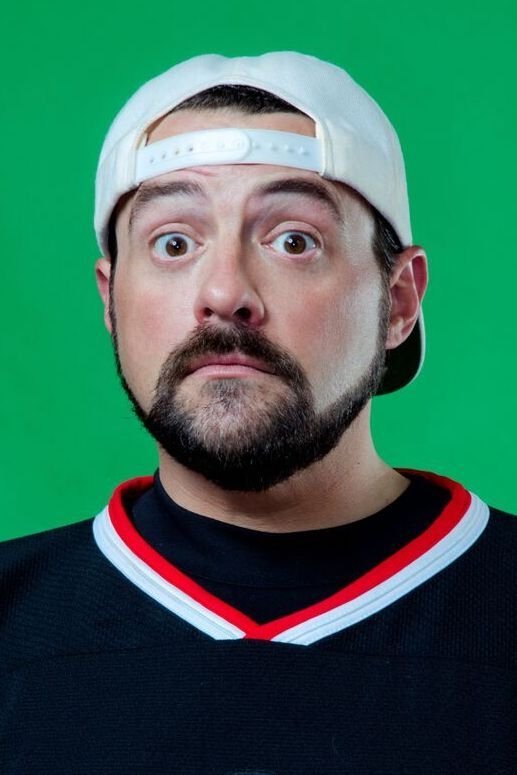
During the filming of the 2010 comedy ‘Cop Out’, director Kevin Smith and actor Bruce Willis had a major disagreement. Smith later said the experience was deeply upsetting, claiming Willis was challenging to work with and didn’t cooperate with the film’s requirements. At the wrap party, Smith notably thanked everyone involved except Willis for their efforts. As a result, Smith publicly announced he would never work with Willis again, explaining they simply didn’t work well together professionally.
Terrence Malick
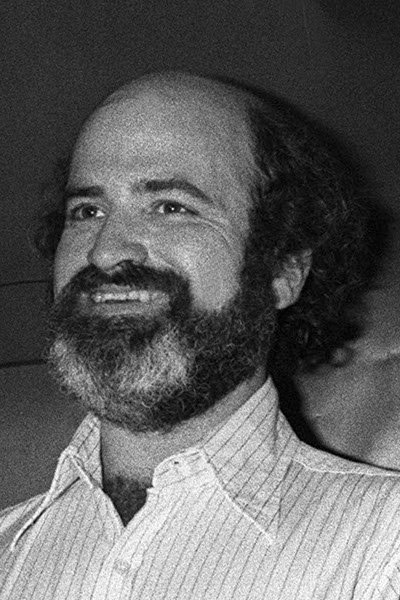
Adrien Brody was surprised and upset at the premiere of ‘The Thin Red Line’ to find his substantial role had been cut down to just a few minutes. Director Terrence Malick had completely reshaped the film during editing, minimizing Brody’s part and focusing on other characters – all without telling him. Brody felt let down by the lack of communication about such a significant change to his performance. Malick is known for making big changes in post-production, which has caused similar issues with other actors who felt their work was ultimately disregarded for the director’s own artistic vision.
Roman Polanski
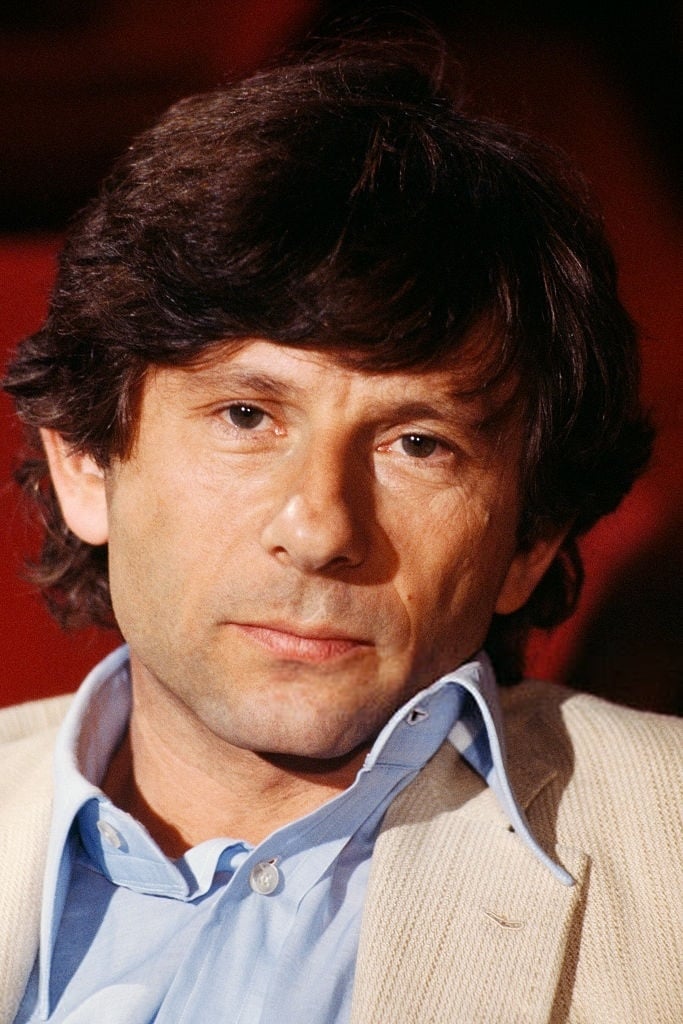
Filming the movie ‘Chinatown’ was difficult due to frequent disagreements between director Roman Polanski and actress Faye Dunaway. The conflict escalated during one scene when Polanski unexpectedly pulled a stray hair from Dunaway’s head because it was reflecting light. Dunaway was deeply offended by this lack of respect, and they reportedly had a heated argument that stopped filming for the rest of the day. They never collaborated again, and both have consistently avoided discussing how much they disliked each other.
Tony Kaye
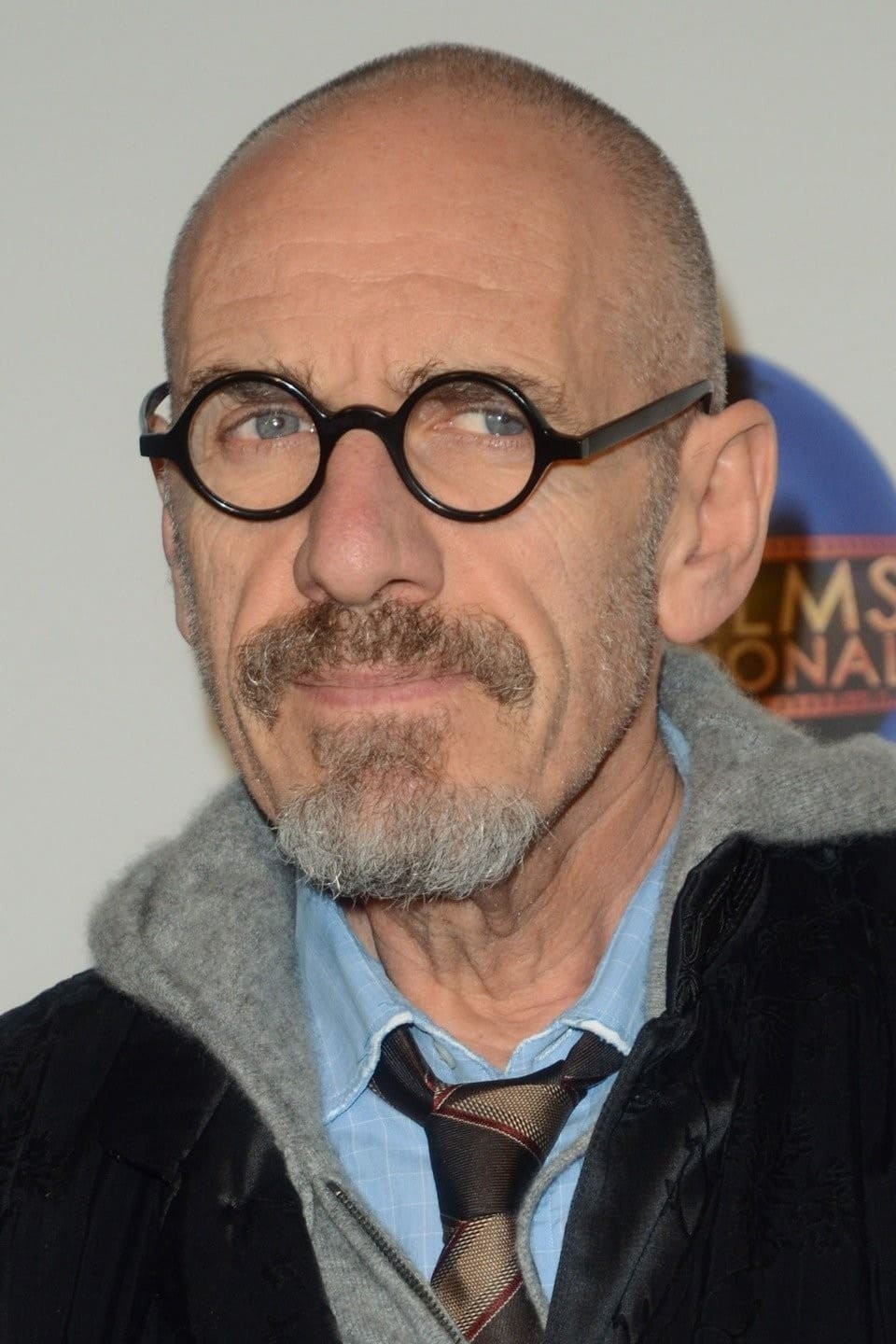
The making of ‘American History X’ was marked by a major conflict between director Tony Kaye and actor Edward Norton. Kaye was deeply upset when the studio, New Line Cinema, let Norton create his own version of the film, differing from Kaye’s original cut. Kaye responded by spending a significant amount of money on ads in industry publications criticizing Norton and the studio. He even asked to have his name removed from the film’s credits, and the two have not worked together since.
Judd Apatow
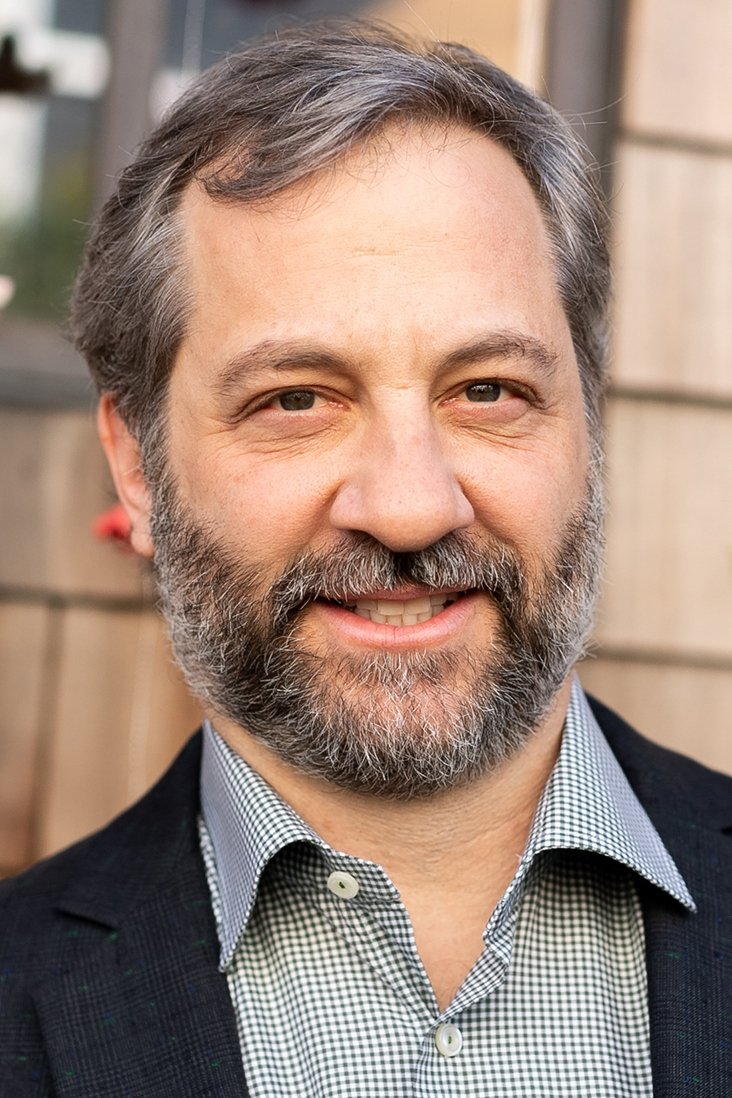
Katherine Heigl experienced a career downturn after speaking out against the film ‘Knocked Up’ in an interview with Vanity Fair, calling it sexist. Director Judd Apatow and co-star Seth Rogen were surprised and hurt by her public criticism, particularly because the movie had been so successful and well-received. Although Apatow eventually said he wasn’t holding a grudge, Heigl found herself increasingly excluded from future projects with him and his usual group of collaborators in the comedy world.
Otto Preminger
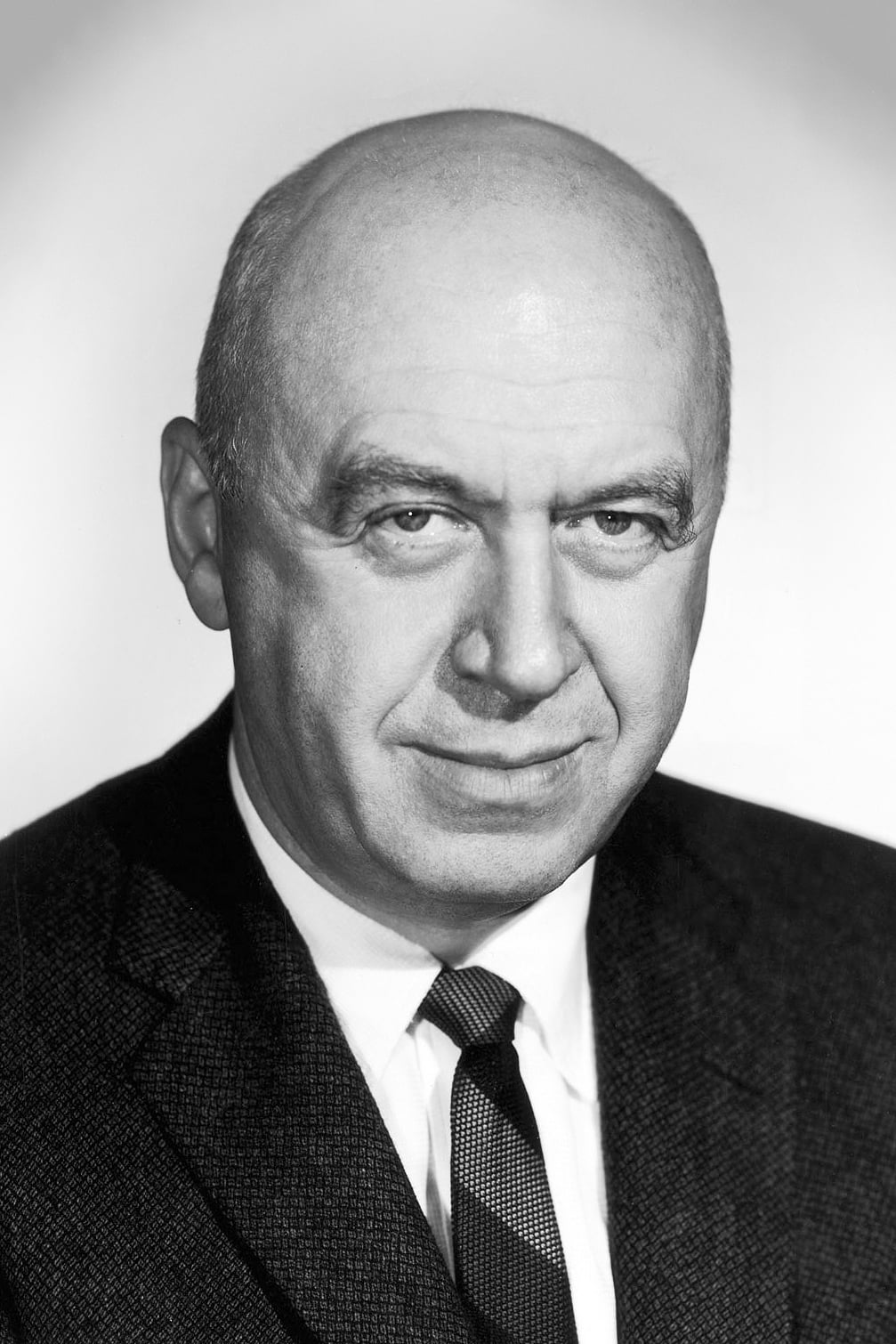
Otto Preminger was a demanding and often cruel director, and he was particularly hard on Jean Seberg during the filming of ‘Saint Joan.’ He reportedly used harsh words and put a lot of psychological pressure on the young, inexperienced actress to get the performance he wanted. This experience deeply upset Seberg, and many believe it negatively impacted both her career and her mental health. Preminger’s reputation for being difficult to work with caused many actors to avoid his films, effectively leading to unofficial bans from working with him.
John Ford
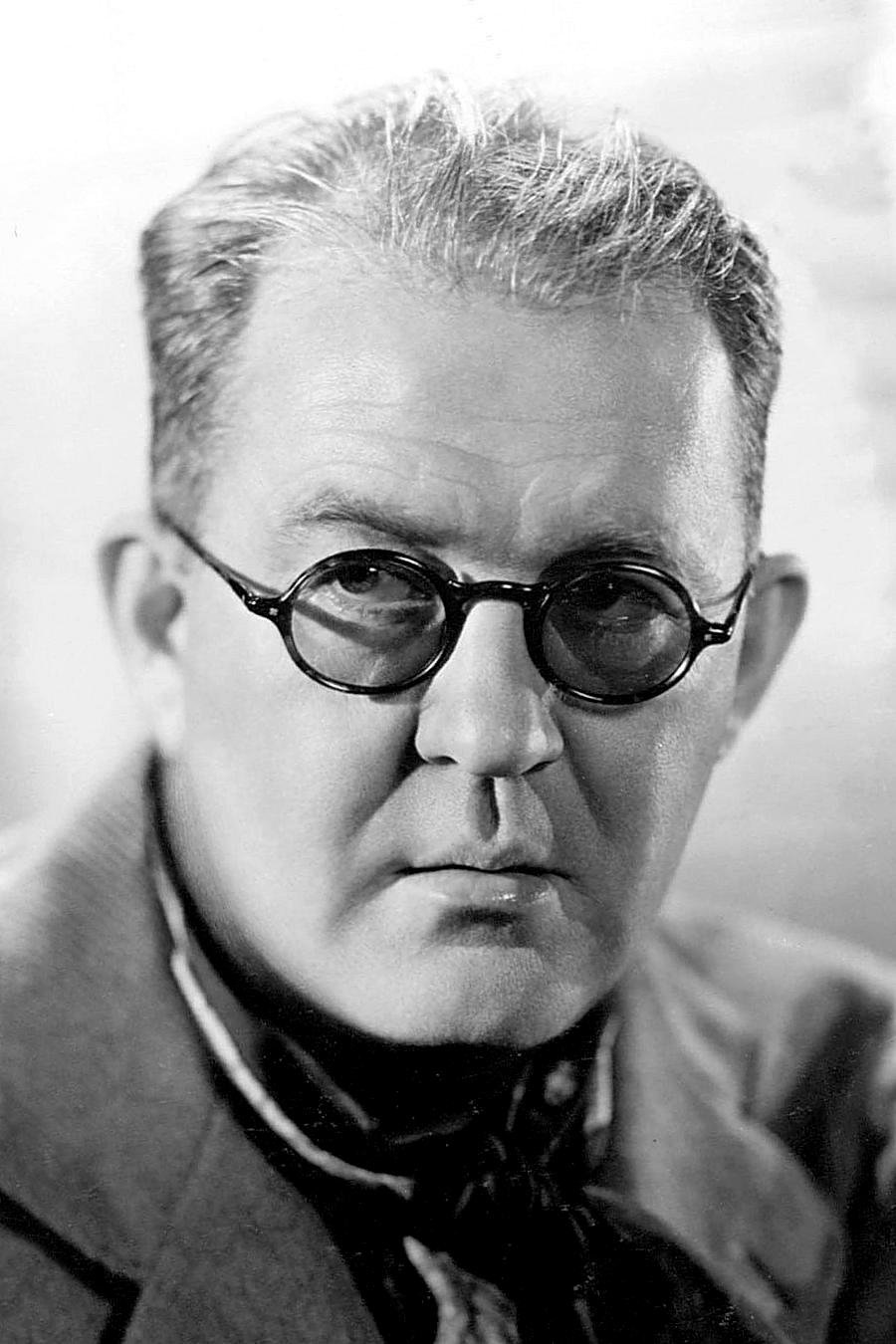
The decades-long working relationship between director John Ford and actor Henry Fonda abruptly ended on the set of ‘Mister Roberts’. Accounts say Ford struck Fonda during a fierce argument about the film’s direction, in full view of everyone. Fonda was deeply upset by the attack and felt disrespected by a friend he’d worked with for years. This incident marked the end of their collaboration, bringing a close to one of Hollywood’s most successful director-actor pairings.
Werner Herzog
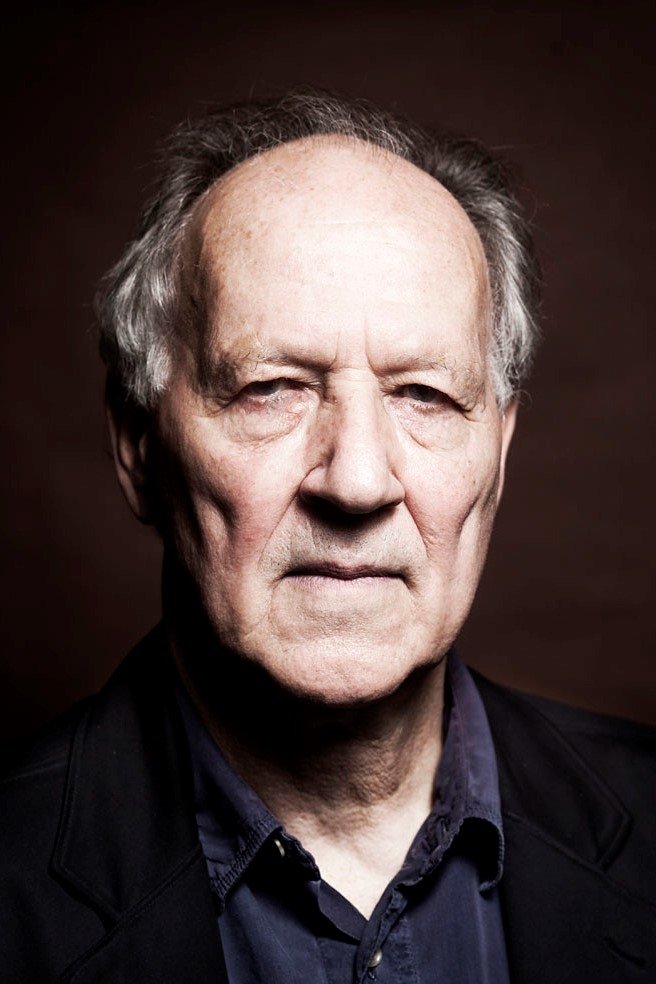
Werner Herzog and Klaus Kinski were known for their incredibly turbulent and often threatening working relationship. Despite collaborating on five films – including classics like ‘Aguirre, the Wrath of God’ and ‘Fitzcarraldo’ – their film sets were filled with conflict and intense personality clashes. Herzog has admitted to threatening Kinski during the making of ‘Aguirre’ to prevent him from quitting, and Kinski was often prone to angry, violent behavior towards the film crew. After Kinski’s death, Herzog made a documentary exploring their complicated and risky creative collaboration.
William Friedkin
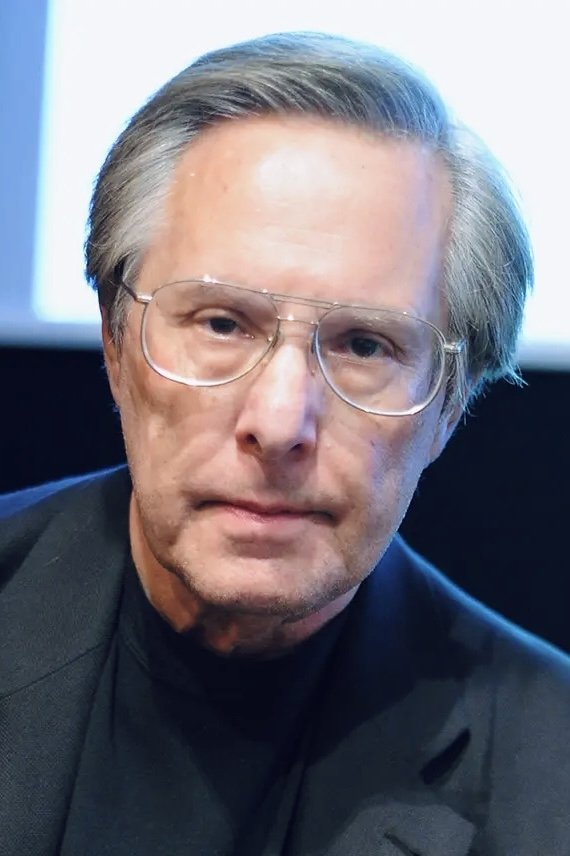
During the making of ‘The Guardian,’ director William Friedkin and actress Kim Basinger clashed over her performance and how she was portraying the character, ultimately leading to her leaving the film. Friedkin is known for being a demanding director, and this situation with Basinger reinforced his reputation for not easily accepting differing creative opinions from actors during filming. He’s had similar issues with other well-known performers throughout his career.
Paul Schrader
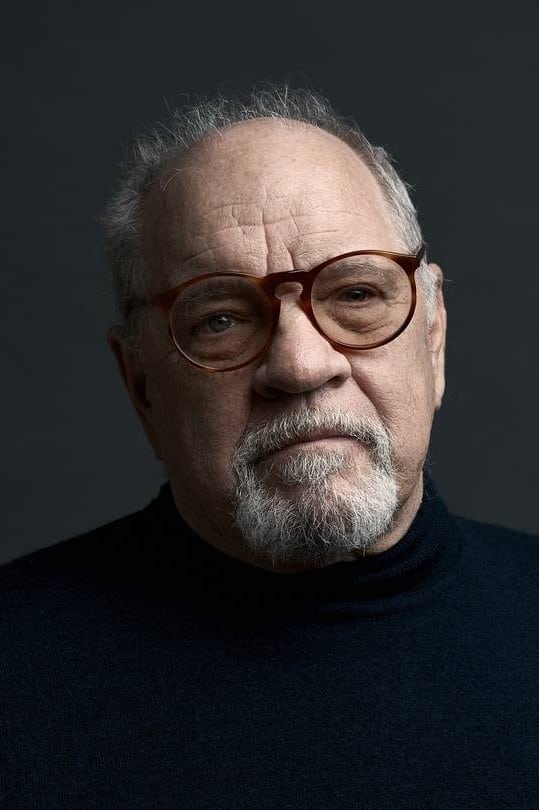
While directing ‘The Canyons’, Paul Schrader experienced a lot of difficulties with Lindsay Lohan’s behavior on set. He recorded how she often arrived late and caused major delays, which increased the film’s costs. Schrader openly shared his frustration, explaining that her personal problems and lack of concentration made working with her incredibly stressful. As a result, he decided not to work with her on any future projects.
Quentin Tarantino
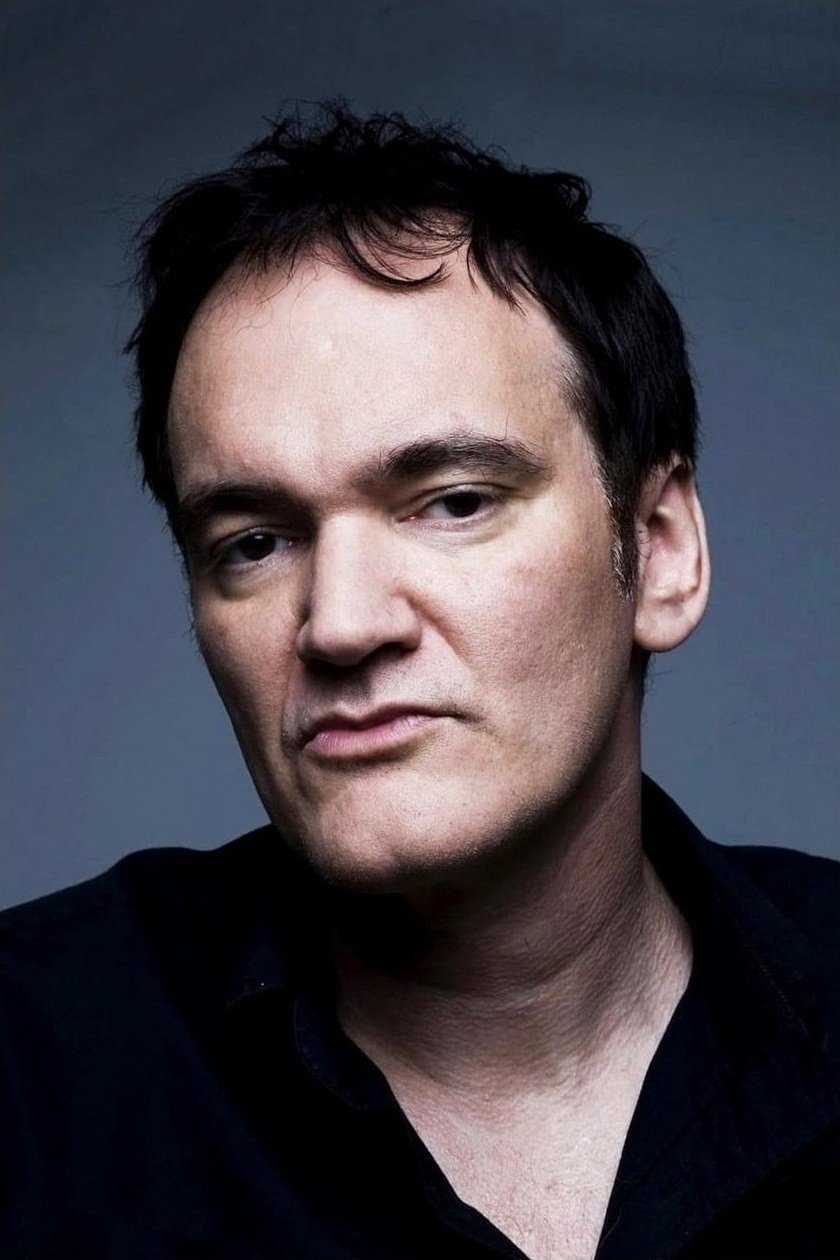
While filming ‘Reservoir Dogs’, actor Lawrence Tierney caused a lot of problems for director Quentin Tarantino. Tarantino has described Tierney as physically intimidating and often getting into arguments with people on set. Their disagreements eventually escalated into a physical fight. Tarantino later said working with Tierney was deeply unpleasant and that he would never work with him again.
Let us know what you think about these well-known Hollywood rivalries and who you believe was justified in their actions by leaving a comment below.
Read More
- 20 Movies Where the Black Villain Was Secretly the Most Popular Character
- Celebs Who Narrowly Escaped The 9/11 Attacks
- Transformers Under the Microscope: What Graph Neural Networks Reveal
- Top 20 Dinosaur Movies, Ranked
- Trading on Thin Air: AI Agents Conquer Crypto Volatility
- Silver Rate Forecast
- Gold Rate Forecast
- Every Notable ‘Star Trek: The Original Series’ Actor Who Died
- 22 Films Where the White Protagonist Is Canonically the Sidekick to a Black Lead
- Invincible Season 4 Gender Swaps Tech Jacket As Fans Question Major Comic Change
2026-01-09 19:46