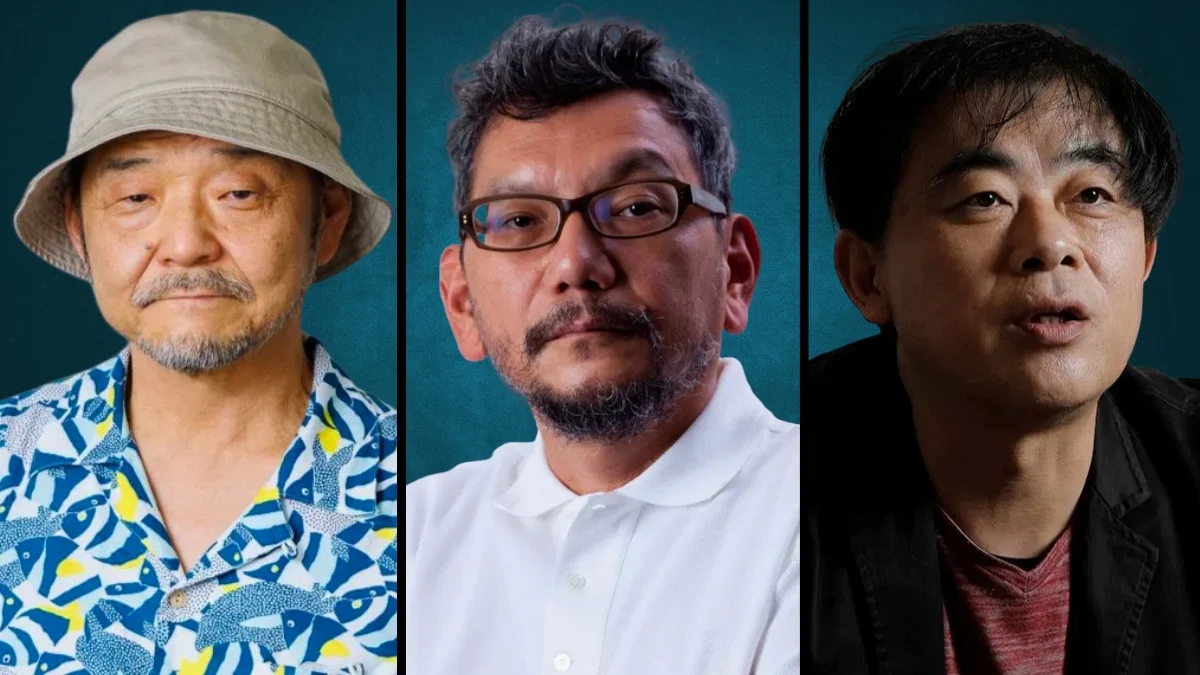
Japanese animation is famous for its beautiful visuals and demanding production process. Many acclaimed anime are created by directors with strong artistic visions, but achieving those visions often requires immense effort from their teams. These directors are known for being perfectionists, telling intricate stories, or using unique, challenging techniques. While the final results are often groundbreaking, the animators who create them frequently face a very tough and stressful work environment.
Hayao Miyazaki
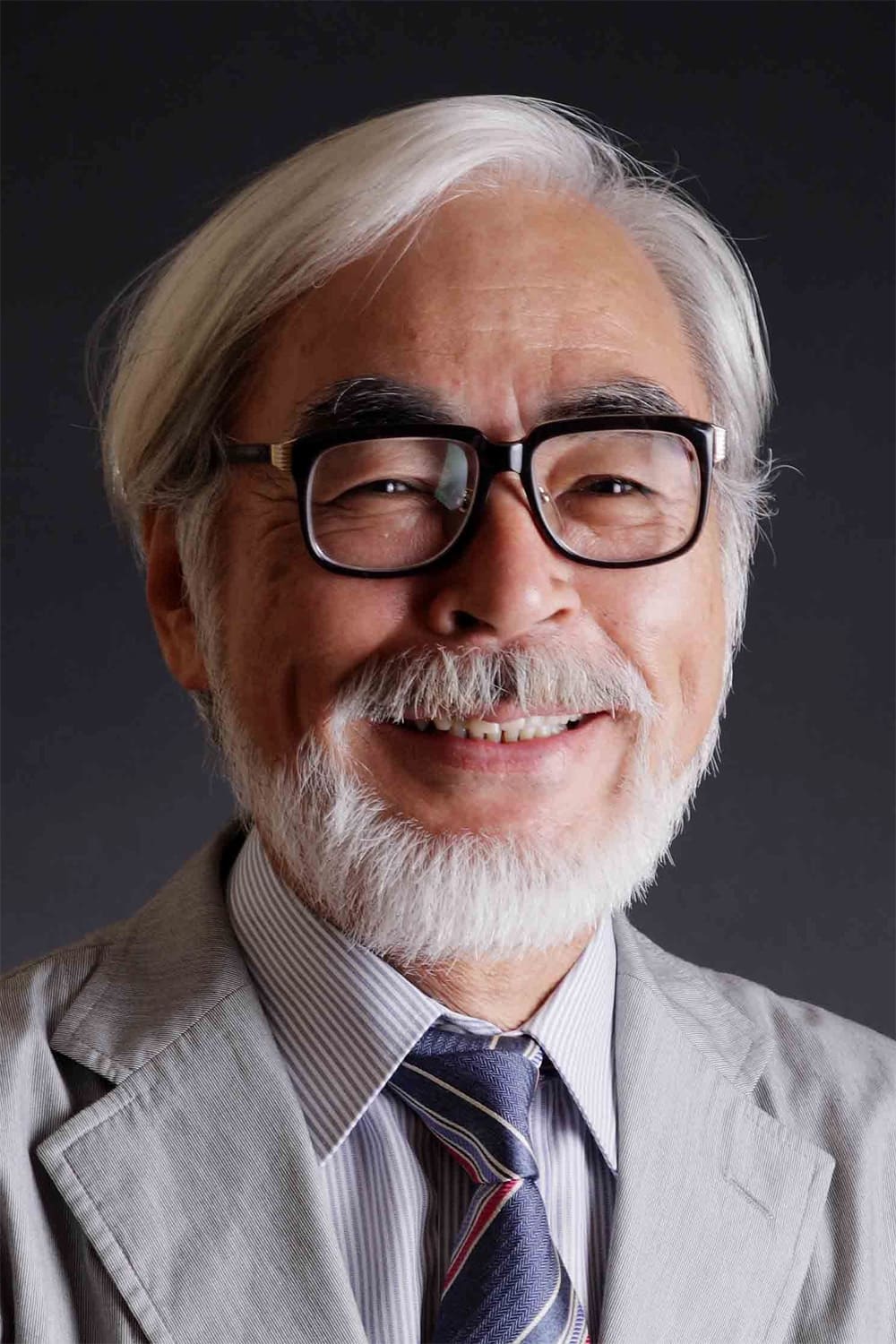
Hayao Miyazaki is well-known for being a very hands-on and demanding director at Studio Ghibli. He often personally checks and corrects key parts of the animation, expecting his team to follow his distinct artistic style closely. This dedication to detail, while resulting in beautiful films, has made it difficult for others to step up as future leaders and has created a reputation for a challenging work environment. For example, during the making of ‘Princess Mononoke,’ he pushed for traditional hand-drawn animation even when it was physically exhausting for both himself and his staff. While his perfectionism guarantees high quality, it doesn’t leave much room for others to contribute their own creative ideas.
Hideaki Anno
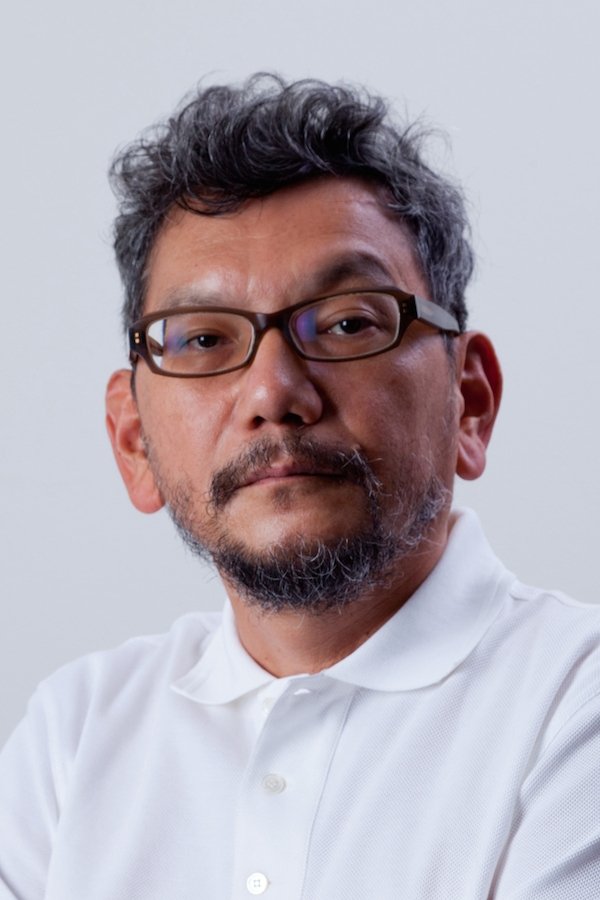
Hideaki Anno is known for a demanding and often turbulent production style that can be hard on those who work with him. While making ‘Neon Genesis Evangelion’ in the mid-90s, he famously changed scripts very late in the process, putting immense pressure on the animators to adjust to new storylines. His thoughtful and unconventional methods require animators to visually represent complicated emotions and ideas, which is technically difficult. Documentaries about the recent film ‘Evangelion: 3.0+1.0 Thrice Upon a Time’ show him often discarding completed animation to begin again, driven by a desire to achieve a specific emotional impact. This dedication frequently leads to delays and significant stress for the entire studio.
Yoshiyuki Tomino
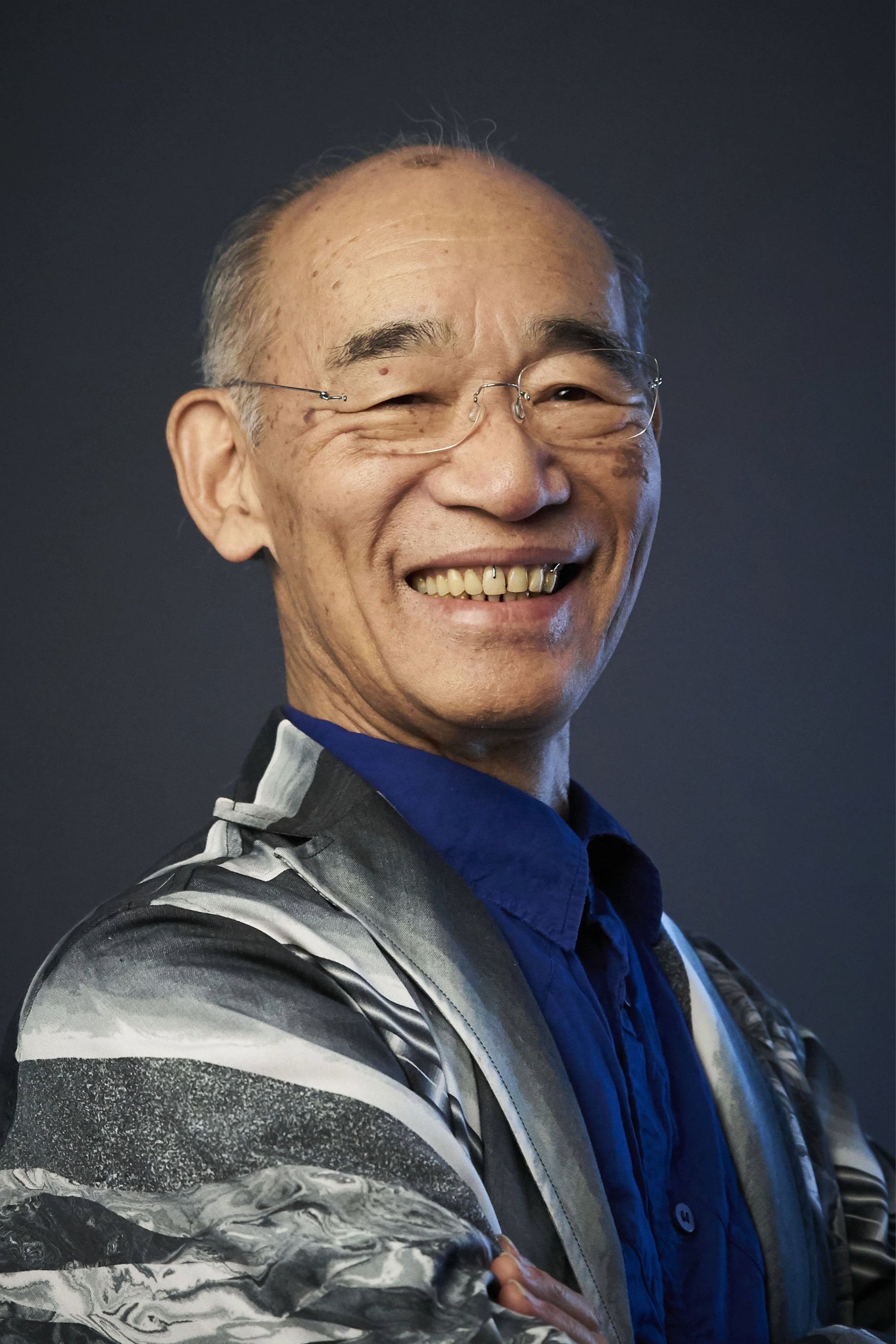
Yoshiyuki Tomino, the creator of the original ‘Mobile Suit Gundam’ (1979–1980), gained the nickname “Kill ’em All” because he frequently killed off important characters and was known for his strong personality. He’s famous for being direct and critical with his team, especially if the animation didn’t match his vision for realistic robots and emotionally impactful scenes. Working with him was demanding, as he expected his staff to quickly implement his complex ideas and explore challenging social and political topics. While passionate about his work, this often created a tense atmosphere. Nevertheless, Tomino is a hugely influential figure who set a high bar for the “Real Robot” style of anime.
Isao Takahata
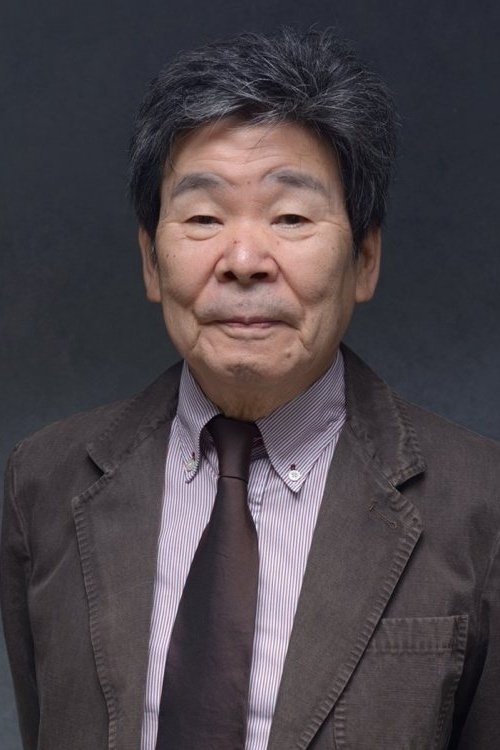
Isao Takahata was known for prioritizing artistic quality over sticking to production schedules. While most directors make compromises to finish on time, Takahata often delayed projects – sometimes for months or even years – to ensure the visuals perfectly matched his creative vision. For example, ‘The Tale of the Princess Kaguya’ (2013) took eight years to finish and went significantly over budget because of his meticulous standards. This put a lot of pressure on Studio Ghibli and the animators, who had to work hard for an extended, uncertain period. He favored time-consuming animation techniques, like a hand-drawn, sketch-like style, which demanded exceptional effort from his team.
Satoshi Kon
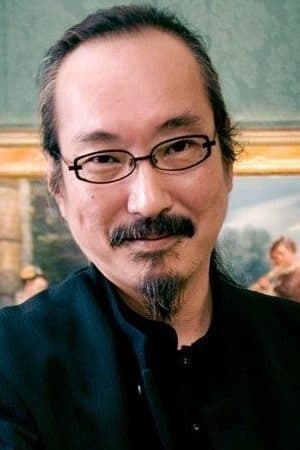
Satoshi Kon was famous for his incredible detail and clear vision, leaving little room for interpretation by his team. He created extremely detailed storyboards for films like ‘Perfect Blue’ (1997) and ‘Paprika’ (2006) which served as the ultimate guide for production. Animators working with him had to precisely copy his timing and how he used space, a challenging task considering his complex transitions. His films often blended reality and dreams, demanding a level of technical precision that was famously hard to achieve. While his team admired his talent, many later spoke of the mental strain caused by his incredibly high standards.
Mamoru Oshii
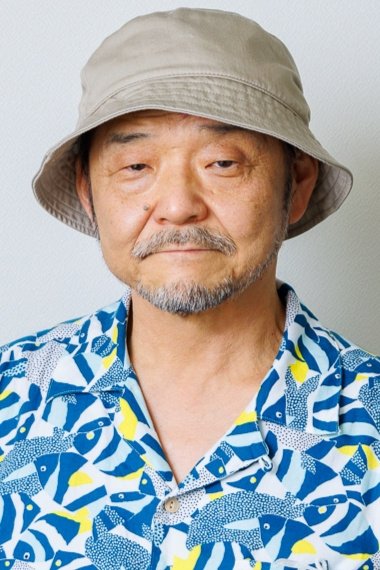
Mamoru Oshii is a director who focuses more on creating a thoughtful mood and exploring big ideas than on telling a fast-paced story. He’s known for pushing his team to learn complex technical skills. When making ‘Ghost in the Shell’ (1995), he insisted on blending hand-drawn animation with new digital techniques, which was incredibly challenging for the time. Oshii expects everyone on his team to fully understand the meaning and symbolism in every shot, and he’s known for being intellectually rigorous. His sets are calm and focused, but there’s a lot of pressure to achieve his signature style—characterized by stillness and incredibly detailed mechanical designs. This strong vision can sometimes be restrictive for animators who prefer a more collaborative process.
Katsuhiro Otomo
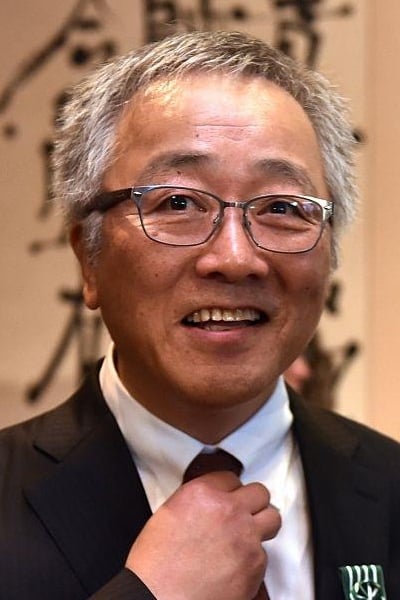
Katsuhiro Otomo’s ‘Akira’ (1988) revolutionized animation with its incredible detail. The film used over 160,000 hand-drawn frames and a wide range of colors, demanding constant work from the production team. Otomo, a manga artist by trade, had a keen eye for precision, often requesting re-animation of even small details. The project was massive and placed an enormous workload on his animators – a workload still considered one of the most demanding ever in the industry. While he successfully created a film with a cinematic quality, it came at the expense of a grueling production process.
Kunihiko Ikuhara
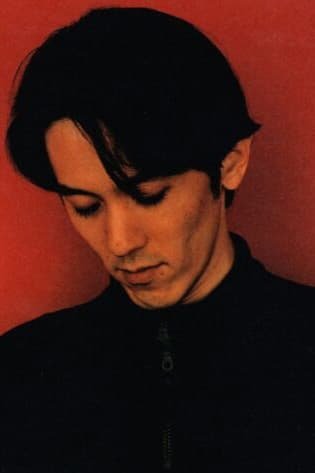
Kunihiko Ikuhara is a director famous for his unique and artistic style, showcased in shows like ‘Revolutionary Girl Utena’ (1997). He uses a lot of symbolism and repeating images in his work, and emphasizes a dramatic, stage-like presentation. He’s known for being meticulous about the pacing of scenes, often making small changes to timing that can be challenging for animators. His priority is artistic expression over straightforward storytelling, so he needs a team that can understand his often-unconventional directions and storyboards. Working with Ikuhara means entering a highly individual and imaginative world where his creative vision takes precedence over typical animation methods.
Akiyuki Shinbo
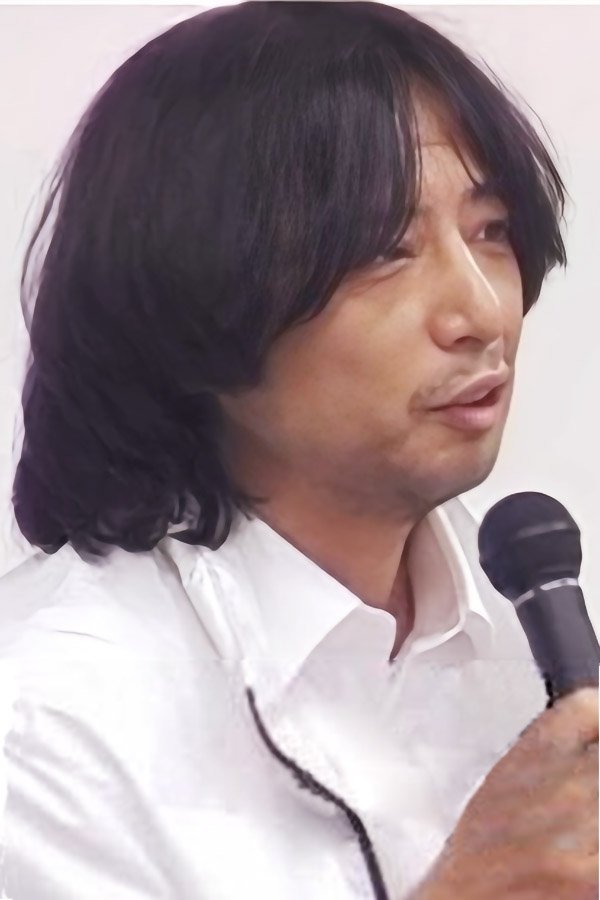
As a huge fan of Akiyuki Shinbo’s work, especially what he’s done with Shaft on shows like ‘Bakemonogatari,’ I’m always amazed by his incredibly unique visual style. It’s full of quick cuts and really interesting camera angles. But I’ve also learned it’s incredibly demanding to create! Apparently, his animators have to work within a very strict, experimental structure, which can be confusing and takes a lot of effort. He loves using abstract backgrounds and text on screen, and everything has to be timed perfectly with what the characters are saying. It sounds like a really fast-paced, high-pressure environment, but the team always manages to keep that signature, consistent look across even the most complicated scenes. He’s definitely known for doing things differently, so I imagine he’s a tough director for animators used to more traditional methods.
Hiroyuki Imaishi
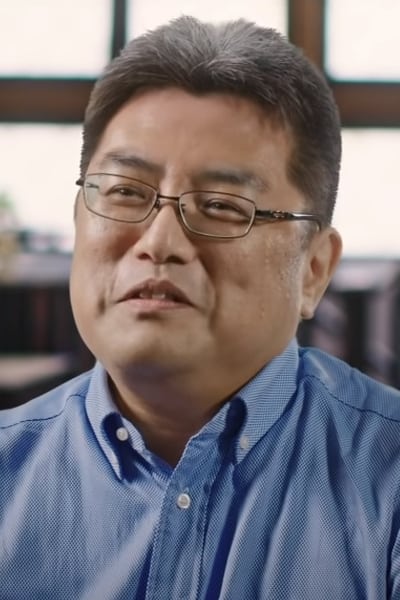
Hiroyuki Imaishi, the director behind hits like ‘Gurren Lagann’ and ‘Kill la Kill’, is known for his fast-paced, energetic style. This vision, however, puts a huge amount of work on his animation teams. He uses a technique called “limited animation” but takes it to the extreme, asking artists to create very dynamic poses and quick action scenes. Because of the sheer number of drawings needed to bring his wild and colorful ideas to life, Studio Trigger often faces intense periods of overtime, known as “crunch.” Imaishi prioritizes visually striking and impactful moments, which means animators often have to push movements beyond what’s realistic. While some thrive in this high-energy atmosphere, it can be incredibly demanding for others.
Osamu Dezaki
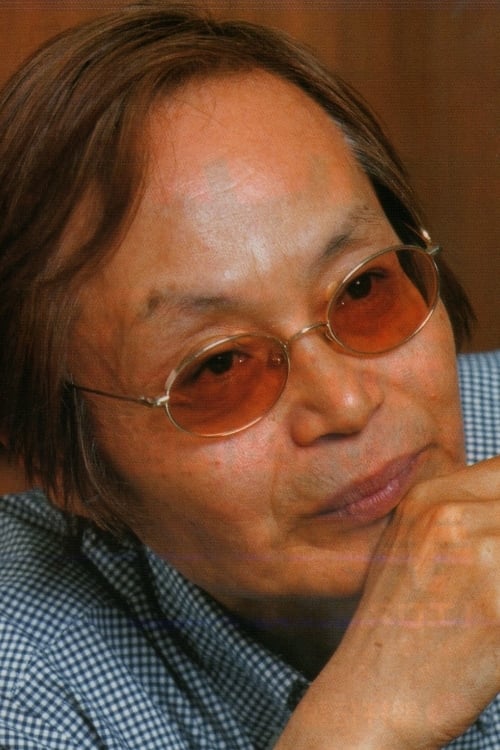
Osamu Dezaki was a groundbreaking director who developed innovative techniques like the “postcard memory,” but he was also a notoriously strict leader. While working on shows like ‘The Rose of Versailles’ (1979–1980), he pushed his team to perfectly replicate his distinctive lighting and dramatic shading. He had a strong and often blunt personality, and he wasn’t afraid to critique work that didn’t meet his high artistic standards. Dezaki had a clear vision and demanded his team create complex, film-like shots that were challenging to produce with the technology available at the time. This dedication to creating a theatrical experience in animation made him a legendary, though often difficult, figure to work with.
Shigeyasu Yamauchi

Shigeyasu Yamauchi is a director known for creating visually striking and atmospheric anime, particularly in series like ‘Saint Seiya: Hades Chapter Sanctuary’ and ‘Casshern Sins’. He frequently uses close-up shots and extended scenes that demand incredibly detailed animation and backgrounds. Directors and animators describe his work as prioritizing the emotional impact of each scene, which can be challenging to achieve. Yamauchi is also a perfectionist when it comes to color and lighting, often requiring numerous revisions to achieve the specific, often dark, mood he envisions. While this dedication to feeling and artistry results in beautiful work, it can sometimes slow down production and create a demanding work environment.
Shoji Kawamori
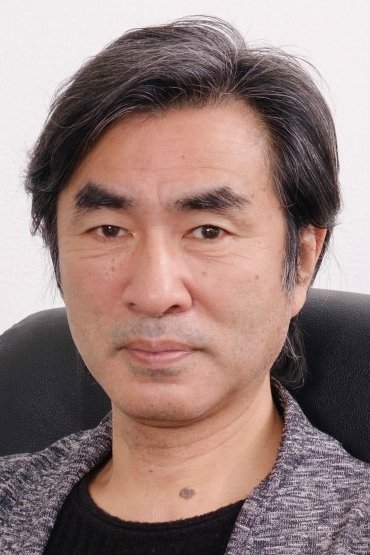
Shoji Kawamori, the director and mechanical designer behind the ‘Macross’ franchise (starting in 1982), is famous for his dedication to realistic transformations and how well his robots would actually fly. He often creates physical LEGO models to test his designs, and expects his animation team to fully understand the complex mechanics. When making ‘Macross Plus’ (1994–1995), his desire to combine traditional hand-drawn animation with new computer graphics presented significant technical challenges. Because he handles both design and direction, Kawamori pays close attention to every visual detail. This demands a highly skilled team capable of delivering precise, mechanically accurate animation that meets his exacting standards.
Tatsuo Sato
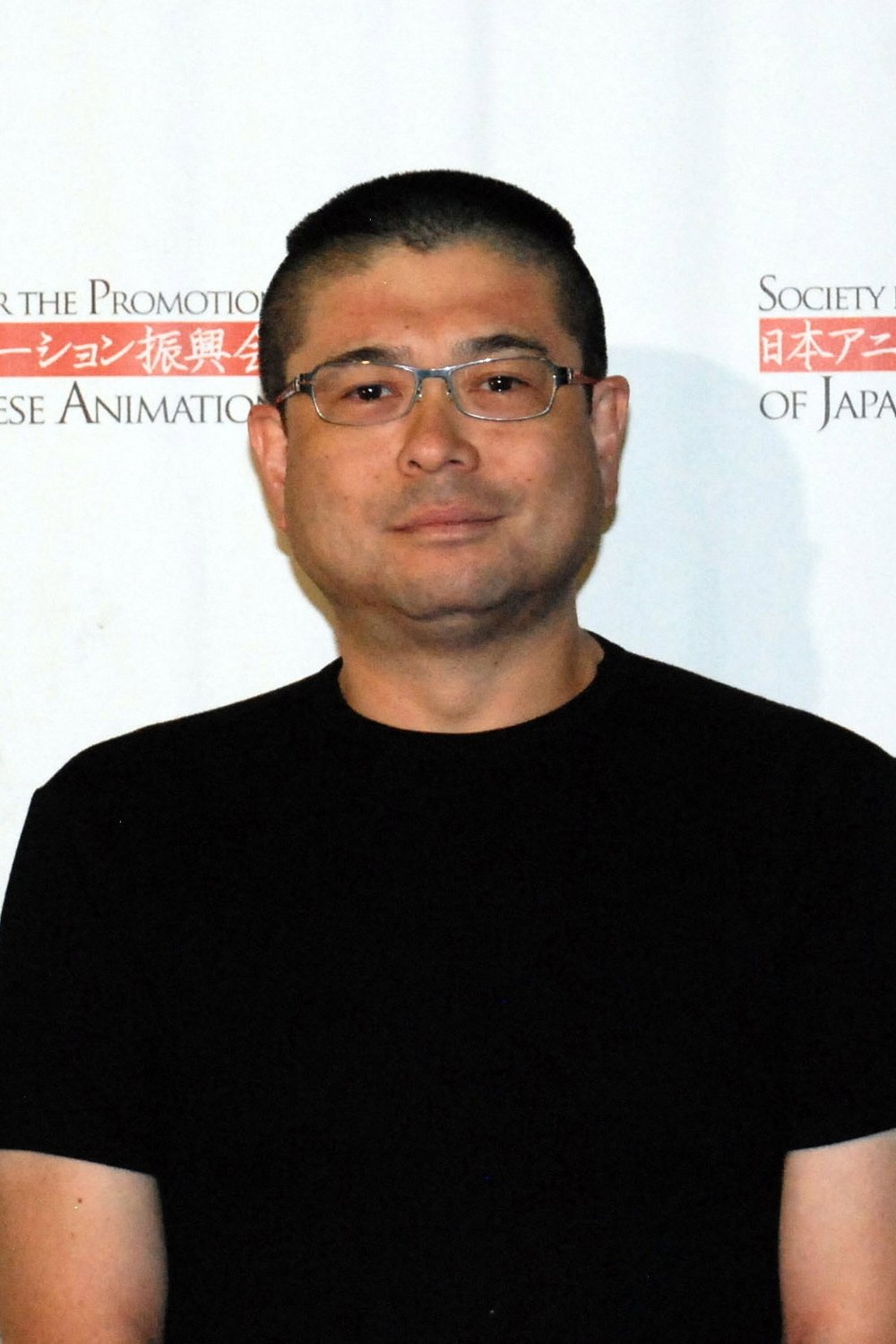
Tatsuo Sato, the director of ‘Martian Successor Nadesico’ (1996–1997), is famous for carefully controlling the mood of his shows. He frequently mixes fast-paced action with witty humor, which demands a lot from his animators. Sato is heavily involved in writing the scripts and often makes late changes that affect the animation process. He strives for a specific rhythm – a blend of comedy and drama – and isn’t afraid to repeatedly edit scenes to get the timing just right. This constant shifting of tone can be demanding for his production teams, who need to ensure the show still feels consistent.
Goro Taniguchi
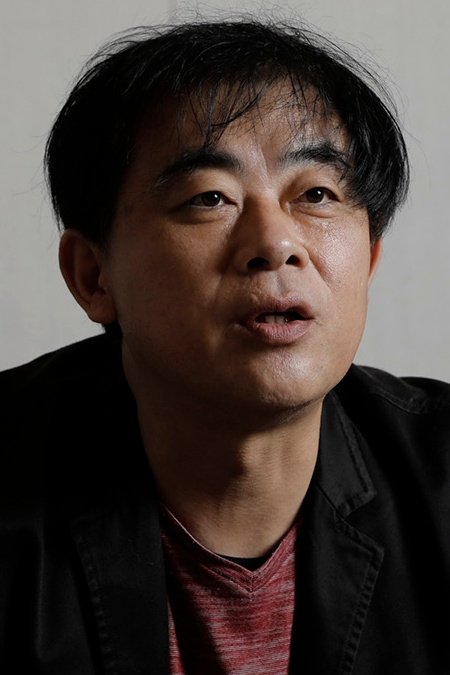
Goro Taniguchi, the director of the popular anime series ‘Code Geass’ (2006-2007), is famous for telling complex stories with well-developed characters. He’s known for wanting a lot of excitement and visual spectacle in his work, which means his team has to juggle many different elements at once – everything from action-packed robot fights to detailed political conversations. Taniguchi is said to have a strong vision and doesn’t often change his mind. Because his projects are so large and ambitious, they require a lot of careful planning and coordination, and he likes to pack as much story as possible into each episode. This focus on creating exciting, must-see TV means the team is constantly under pressure to deliver high-quality work every week.
Please share your thoughts on these legendary directors and their demanding styles in the comments.
Read More
- Gold Rate Forecast
- Invincible Season 4 Gender Swaps Tech Jacket As Fans Question Major Comic Change
- Silver Rate Forecast
- Unveiling the Schwab U.S. Dividend Equity ETF: A Portent of Financial Growth
- 15 Films That Were Shot Entirely on Phones
- 22 Films Where the White Protagonist Is Canonically the Sidekick to a Black Lead
- 14 Movies Where the Black Character Refuses to Save the White Protagonist
- ONE PIECE Season 2 Confirms Sanji’s OTHER Backstory in the Live-Action
- Why Won’t It Just *Do* What You Ask? Unpacking the Quirks of AI Language
- Top 10 Coolest Things About Jared Leto
2026-02-05 02:16