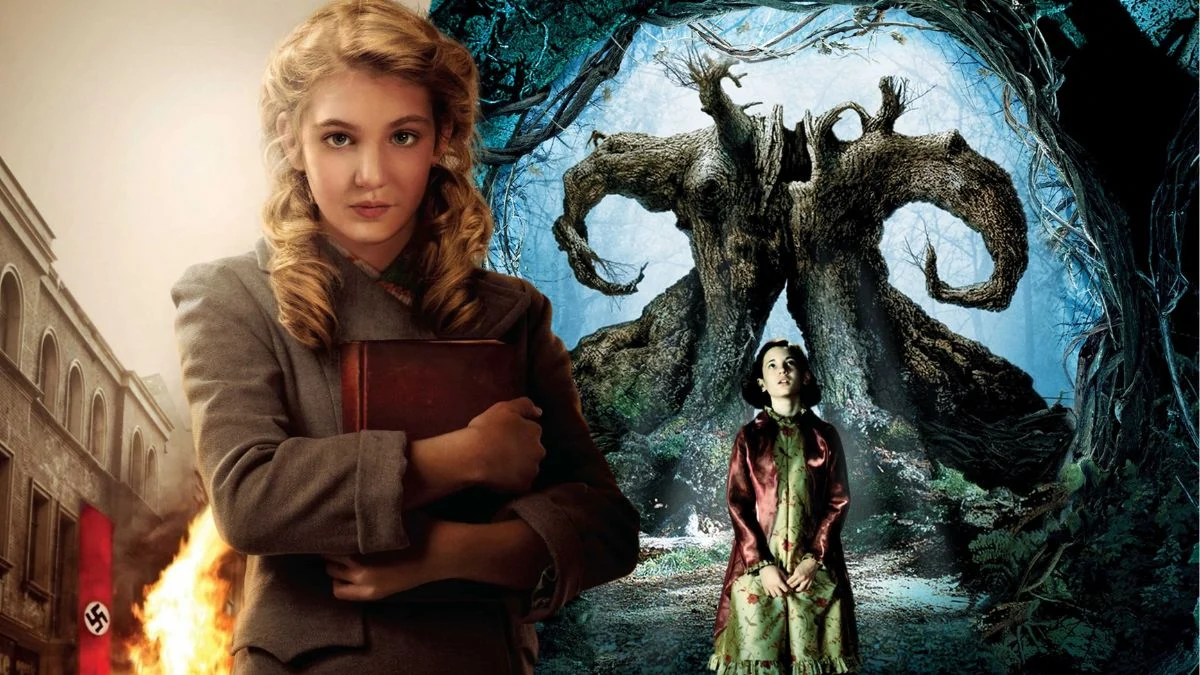
While many war movies show intense battles, some of the most powerful stories happen away from the fighting. These films explore how war affects the people left at home – families and communities dealing with fear and hardship. These “home-front” dramas offer a different perspective on the changes war brings to a country and the emotional cost it takes. By focusing on those waiting for loved ones to return, these films show how people cope and try to keep life as normal as possible during chaotic times. Here are fifteen films that powerfully depict this experience.
‘Gone with the Wind’ (1939)
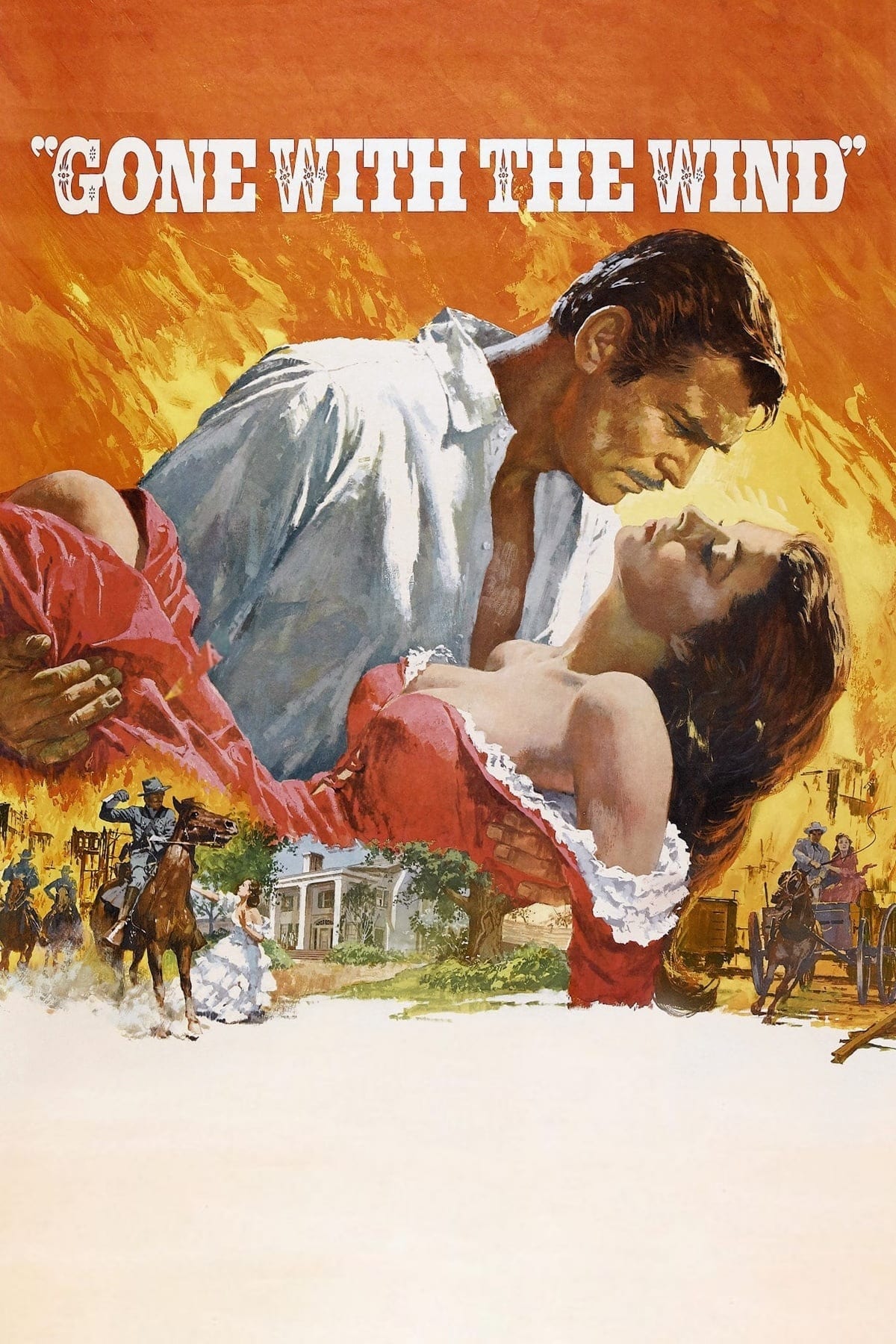
Scarlett O’Hara struggles to protect her family’s plantation during and after the Civil War. The story explores her complicated love life as the South falls apart, and shows how the wealthy cope with losing everything. We see the devastation of Atlanta and the economic difficulties that follow the war, all through the eyes of those who once had privilege. The film is a powerful depiction of how ordinary people survived during this incredibly difficult period in American history.
‘Mrs. Miniver’ (1942)
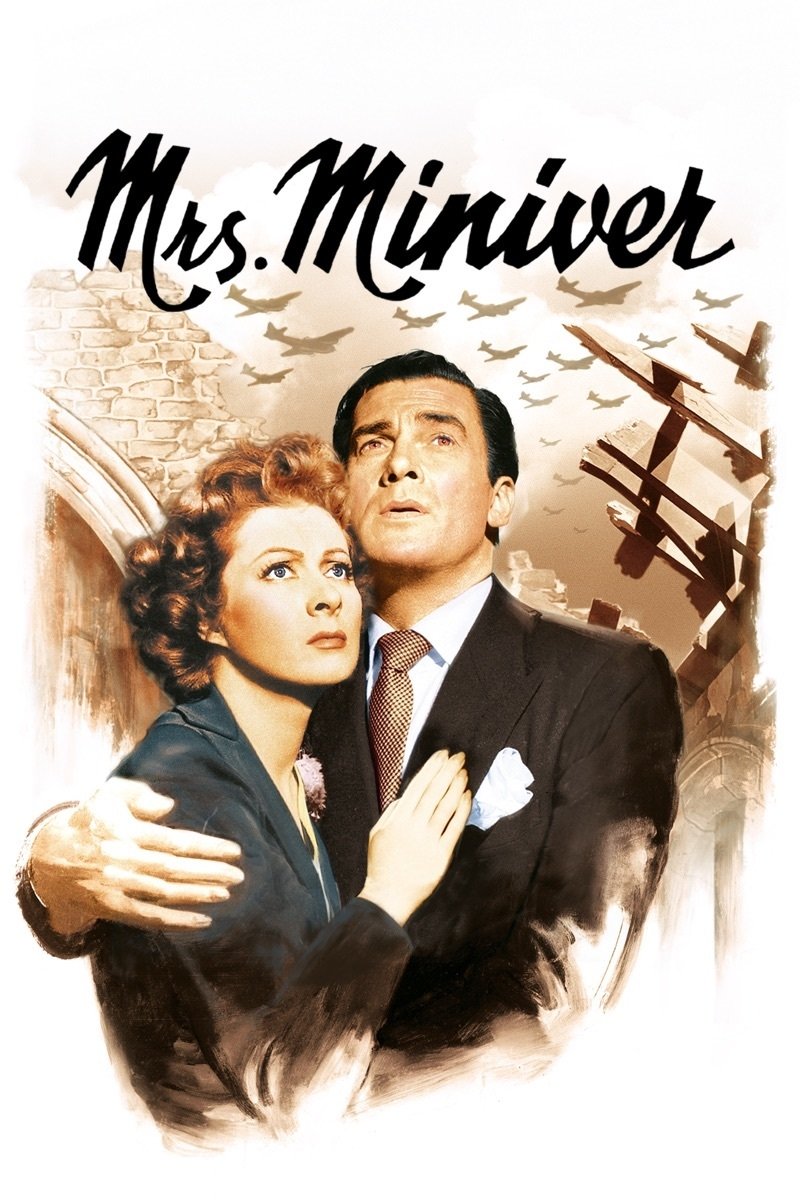
During World War II, a strong British mother tries to hold her family together as the war impacts their everyday lives. The film shows how regular people coped with bombing raids and saying goodbye to family members who went off to fight. Kay Miniver represents the courage of those at home, particularly as she deals with the heartache of sending her son to war. It’s a moving story about the bravery found in ordinary life during a national emergency, and how everyone shared in the struggles of the war.
‘The Best Years of Our Lives’ (1946)

This film follows three World War II veterans as they return home and try to rebuild their lives. Each man struggles with finding work and reconnecting with family after the trauma of war. The story highlights the difficulties veterans face when trying to readjust to civilian life, and the gap between their experiences and those who didn’t serve. It’s a realistic portrayal of the lasting emotional and physical effects of war on those who fought and their loved ones, honestly depicting issues like PTSD and disability in the postwar era.
‘Forbidden Games’ (1952)
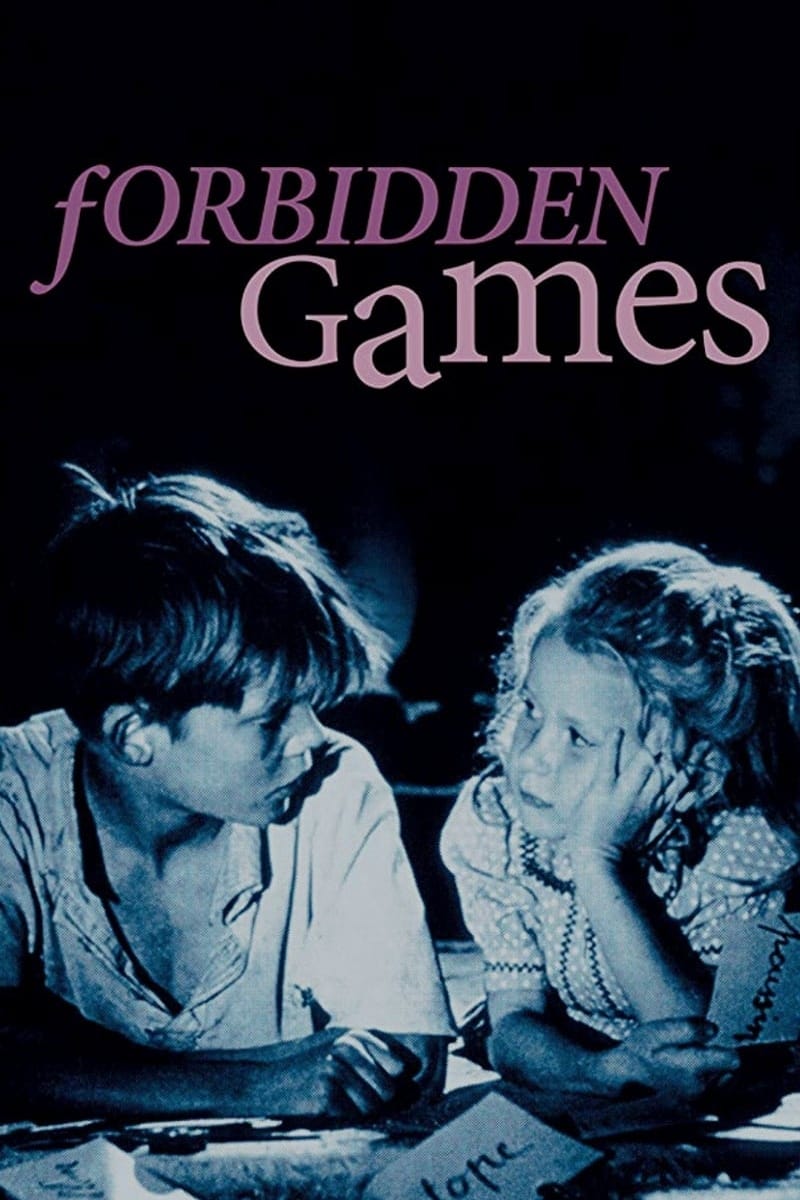
After losing their parents in a bombing during the German occupation, two young French children build a hidden cemetery for animals. This act helps them cope with the loss and the violence around them, creating a private space away from the adult world. The film powerfully shows how war destroys childhood innocence and how young minds are affected by constant violence. It suggests that children often reflect the destruction they see in the adult world through their play.
‘Coming Home’ (1978)
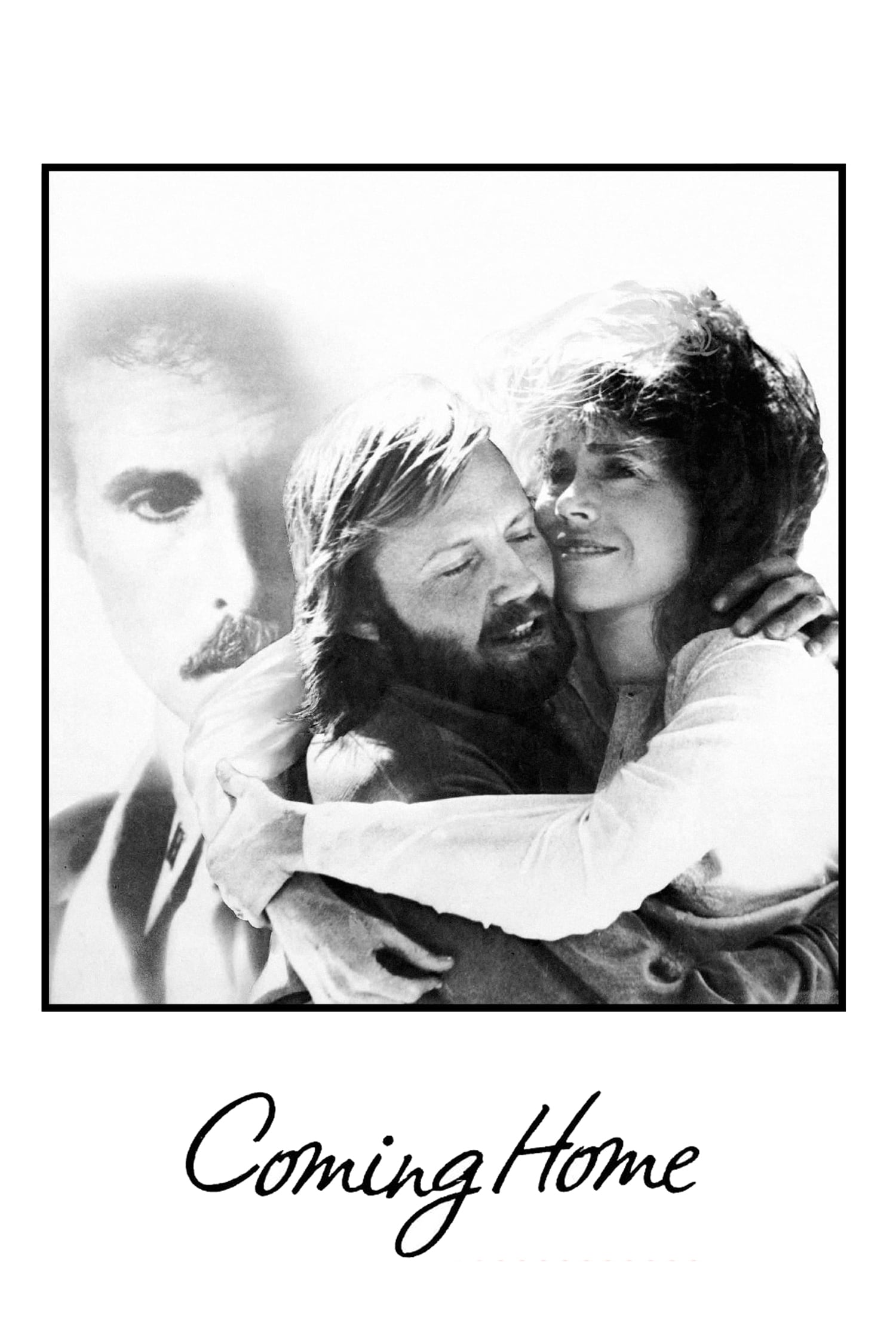
The film tells the story of a woman who volunteers at a veterans hospital while her husband is deployed in Vietnam, and her emotional connection with a paralyzed patient. It explores how American opinions about the war changed during that time, and the struggles faced by soldiers returning home, particularly regarding physical disabilities and a lack of adequate support. The movie offers a powerful look at the hidden costs of war – the strain on relationships and the impact on mental well-being – and highlights the difficult gap between serving one’s country and the challenges of recovery.
‘Hope and Glory’ (1987)
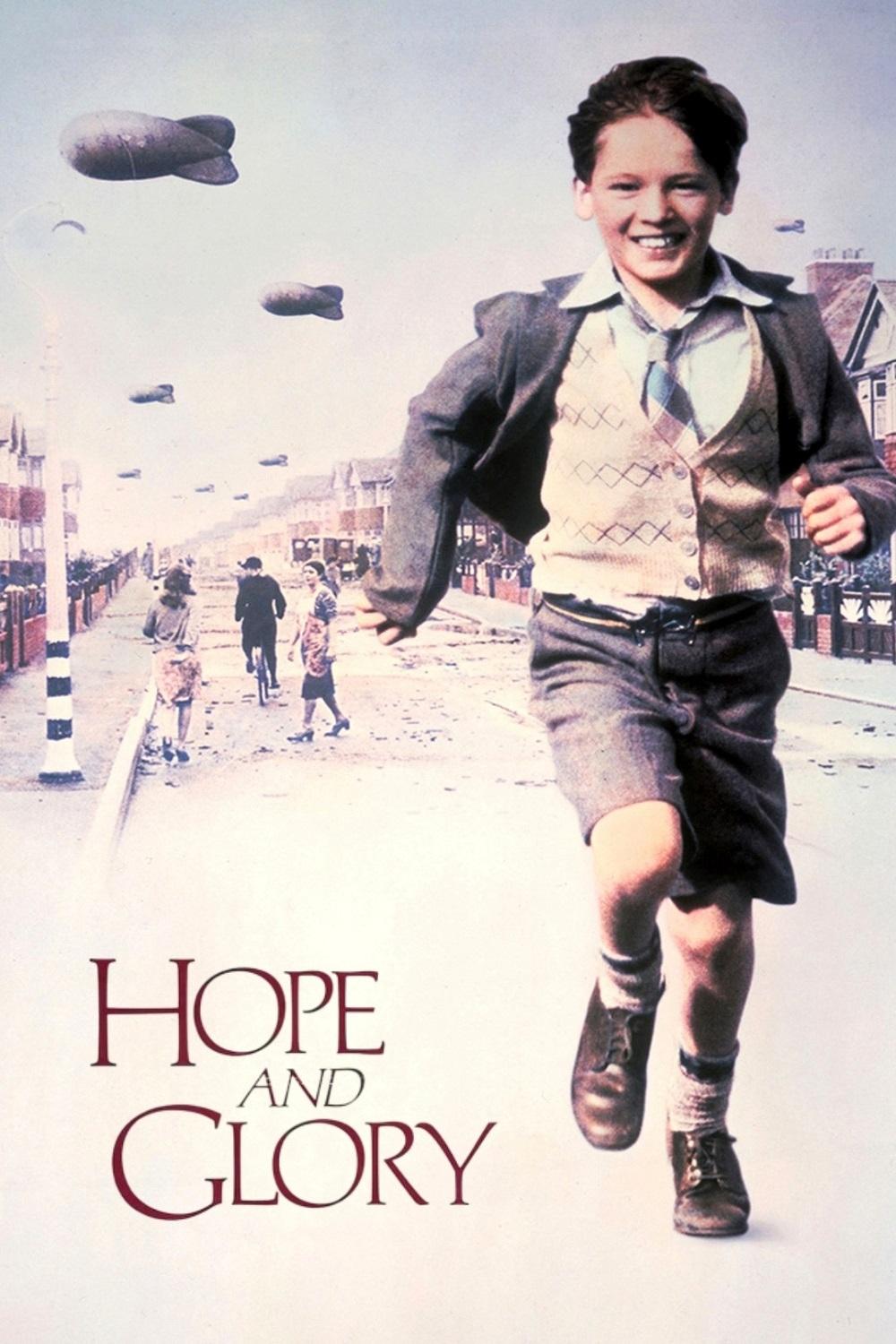
During the London Blitz, a boy surprisingly sees the bombing raids as exciting adventures instead of terrifying events. His family attempts to keep life as normal as possible despite the constant danger and destruction around them. The story beautifully contrasts a child’s innocent perspective with the harsh realities of wartime England, offering a personal glimpse into what life was like during the intense German bombing attacks. Even as their neighborhood is destroyed, the film manages to find moments of humor and heartwarming connection.
‘Grave of the Fireflies’ (1988)
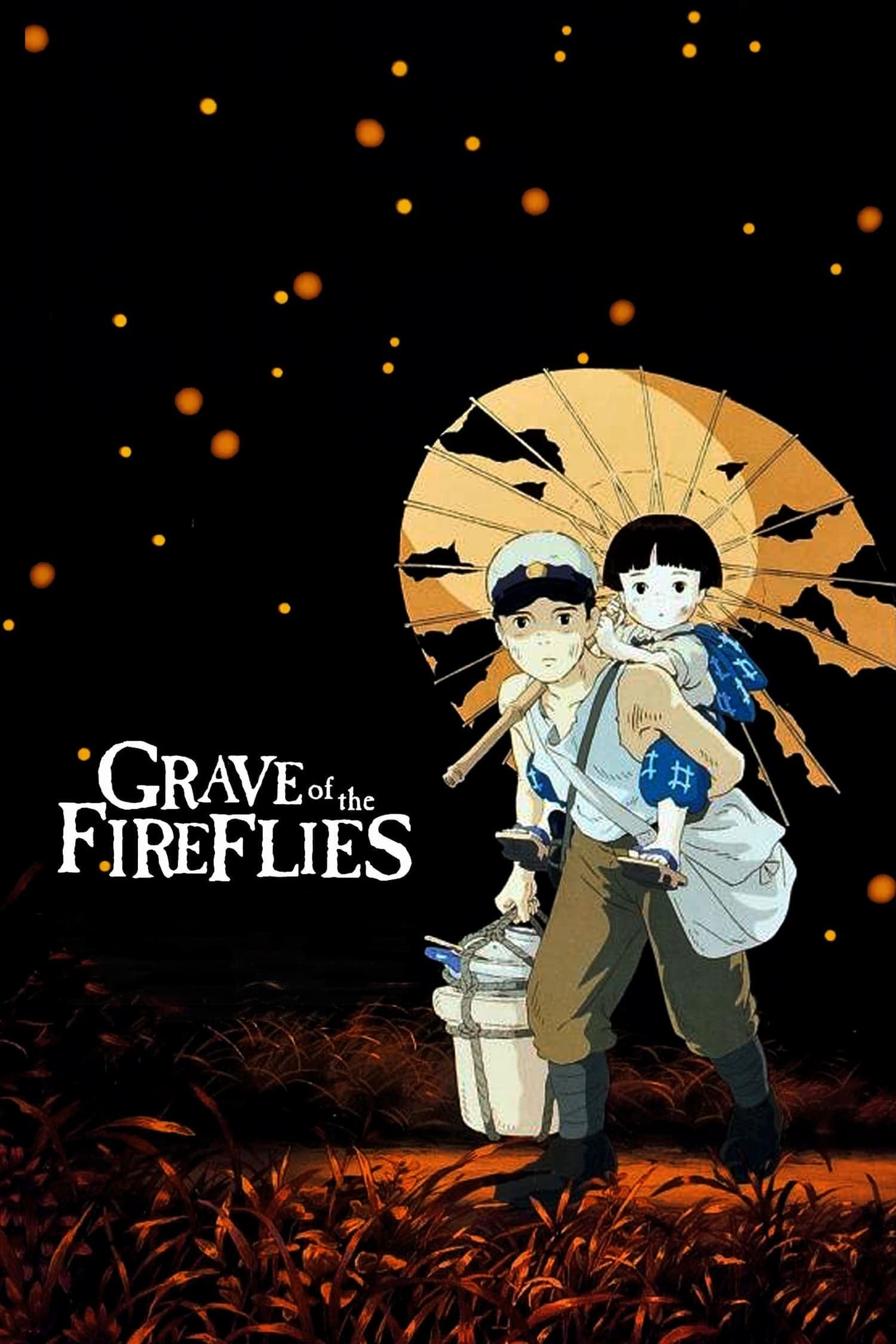
As a film lover, I’m still deeply affected by this movie. It follows two siblings, Seita and Setsuko, trying to simply live in Japan as World War II is ending. It’s not about battles or heroism, though; it’s about their heartbreaking struggle against starvation and how shockingly indifferent everyone around them seems to be as society falls apart. The animation is beautiful, but it makes the tragedy even more powerful. It’s one of the most devastating depictions I’ve ever seen of what war does to ordinary people, especially children, and it doesn’t shy away from the brutal reality of just trying to survive. There’s absolutely no glamour here, just a raw and honest look at their desperate fight for life.
‘Cold Mountain’ (2003)

During the final months of the Civil War, a wounded Confederate soldier attempts a dangerous journey home to North Carolina and the woman he loves. Meanwhile, back on the farm, Ada Monroe battles to keep her family’s land afloat while dealing with the rough tactics of the local Home Guard. The story shifts between the soldier’s perilous trek and Ada’s struggles, revealing the chaos and hardship that gripped the South as the war drew to a close. It also powerfully portrays the difficult and often dangerous work women had to do while the men were at war.
‘Pan’s Labyrinth’ (2006)

After the Spanish Civil War, a young girl named Ofelia finds refuge from a difficult reality by escaping into a fantastical world. Her stepfather embodies the cruel fascist government that’s pursuing those who fought against them. Ofelia uses her imagination as a way to deal with the violence and control she experiences at home. The film combines a realistic historical setting with dark fantasy, examining the emotional scars left by living under a dictatorship. It’s a story about losing innocence and the impact of war on a society.
‘Atonement’ (2007)
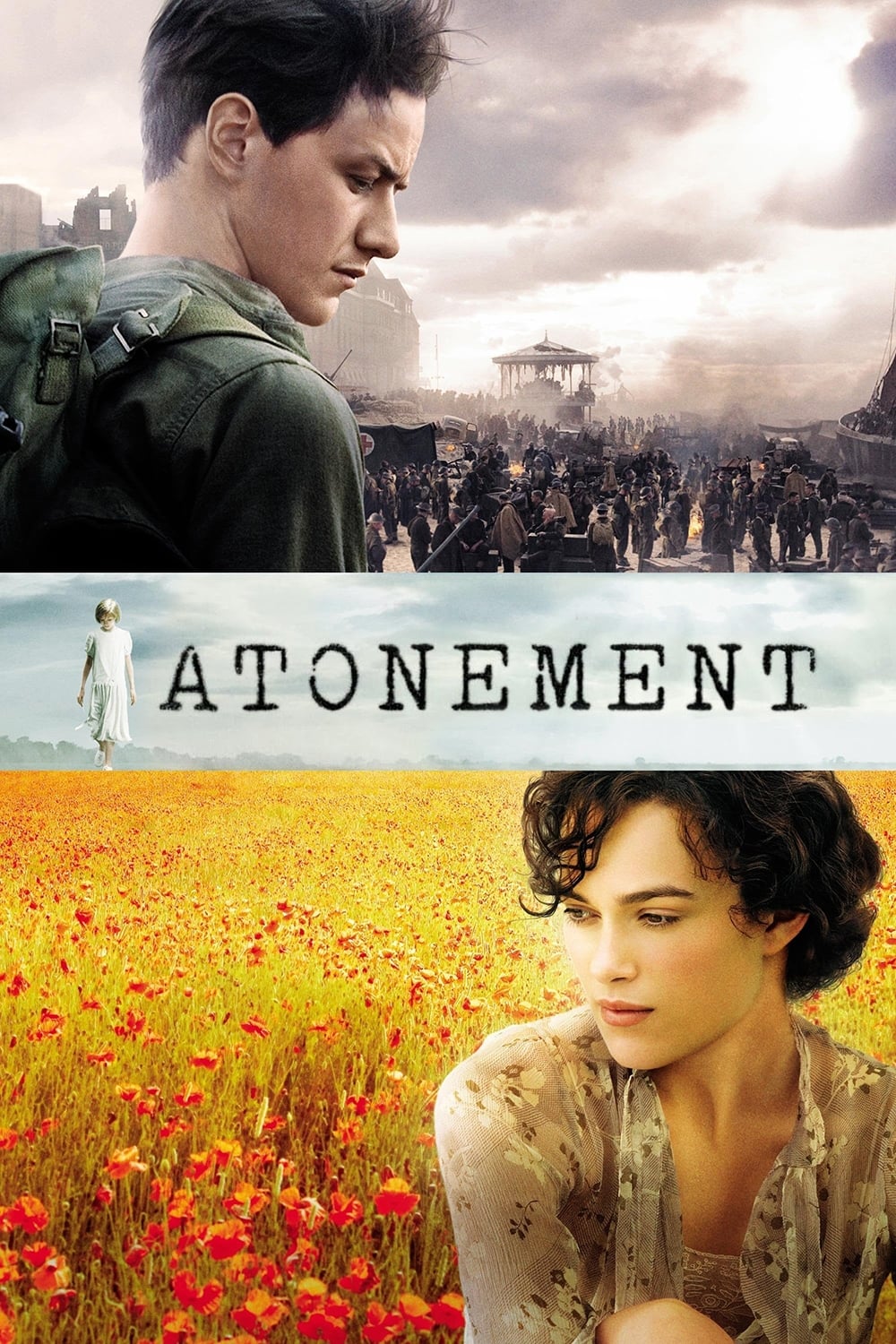
During World War II, a young girl’s false claim has devastating consequences for both her sister and a man they both know. The story follows the repercussions of this lie over many years, showing how it impacts their lives at home and during the war. Briony Tallis, burdened by guilt, tries to make amends through her writing while working as a nurse in London. The novel highlights how a simple misunderstanding can have far-reaching effects, especially during a time of global conflict, and offers a stark depiction of the busy and chaotic environment of wartime hospitals.
‘The Messenger’ (2009)
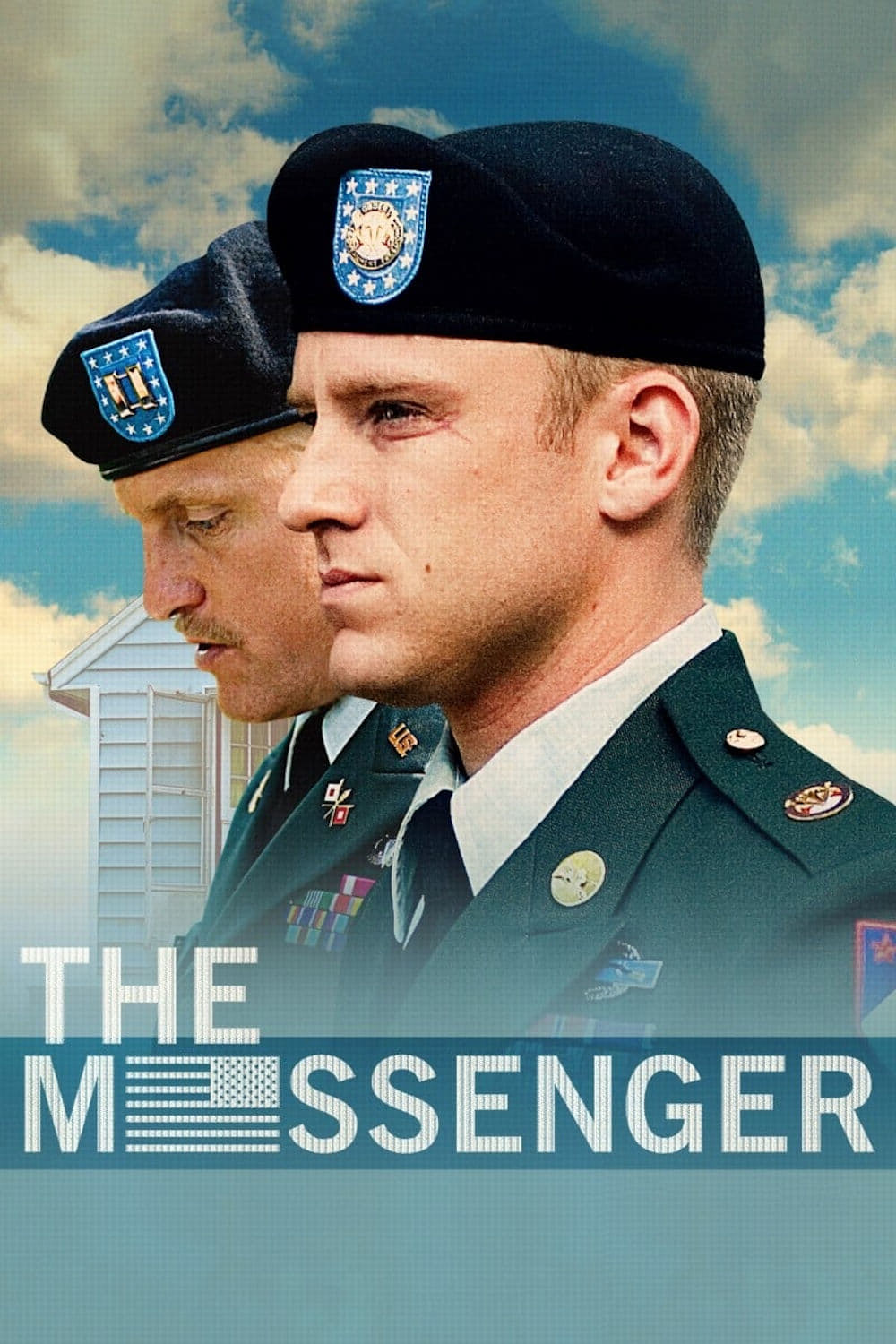
This film centers on the difficult job of two officers who deliver news of soldiers’ deaths to their families. It follows Staff Sergeant Will Montgomery as he grapples with the emotional impact of witnessing such profound grief. Unlike typical war movies, the story focuses on the challenges faced by those at home after the Iraq War, highlighting the lasting pain experienced by families and the heavy psychological burden carried by the officers who deliver this devastating news.
‘The Book Thief’ (2013)
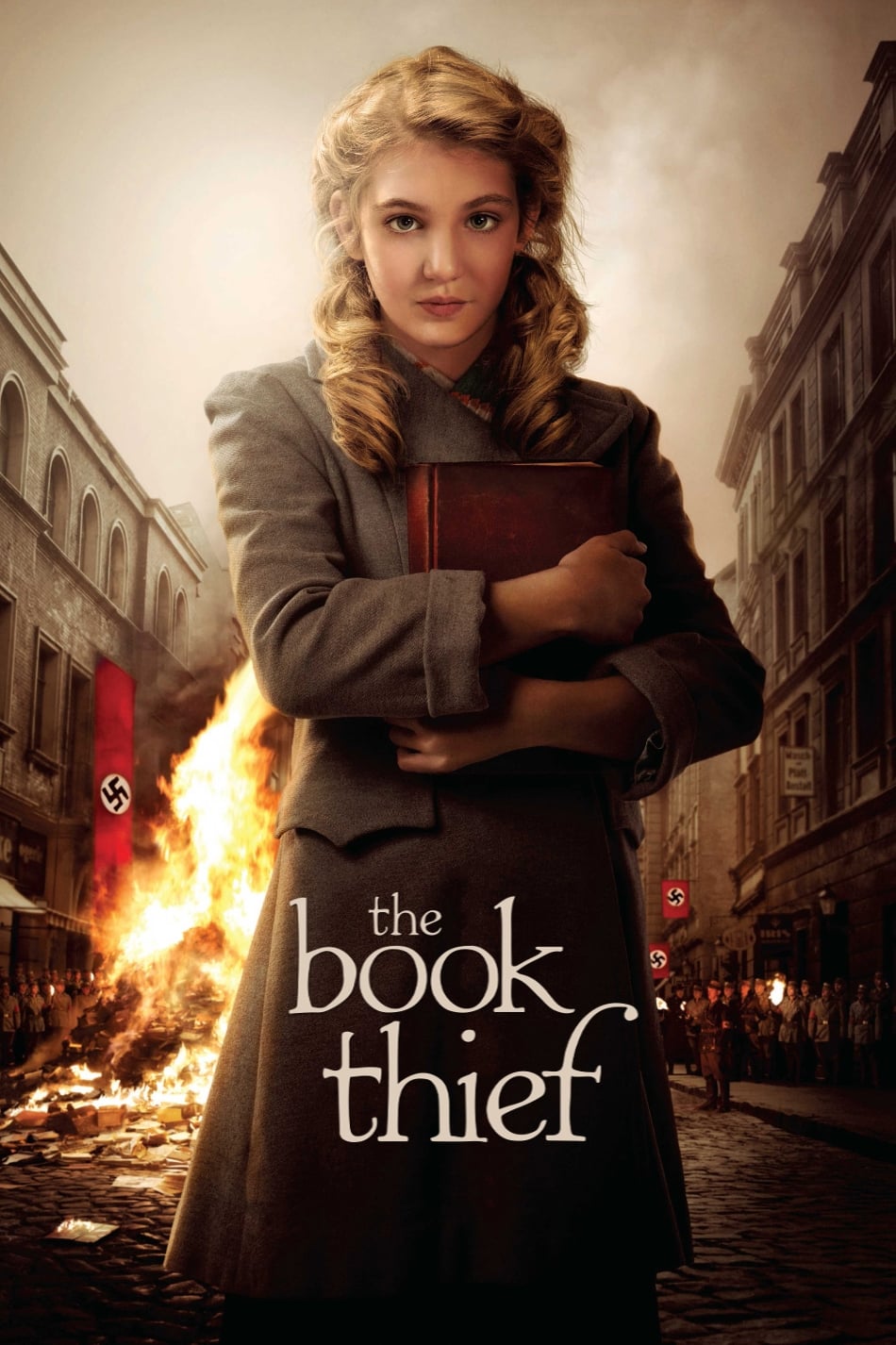
During the horrors of Nazi Germany, a young girl named Liesel Meminger finds comfort by stealing books and sharing stories with those around her. While living with foster parents, she and her family secretly shelter a Jewish man, risking everything in a dangerous world. The story is told through the eyes of Death, who witnesses the incredible strength of people even during immense suffering. It’s a powerful reminder of how literature can offer hope in the darkest of times, and the bravery of ordinary people who fought to maintain their compassion and humanity.
‘Testament of Youth’ (2014)
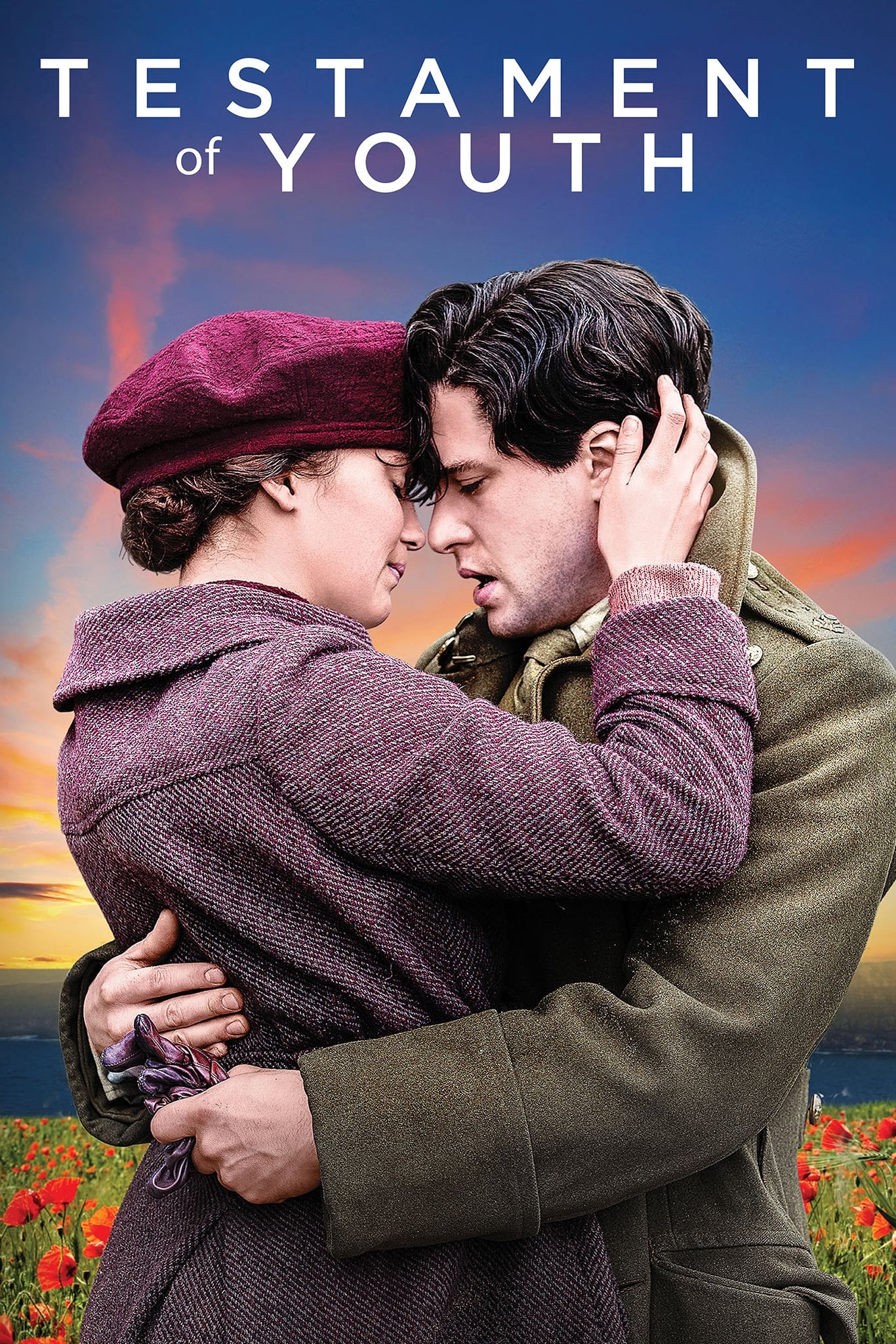
During World War I, Vera Brittain left her studies at Oxford to work as a nurse. The film tells the story of her experiences, including the loss of her fiancé and brother in the war. It offers a feminist look at how the war impacted a generation and the rise of pacifism. The film powerfully portrays the deep sense of loss felt by survivors who had lost their hopes for the future, serving as a moving account of grief and resilience.
‘Jojo Rabbit’ (2019)

During the last years of World War II, a young German boy named Jojo discovers his mother is secretly sheltering a Jewish girl in their attic. He’s forced to question everything he’s been taught, especially his strong nationalistic beliefs, and grapple with his imaginary friend, who happens to be Adolf Hitler. The film uses satire and humor to expose the ridiculousness of hatred, while also showing how dangerous those beliefs were at the time. It explores how young people were influenced by propaganda and highlights the importance of kindness and empathy, even amidst the chaos of a collapsing Germany. The story blends dark comedy with the heartbreaking truths of the era.
Please tell us which home-front story resonated with you the most in the comments.
Read More
- Top 20 Dinosaur Movies, Ranked
- 20 Movies Where the Black Villain Was Secretly the Most Popular Character
- 25 “Woke” Films That Used Black Trauma to Humanize White Leads
- Celebs Who Narrowly Escaped The 9/11 Attacks
- Silver Rate Forecast
- Spotting the Loops in Autonomous Systems
- Gold Rate Forecast
- From Bids to Best Policies: Smarter Auto-Bidding with Generative AI
- 22 Films Where the White Protagonist Is Canonically the Sidekick to a Black Lead
- Can AI Lie with a Picture? Detecting Deception in Multimodal Models
2025-12-10 22:16