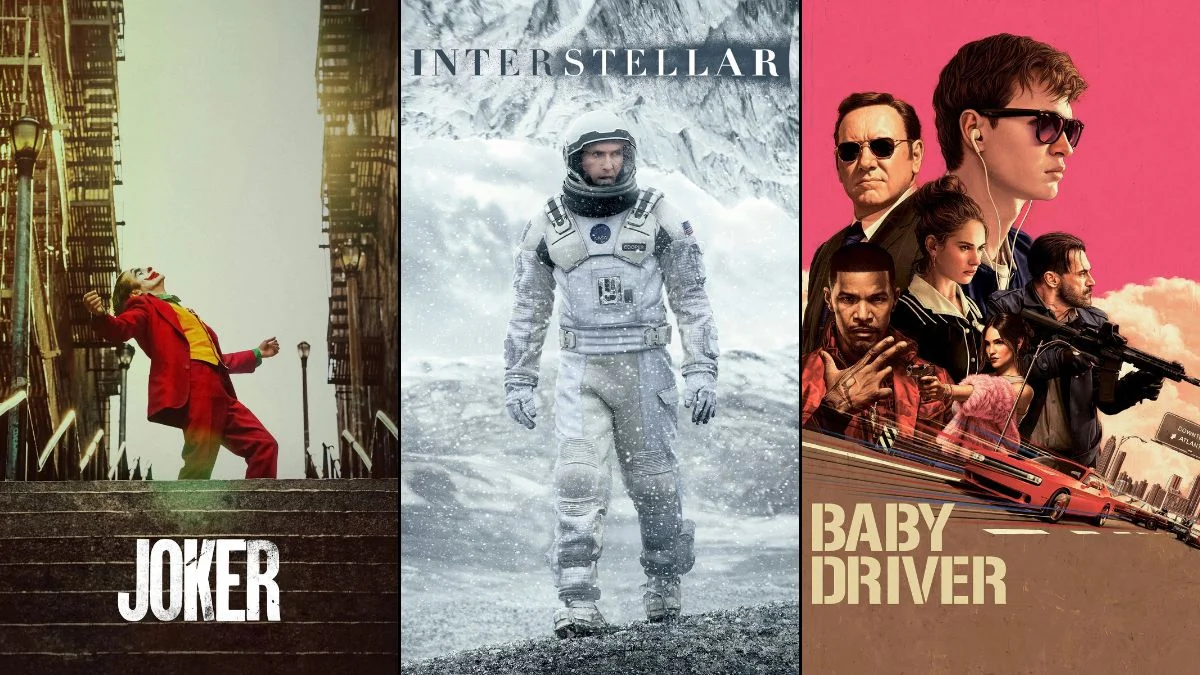
Typically, a film’s music is added at the very end, during editing. However, a few directors are changing that by having composers write the music first, before filming begins. This allows the music’s mood and pace to shape how the actors perform and how the movie is shot. The films below demonstrate the special results that happen when the music leads the creative process.
‘Interstellar’ (2014)
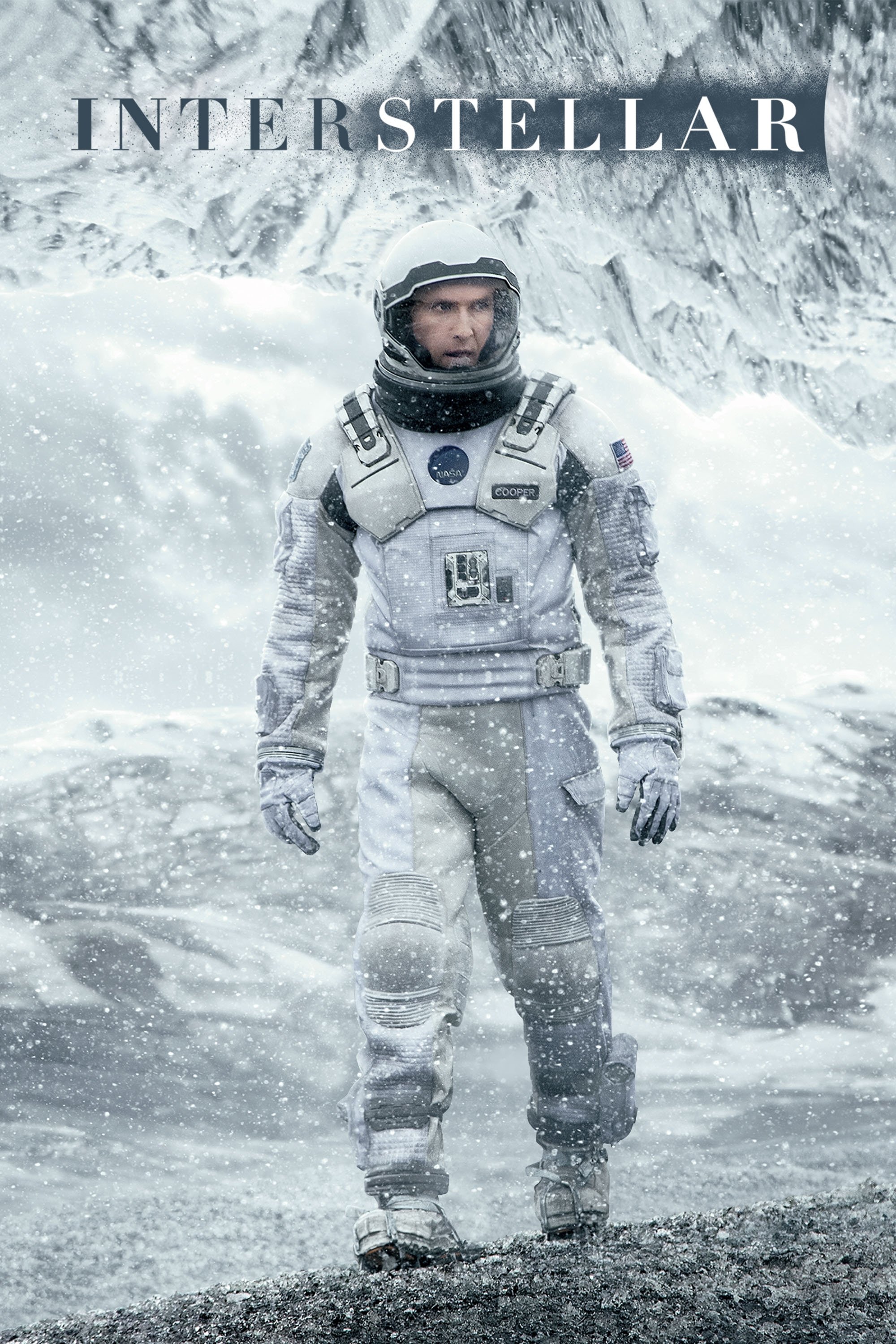
Hans Zimmer created the main musical theme for this science fiction film before there was even a story written. Christopher Nolan, the director, simply gave Zimmer a one-page story about a father and child. Zimmer then composed a piano and organ piece that captured the story’s emotional heart, all without knowing it was for a space travel movie. Nolan was so inspired by the music that he built the entire screenplay around it.
‘Once Upon a Time in the West’ (1968)
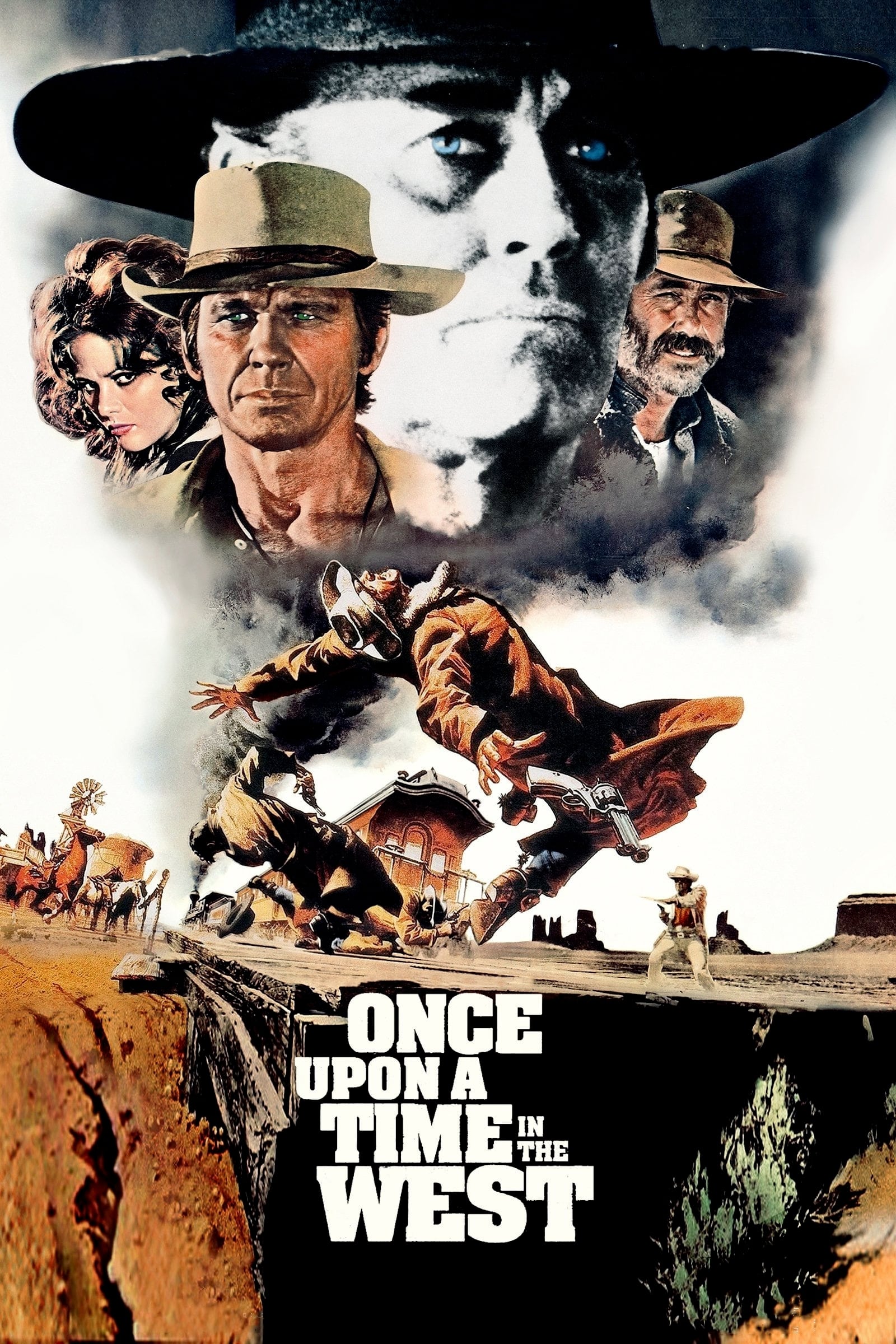
Sergio Leone, the director, had composer Ennio Morricone create the film’s music before shooting even started. Leone then played this music on set to guide the actors, helping them achieve the right pacing and feelings for each scene. This approach ensured the camera work and actors’ movements matched the music perfectly. As a result, the music wasn’t just added later – it became a vital part of the storytelling, almost like another character in the film.
‘Magnolia’ (1999)
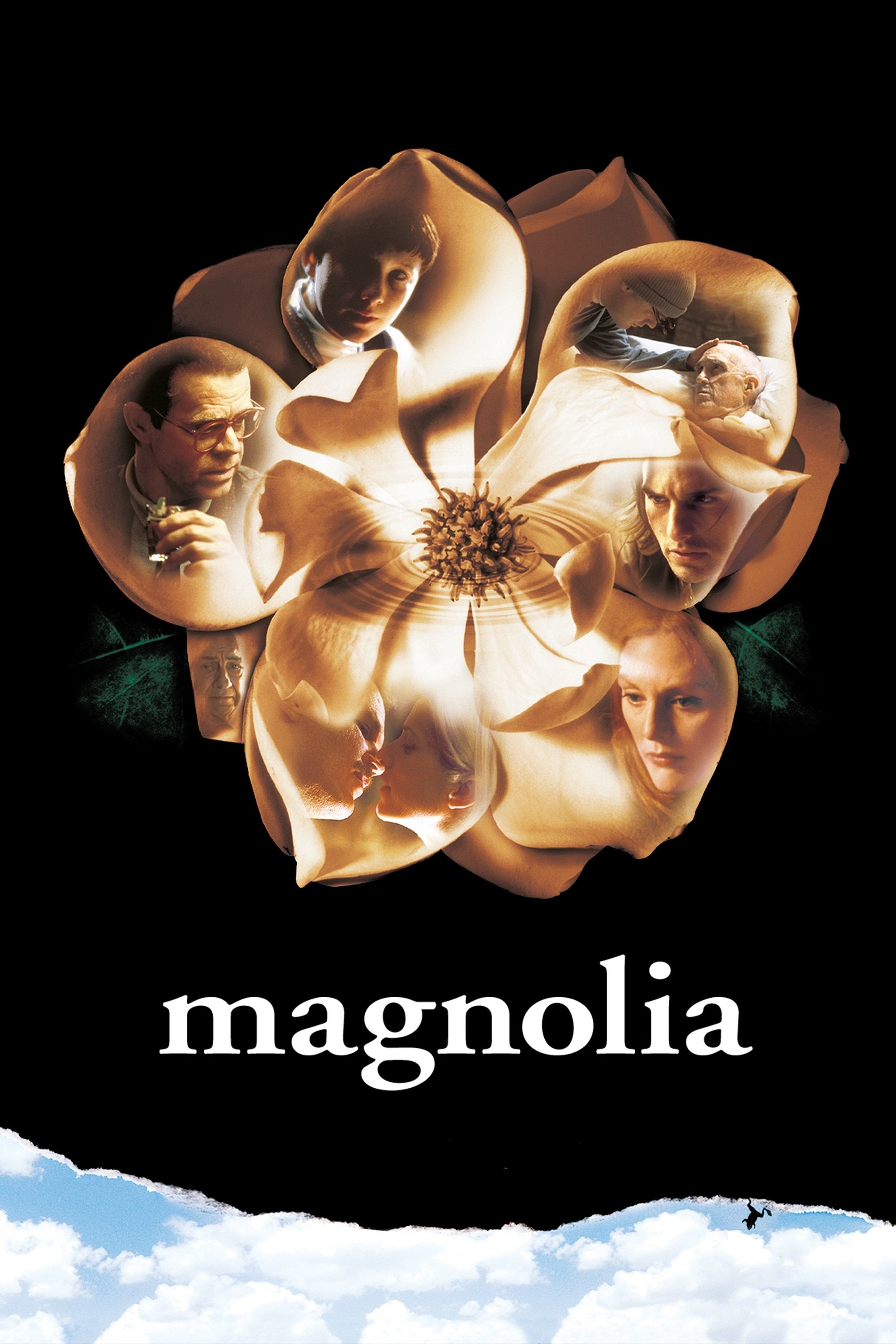
Rather than writing a typical screenplay, director Paul Thomas Anderson based his film on the songs of Aimee Mann. Her music directly influenced the film’s interwoven stories and the characters’ feelings. Mann shared both early demos and completed songs with Anderson, helping to build the way the story unfolded. A memorable scene shows the entire cast singing together to her song, ‘Wise Up,’ which was specifically included in the script.
‘Joker’ (2019)
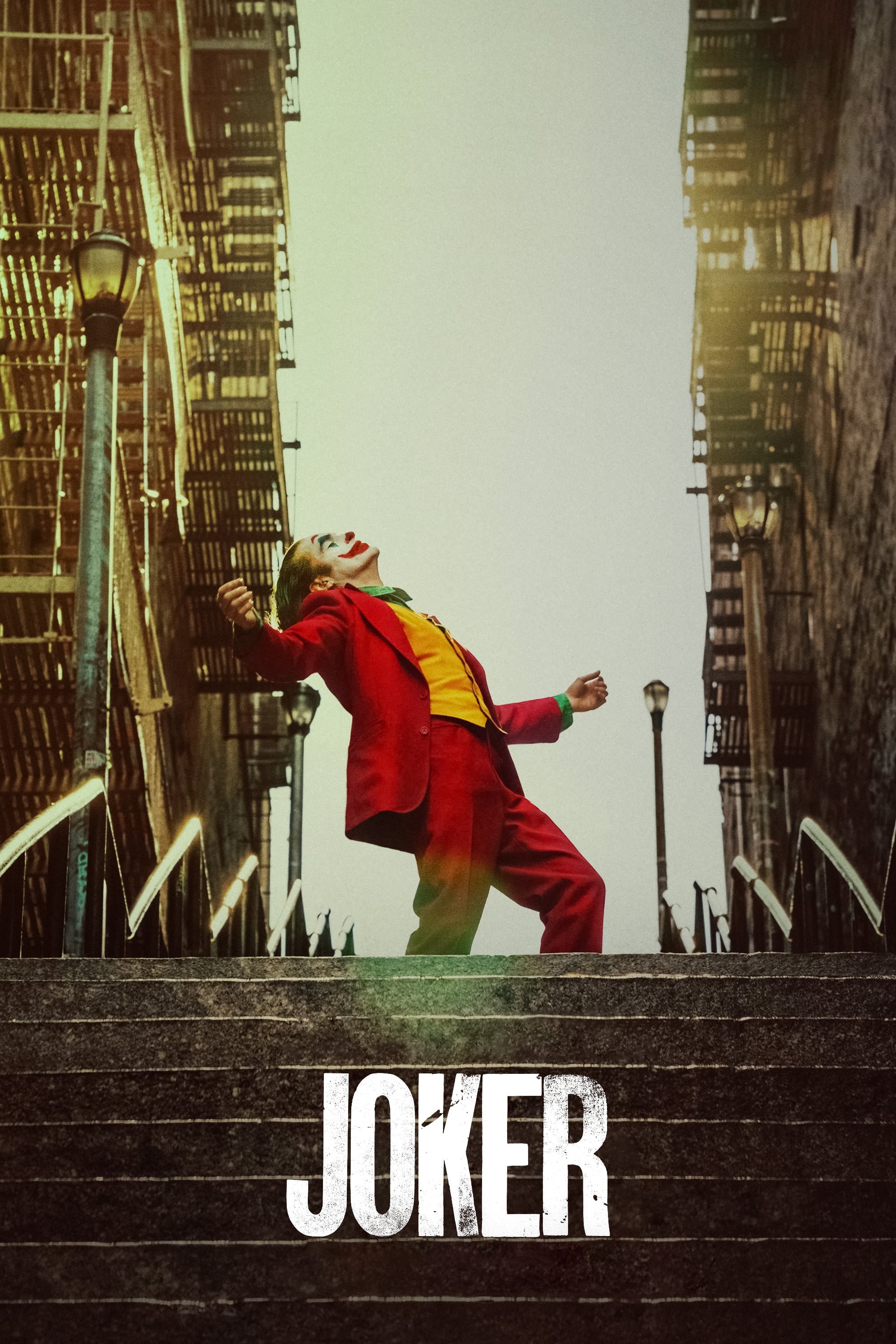
Hildur Guðnadóttir started composing the music as soon as she finished reading the script, even before filming began. Her evocative cello melodies were played during the shooting of important scenes. Notably, Joaquin Phoenix improvised his famous bathroom dance scene while listening to the music live. This direct connection between the music and Phoenix’s performance deeply influenced how his character developed.
‘Baby Driver’ (2017)

Edgar Wright chose the music for this action film long before he finished writing the script. He actually crafted each scene to fit the rhythm and length of the songs he’d picked. The actors then practiced with the music, timing their actions and even the gunshots to the beat. This unusual approach transformed the movie into a fast-paced, musical experience featuring thrilling car chases.
‘The Good, the Bad and the Ugly’ (1966)
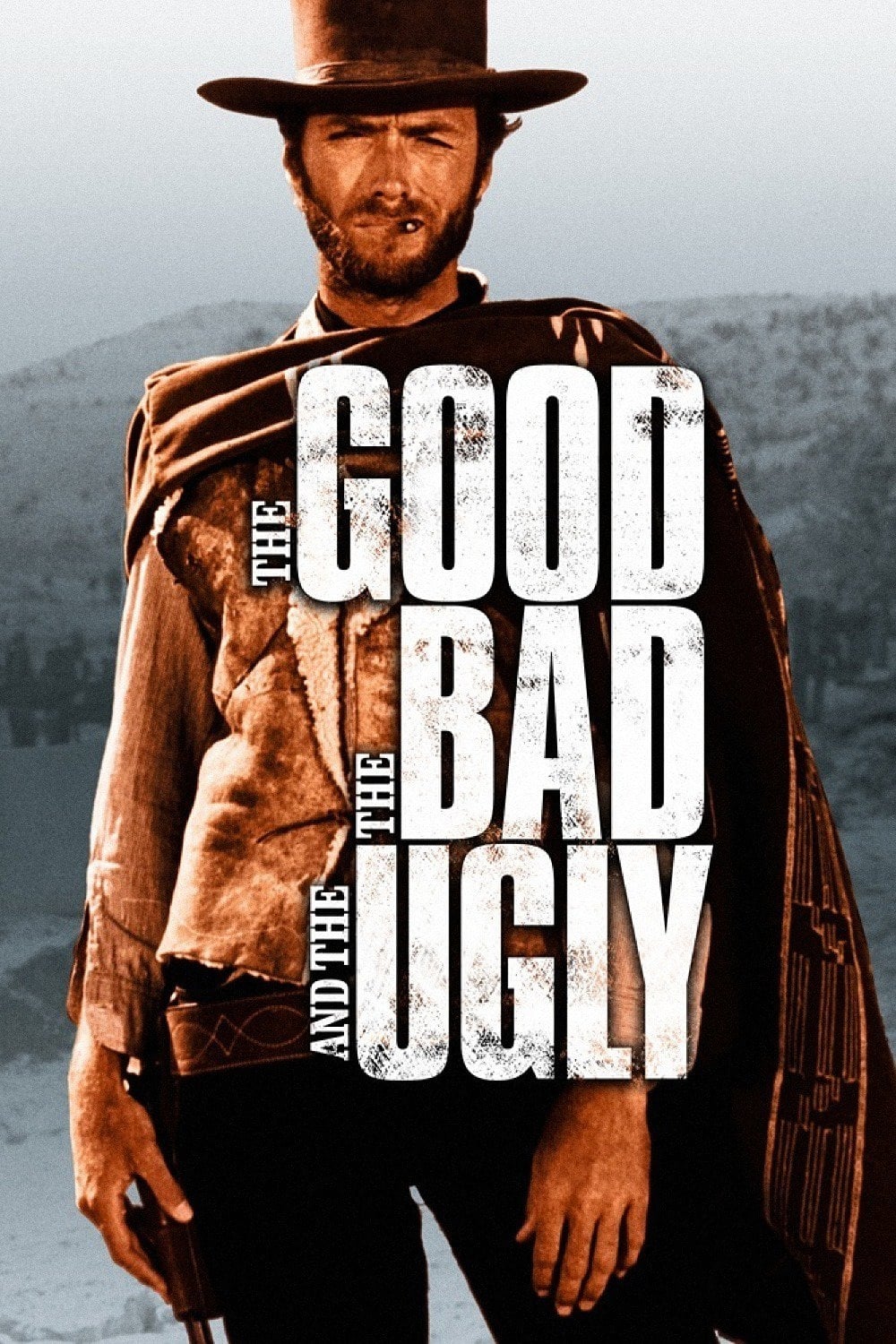
I’ve always been amazed by how the music in that film came together. Ennio Morricone actually wrote the incredible score before they even finished filming! Sergio Leone, the director, then shot the final showdown scene specifically to build with the music’s powerful rise. The editor didn’t just add music to the scene, they actually cut the footage to the pre-recorded track, really amplifying the tension. It was a totally different way of doing things, and I think that’s why the climax is so unforgettable – it’s a truly iconic moment in film.
‘Sorcerer’ (1977)
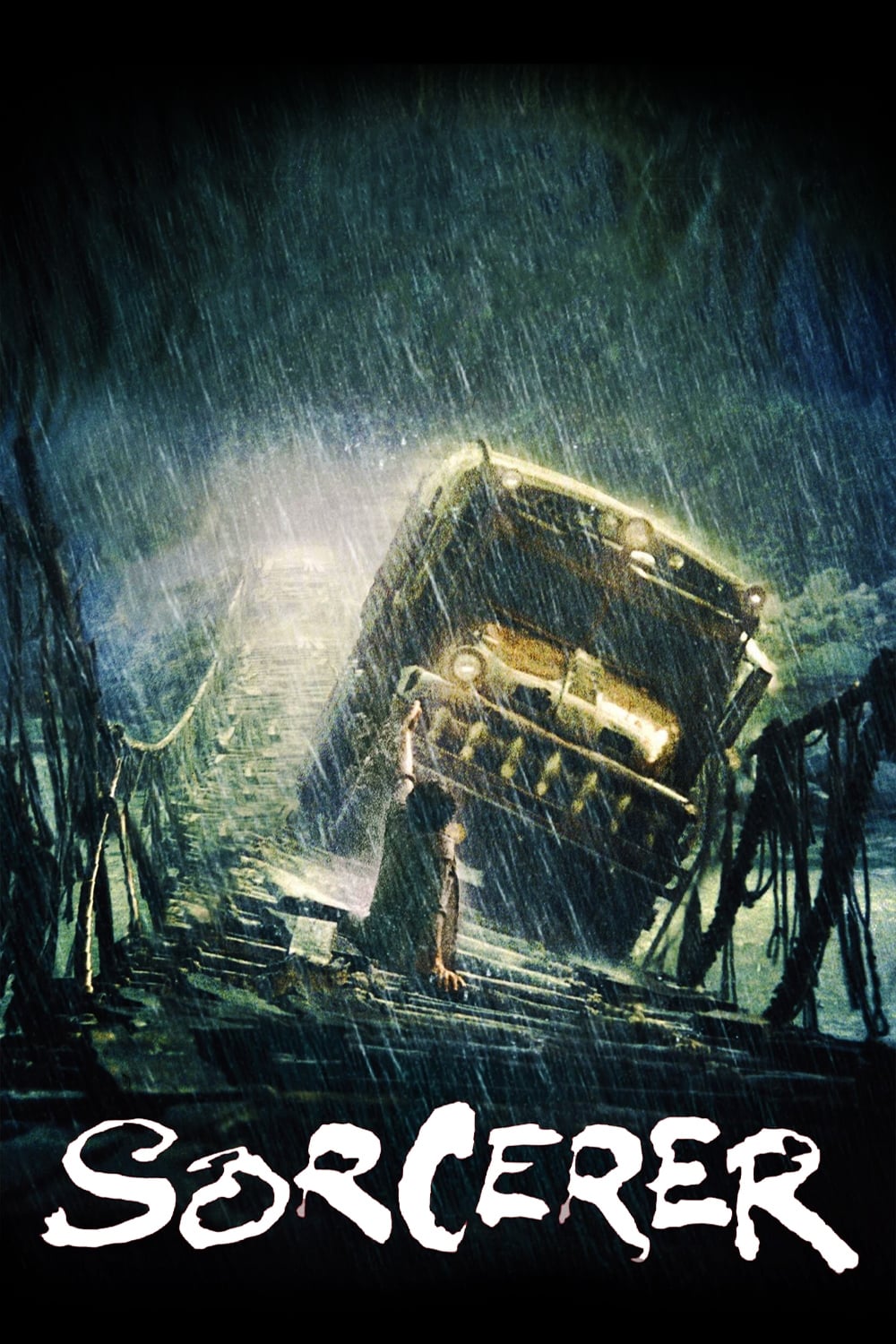
William Friedkin uniquely collaborated with the electronic band Tangerine Dream. He gave them the script and asked them to create music based on how they interpreted it. Remarkably, Tangerine Dream composed and recorded the entire score while on tour, without ever seeing any of the film’s footage. Friedkin then filmed the movie to perfectly align with the music’s driving electronic beat. This unusual process resulted in a dreamlike and unconventional atmosphere, setting it apart from most thrillers of the time.
‘Guardians of the Galaxy’ (2014)
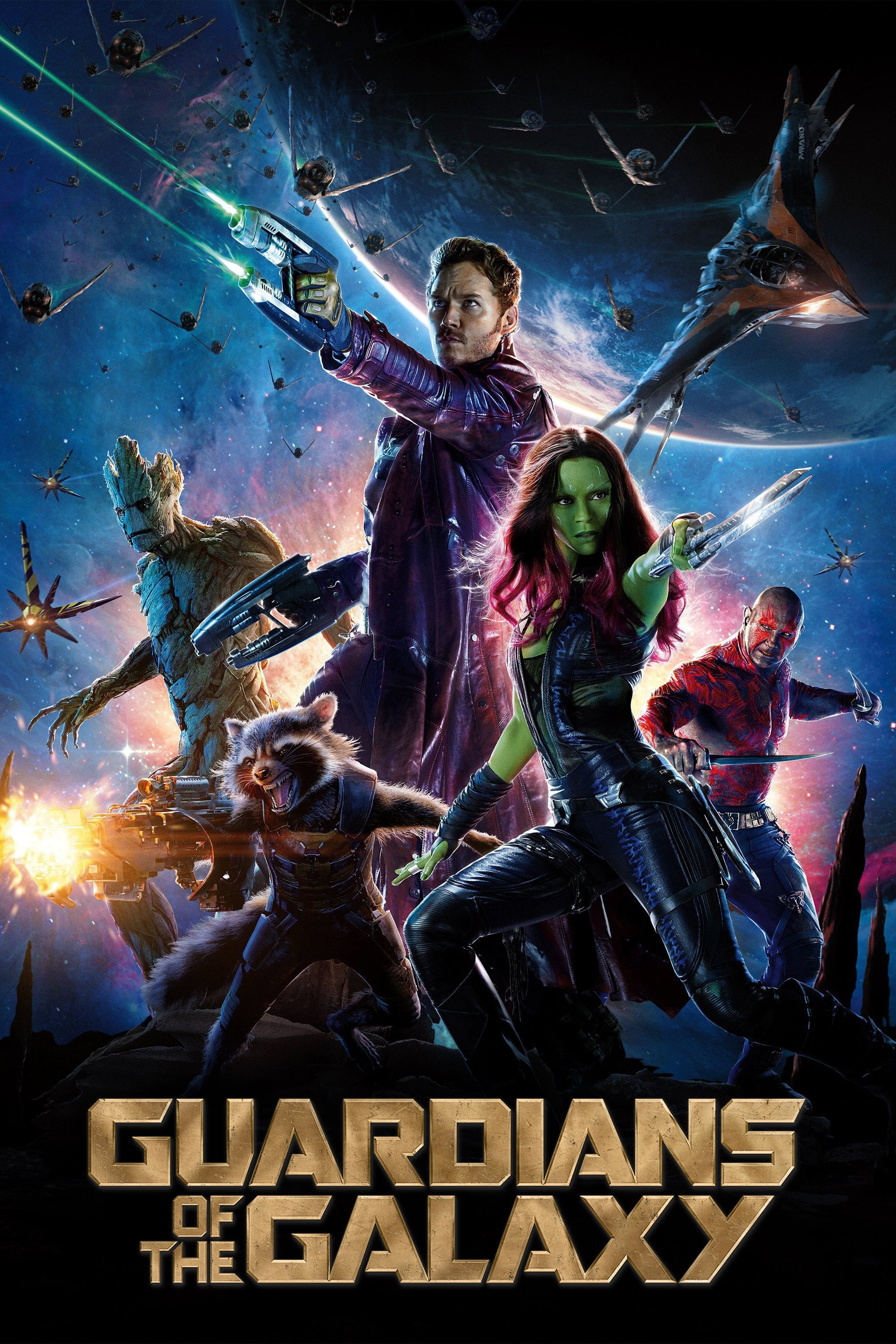
Before filming many of the big action scenes, composer Tyler Bates created the music to go with them. Director James Gunn then played this music for the actors on set to help them feel the right mood and energy. This made it easier for the actors to perform in sync with the film’s epic, space-adventure feel. It also streamlined the editing process later on, making it faster to assemble the action sequences.
‘The Conversation’ (1974)
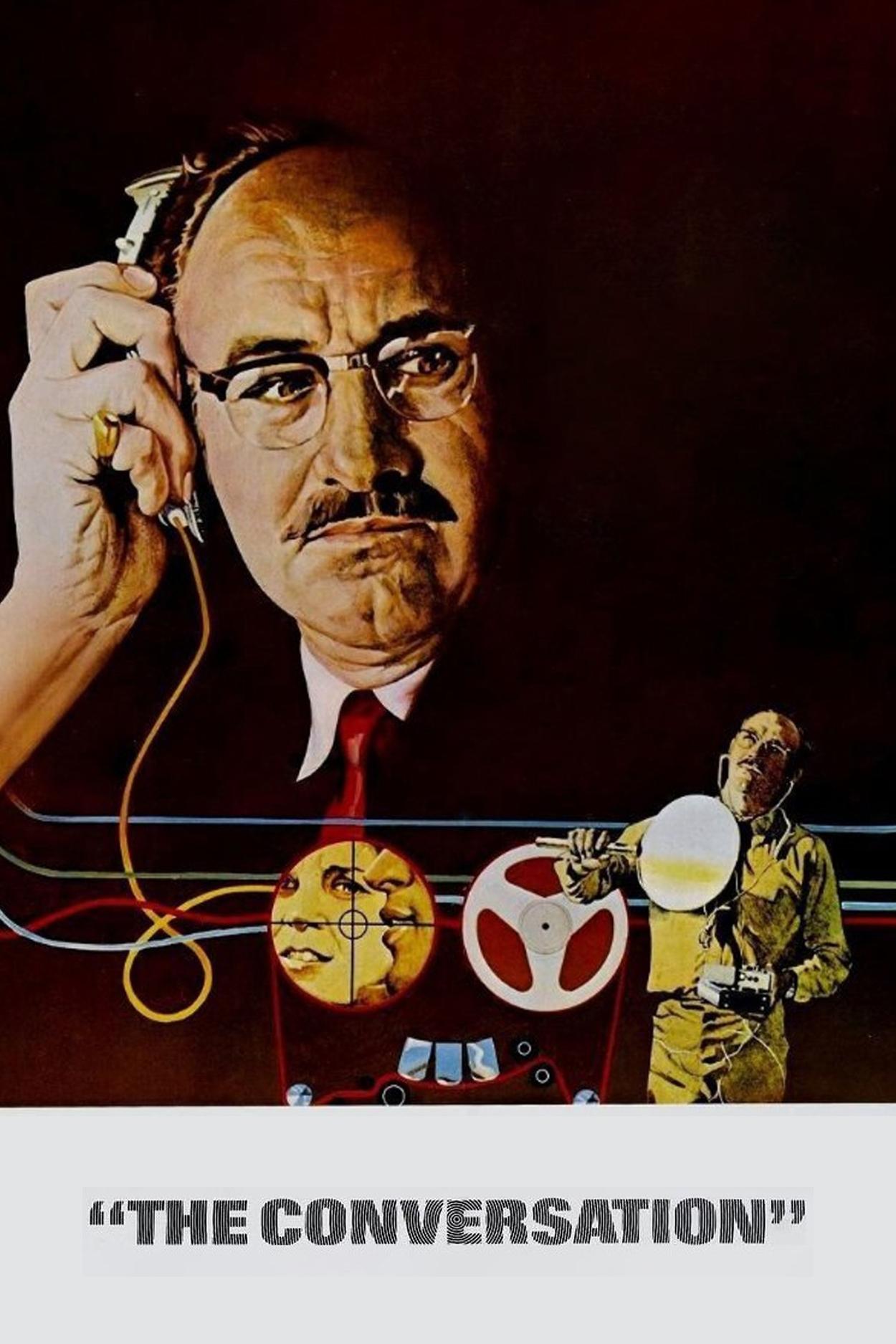
Before filming began, David Shire created a simple, melancholic piano piece to reflect the main character’s loneliness. Director Francis Ford Coppola shared this music with Gene Hackman throughout rehearsals and filming. It helped Hackman get into the head of his character, Harry Caul, a surveillance expert who feels increasingly paranoid. The quiet piano music perfectly captures the character’s inner world throughout the film.
‘Mishima: A Life in Four Chapters’ (1985)
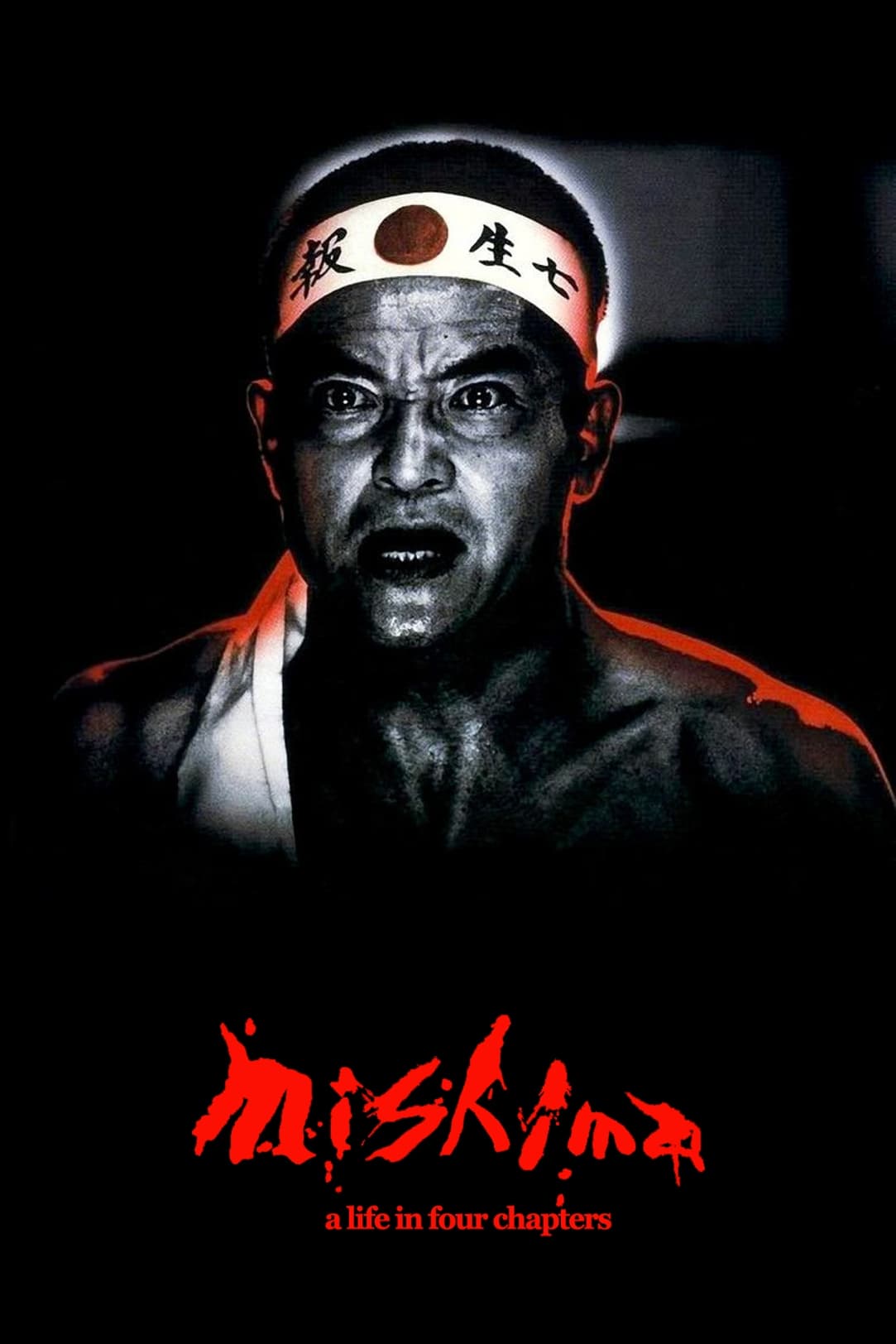
Philip Glass composed the music for this biopic very early in the filmmaking process, even before shooting began. Director Paul Schrader made the unusual choice to edit the film’s visuals to match the music’s rhythm and structure, instead of the other way around. The music ties together the film’s distinct sections, and this close collaboration between composer and director created a truly distinctive combination of images and sound.
‘Arrival’ (2016)
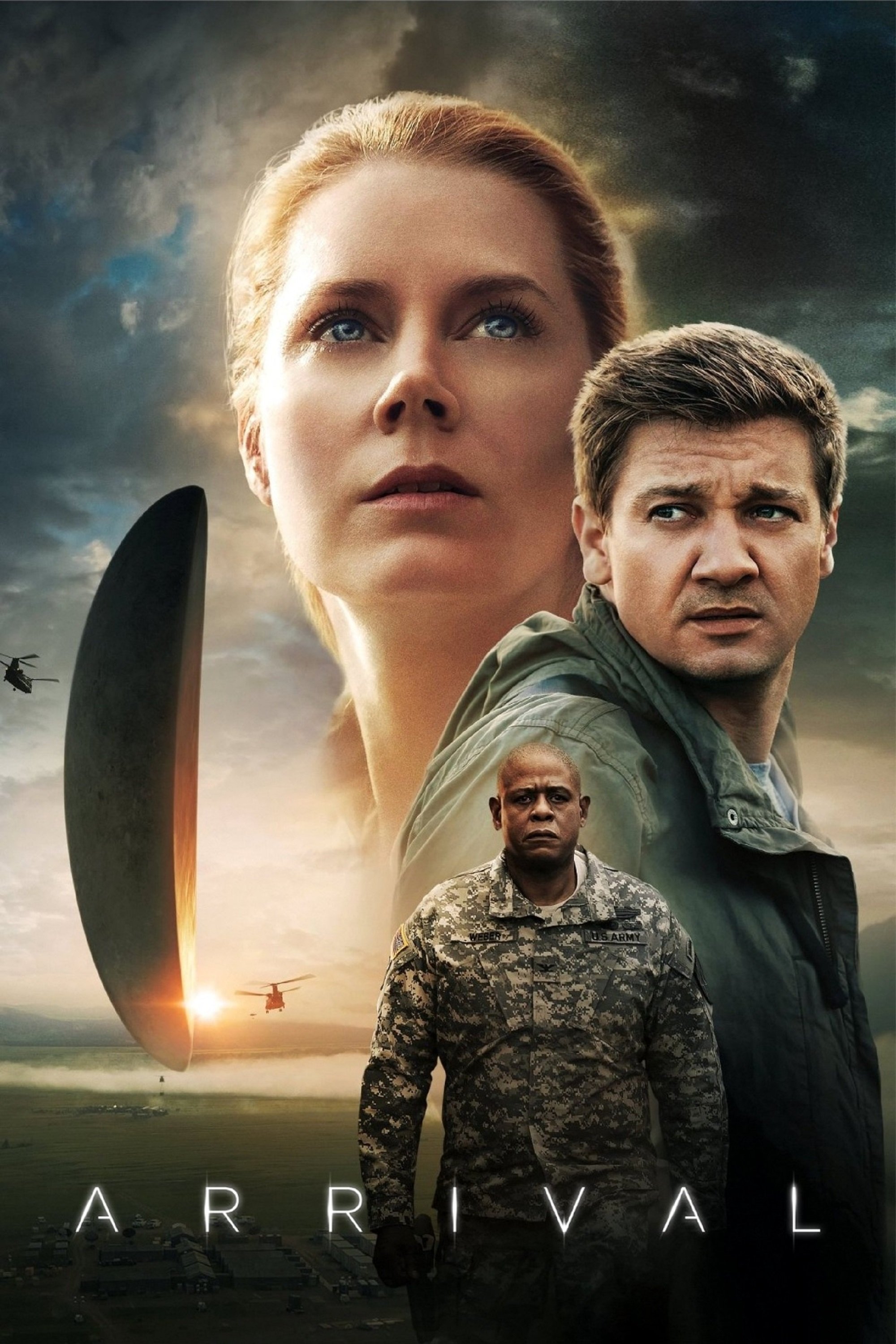
As soon as Denis Villeneuve gave Jóhann Jóhannsson the script, the composer began working on the music. He created eerie sounds and vocal loops before filming even started, establishing the film’s otherworldly feel. Villeneuve played these early pieces for the actors and crew on set to help create the right atmosphere. Because the music and visuals developed together, the final sound feels completely natural and integrated with the film’s mysterious imagery.
‘Phantom Thread’ (2017)
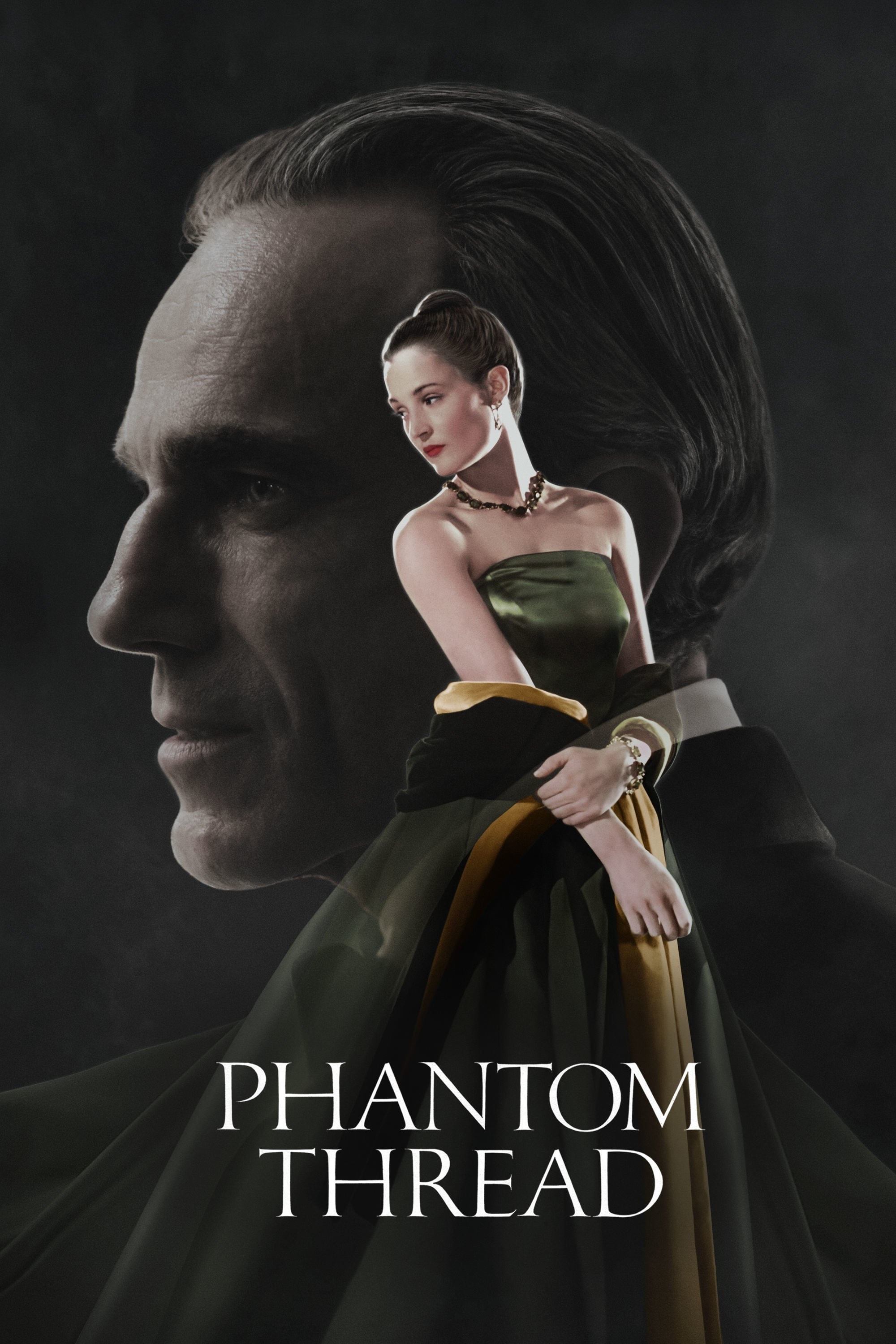
Before filming began, Jonny Greenwood shared piano recordings with director Paul Thomas Anderson. These beautiful, somewhat sad pieces helped Anderson create the right mood for the film, which is set in the 1950s fashion industry. The music was even played during filming to help the actors capture the subtle emotions of each scene. Ultimately, the score acts as a constant, haunting presence, reflecting the central relationship’s complexities.
‘Alexander Nevsky’ (1938)
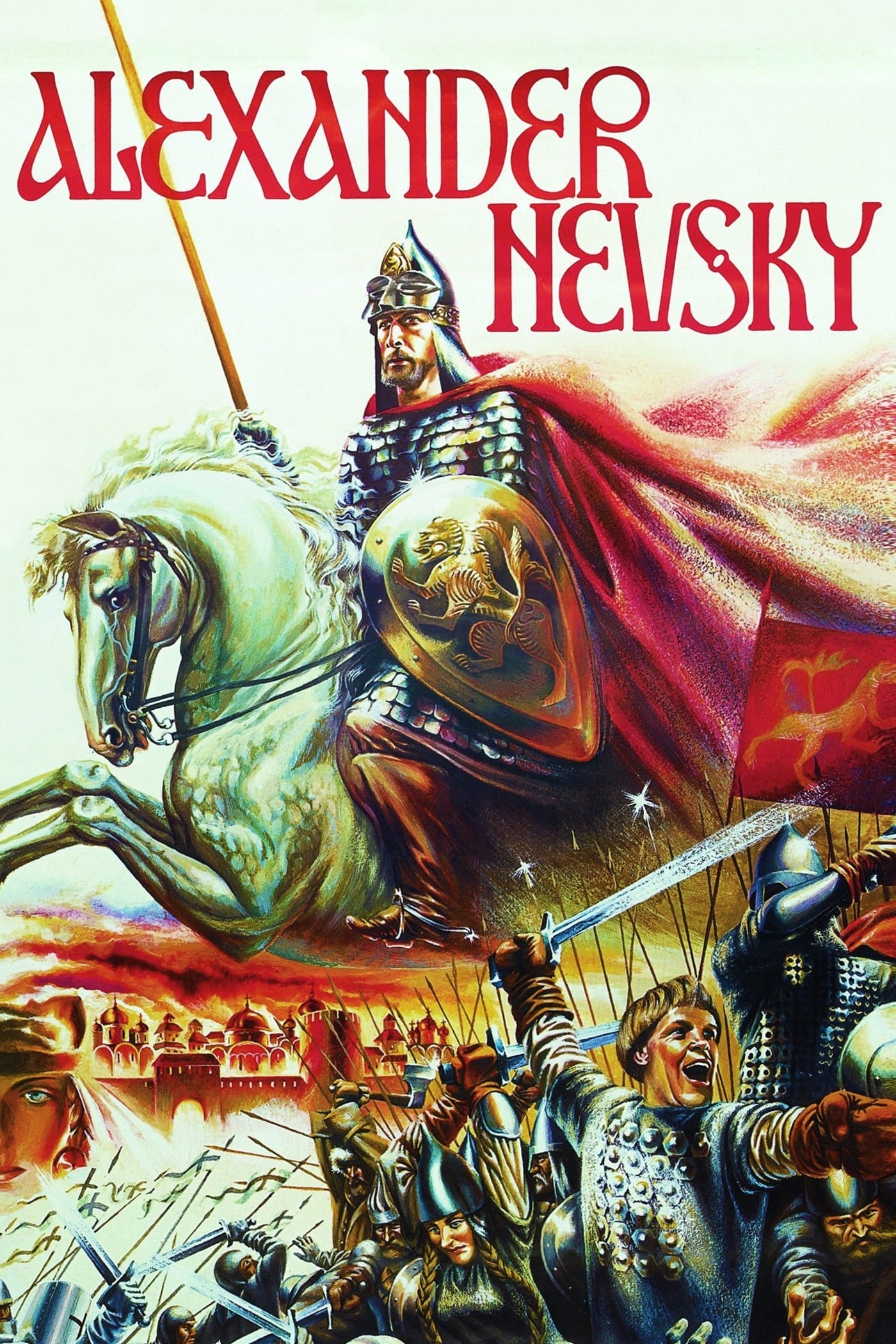
Sergei Eisenstein and Sergei Prokofiev collaborated in a groundbreaking way. Prokofiev wrote music inspired by Eisenstein’s early film plans and drawings. Eisenstein, in turn, edited the film with the same precise timing as the music. This innovative combination of sound and visuals resulted in a battle scene that is still considered a prime example of masterful film editing.
‘Dune’ (2021)
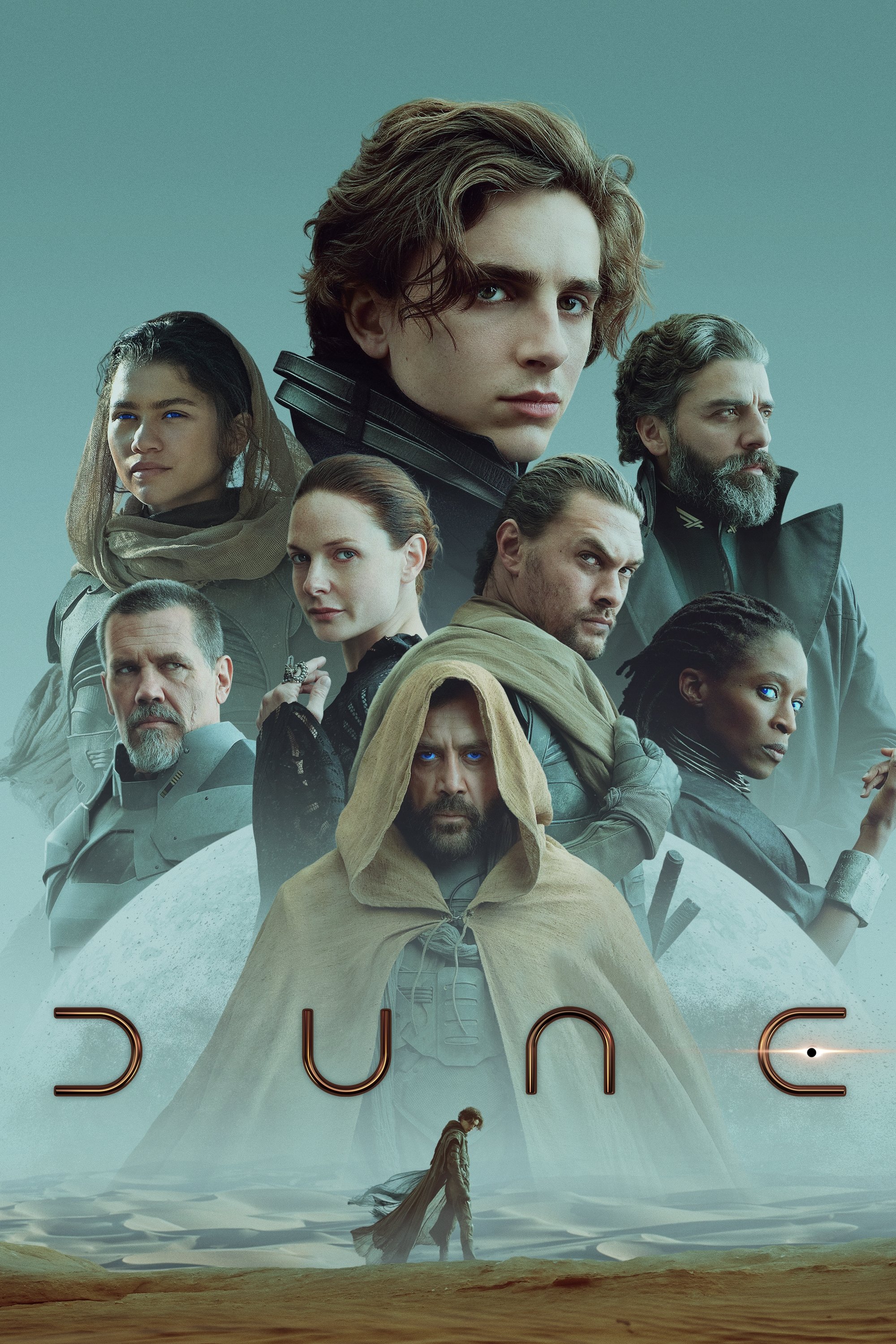
Before filming began, Hans Zimmer dedicated months to developing unique sounds and instruments. He aimed to create a distinctive soundscape for the planet Arrakis, moving beyond typical orchestral music. Director Denis Villeneuve then used these early sound explorations as inspiration for the film’s visuals and overall mood. This approach resulted in a score that feels both timeless and otherworldly, as it served as the base upon which the entire world was built.
Tell us which of these musical masterpieces is your favorite in the comments.
Read More
- Top 20 Dinosaur Movies, Ranked
- 20 Movies Where the Black Villain Was Secretly the Most Popular Character
- 25 “Woke” Films That Used Black Trauma to Humanize White Leads
- Celebs Who Narrowly Escaped The 9/11 Attacks
- Silver Rate Forecast
- Gold Rate Forecast
- Spotting the Loops in Autonomous Systems
- From Bids to Best Policies: Smarter Auto-Bidding with Generative AI
- 22 Films Where the White Protagonist Is Canonically the Sidekick to a Black Lead
- Can AI Lie with a Picture? Detecting Deception in Multimodal Models
2025-12-10 20:45