
As a fan, it’s really frustrating to see anime adaptations sometimes change character designs from the original manga or novels. One thing I’ve noticed a lot is how characters who were clearly Black or had darker skin tones in the source material are often made much lighter-skinned in the anime. It feels like it takes away from the diversity the creator intended and erases important parts of their identity. I’ve put together some examples of times this has happened with characters who were originally inspired by Black people, and the difference is pretty noticeable.
‘Berserk’ (2016)
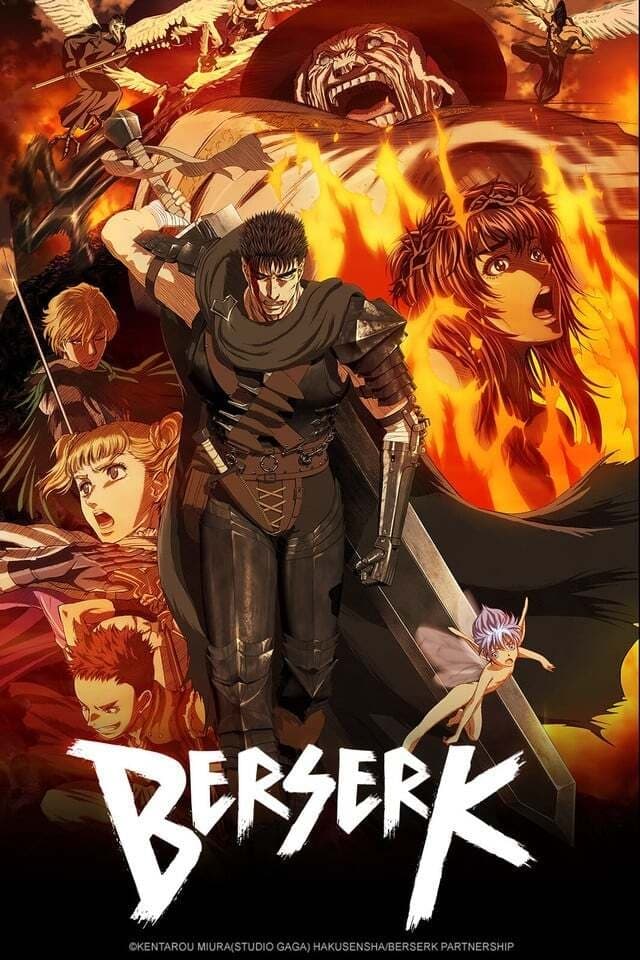
The 2016 TV series of this fantasy story received a lot of criticism for how it portrayed the character Casca. In the original manga and the 1997 anime, Casca had dark brown skin. However, the 2016 series made her skin pale, which fans felt erased her unique features and didn’t match how she was originally designed. Many viewers pointed out that this change made her less recognizable and went against established details from the source material.
‘One Piece’ (1999–Present)
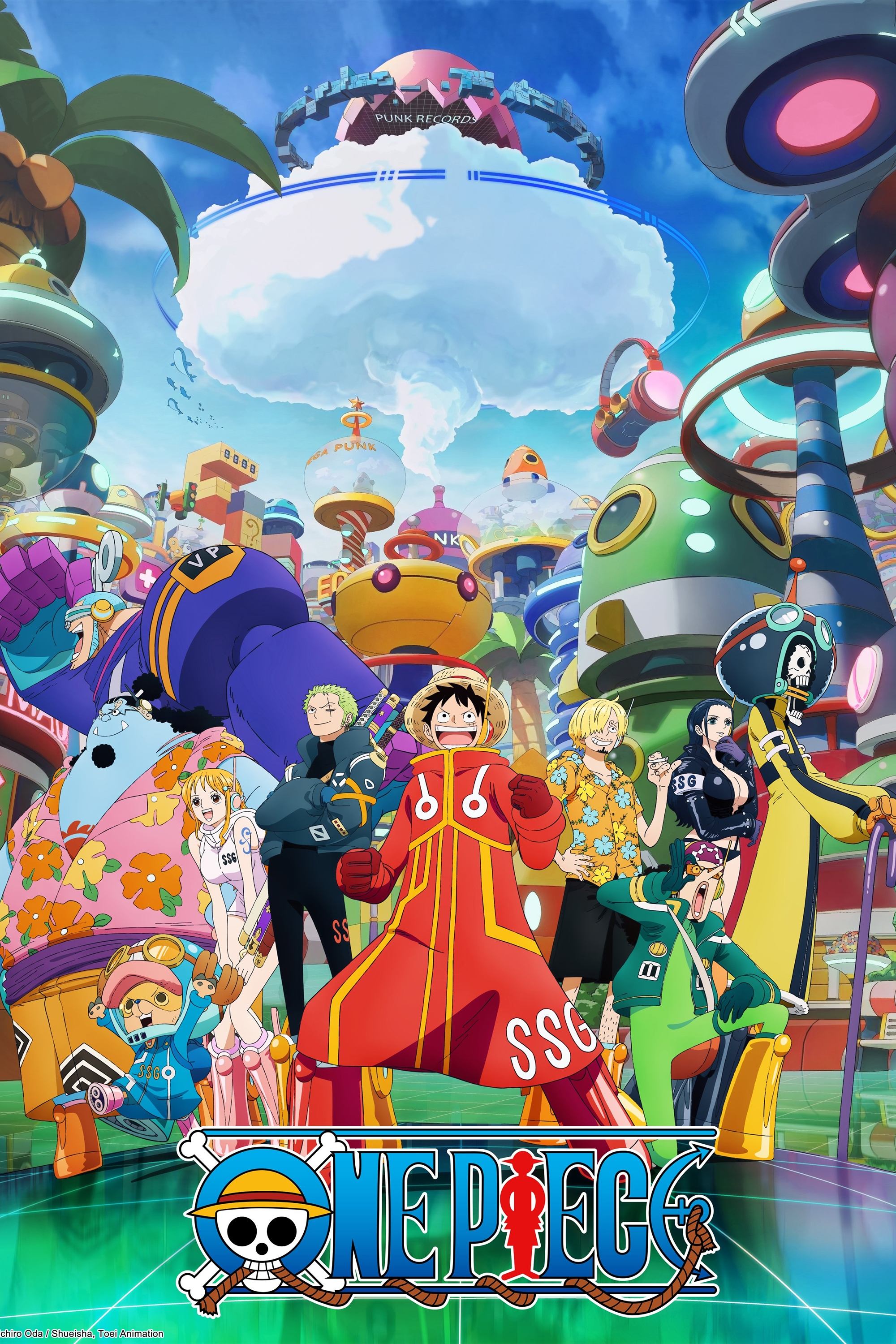
In interviews, One Piece creator Eiichiro Oda revealed that Usopp would be African if the story were set in the real world. However, the anime often portrays him with light skin, which doesn’t match this description. The manga sometimes shows him with darker skin, but the anime’s depiction is inconsistent. The recent live-action series addressed this by casting a Black actor for the role, better reflecting Oda’s original vision.
‘Sailor Moon’ (1992–1997)
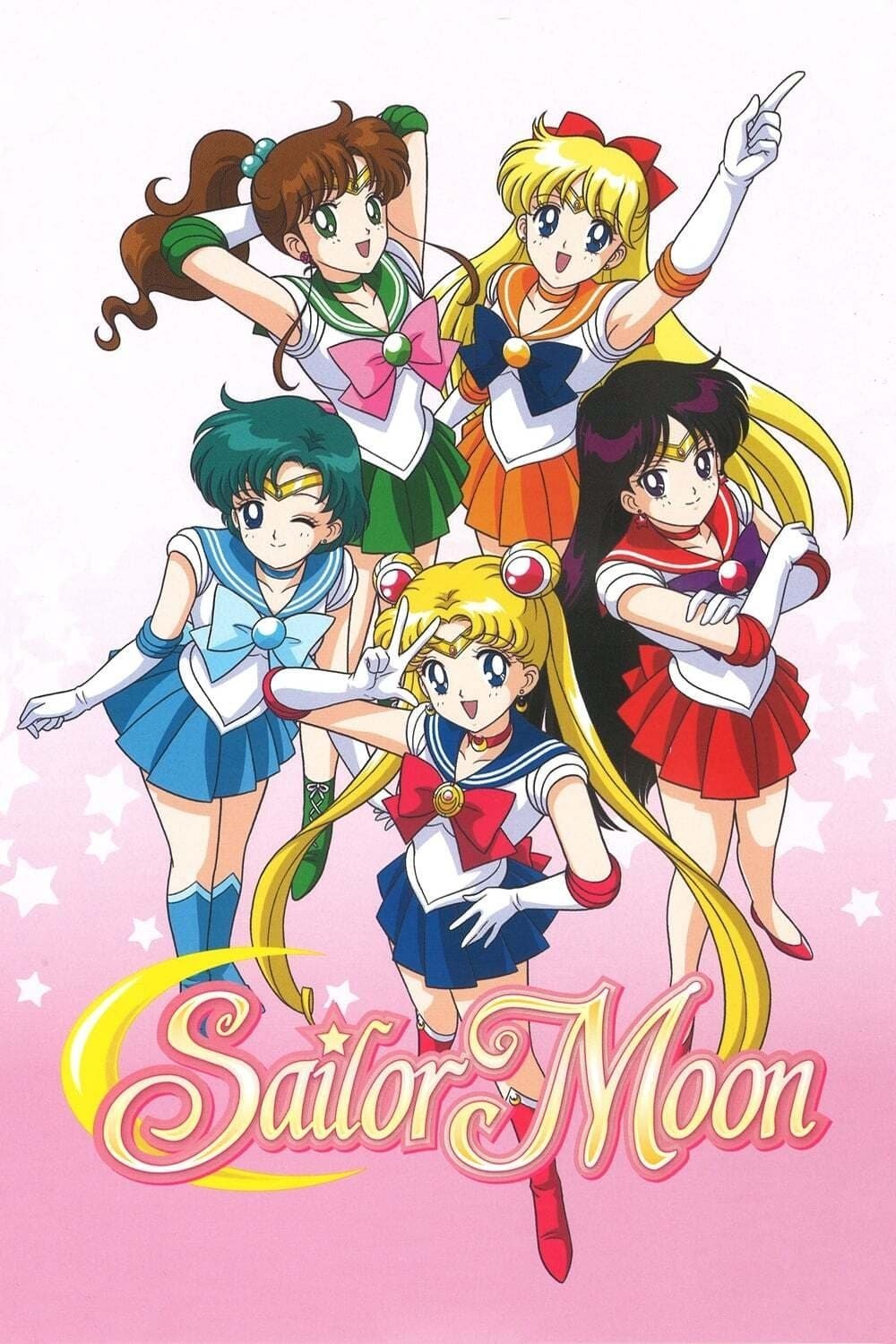
In the original ‘Sailor Moon’ manga, Setsuna Meioh was depicted with noticeably darker skin compared to the other Sailor Guardians. However, the anime series from the 1990s changed this, giving her the same pale skin tone as the other characters. This removed a key visual feature that made Setsuna stand out, as the Guardian of Time. Thankfully, later versions like ‘Sailor Moon Crystal’ brought back her original, darker skin tone, staying true to the manga.
‘Bleach’ (2004–2012)
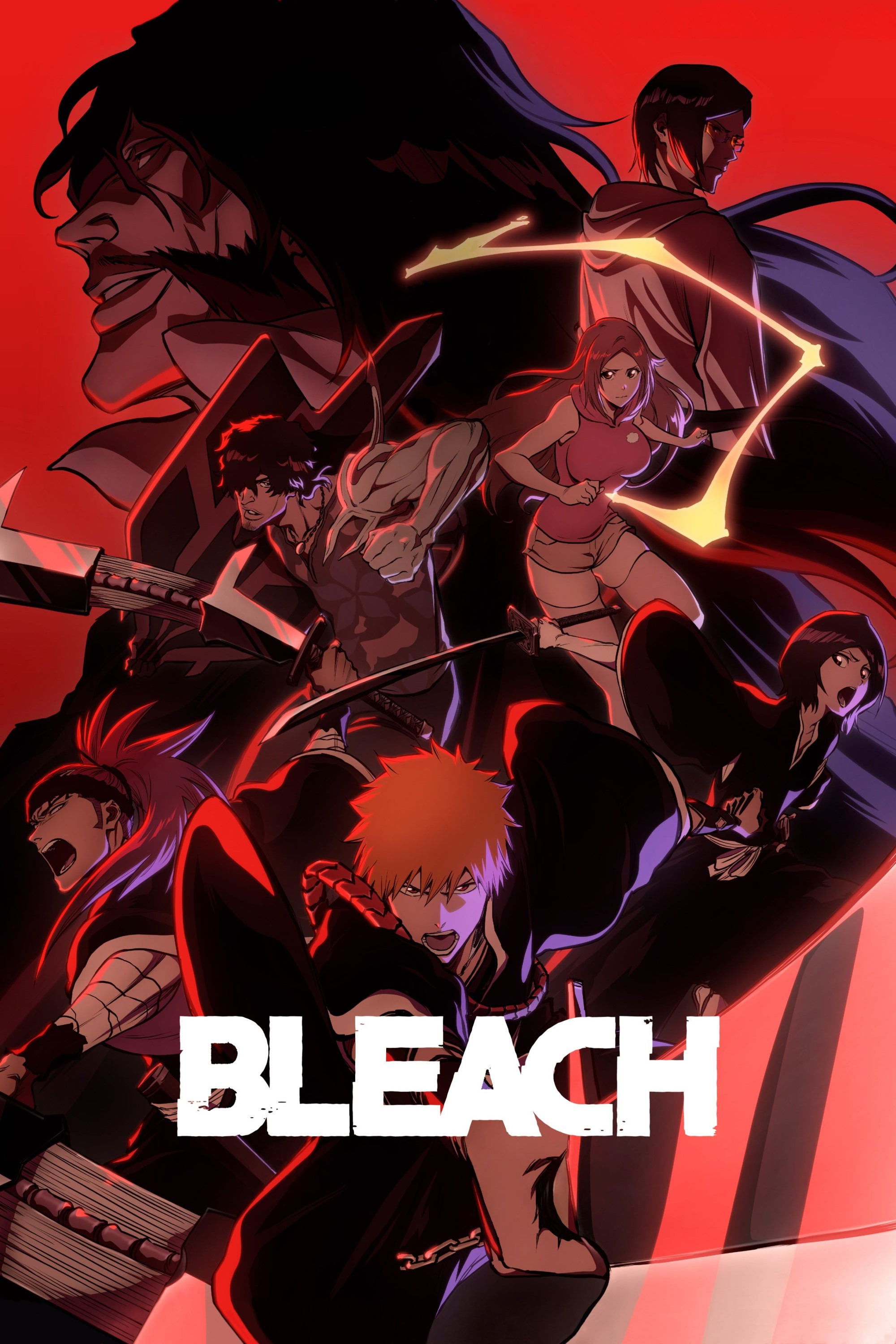
The character Yoruichi Shihouin is originally shown with dark brown skin in the manga’s colored illustrations. However, the anime version noticeably lightened her skin tone to a lighter tan, losing much of the richness of the original design. This change has continued in things like merchandise and promotional artwork for the series. The anime’s visual portrayal of Yoruichi doesn’t have the same strong contrast as the character’s initial design by creator Tite Kubo.
‘My Hero Academia’ (2016–Present)
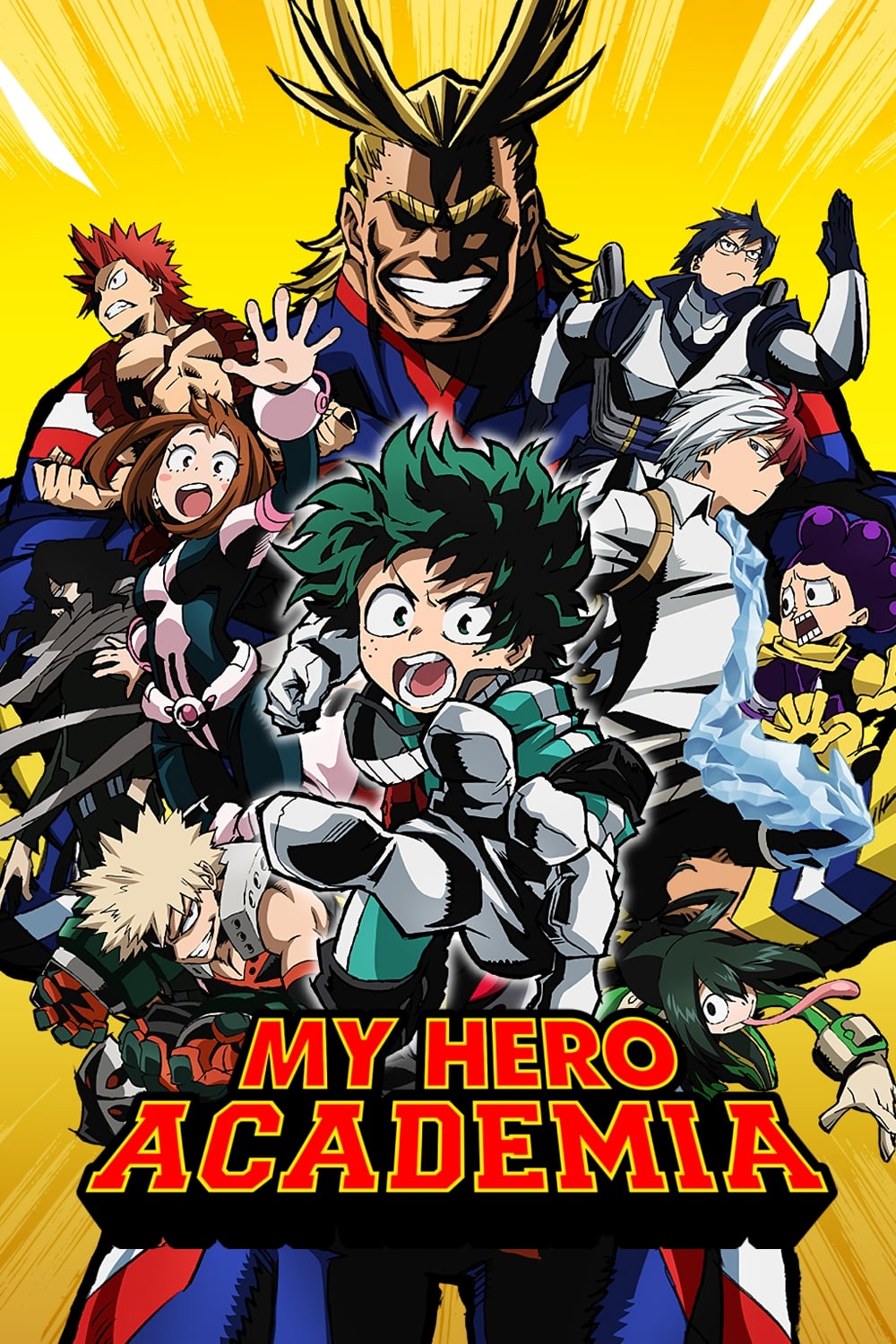
Mirko, a popular character in the manga, is known for her strong physique and dark skin. However, the anime adaptation by Studio Bones noticeably lightened her skin tone, giving her a simple tan instead of the deep brown seen in the original manga. The manga’s creator, Kohei Horikoshi, consistently depicted her with dark skin in covers and sketches. This change in the anime’s color scheme diminished a key part of her original design and frustrated many fans.
‘Nadia: The Secret of Blue Water’ (1990–1991)
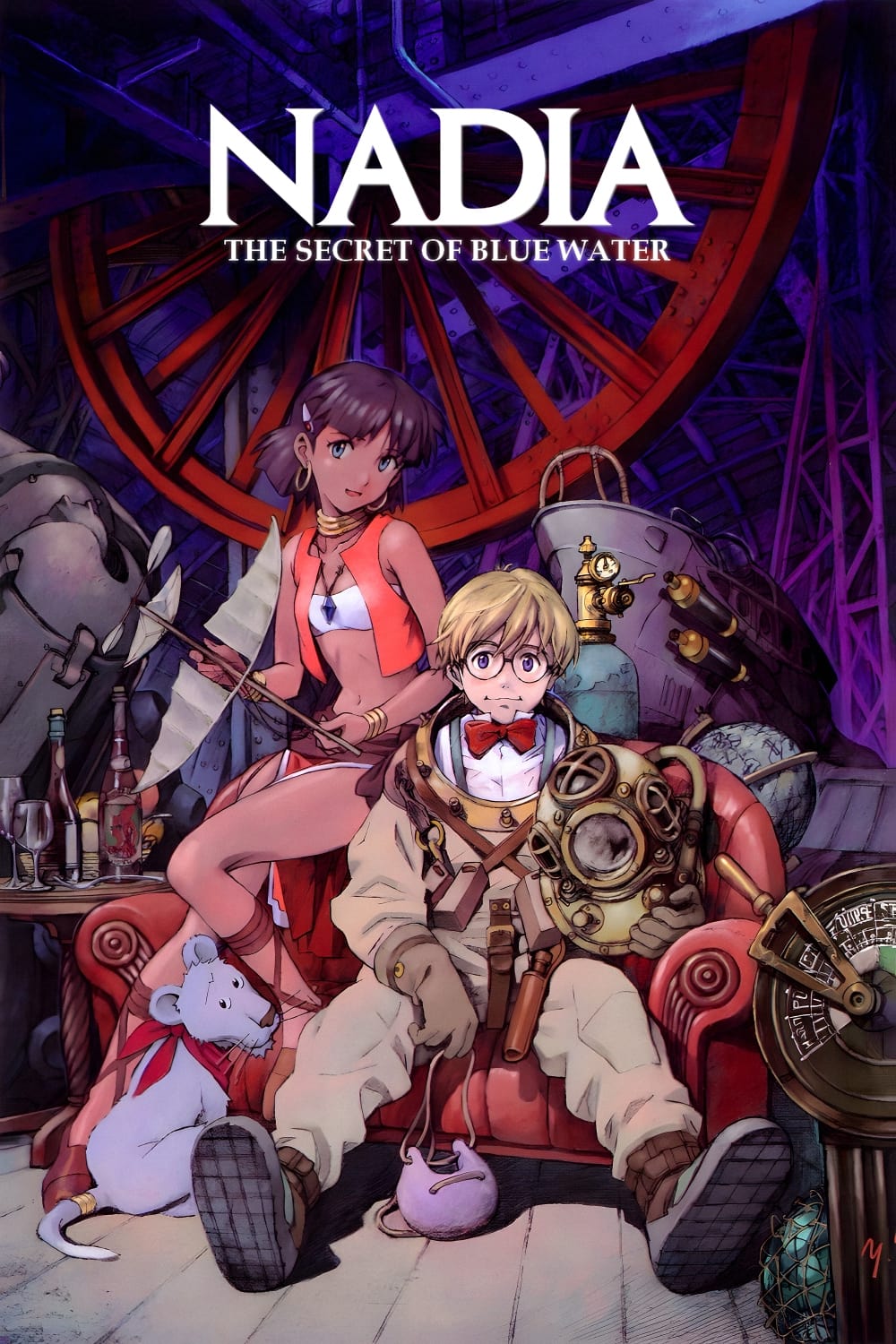
The show has a main character who is Black and whose skin tone remains consistent throughout the series. However, promotional materials and the movie based on the show often showed her with much lighter skin. This change upset fans because her heritage is an important part of her backstory. The movie poster, in particular, caused controversy by presenting a version of the character that completely disregarded her original appearance and identity.
‘Hunter x Hunter’ (2011–2014)
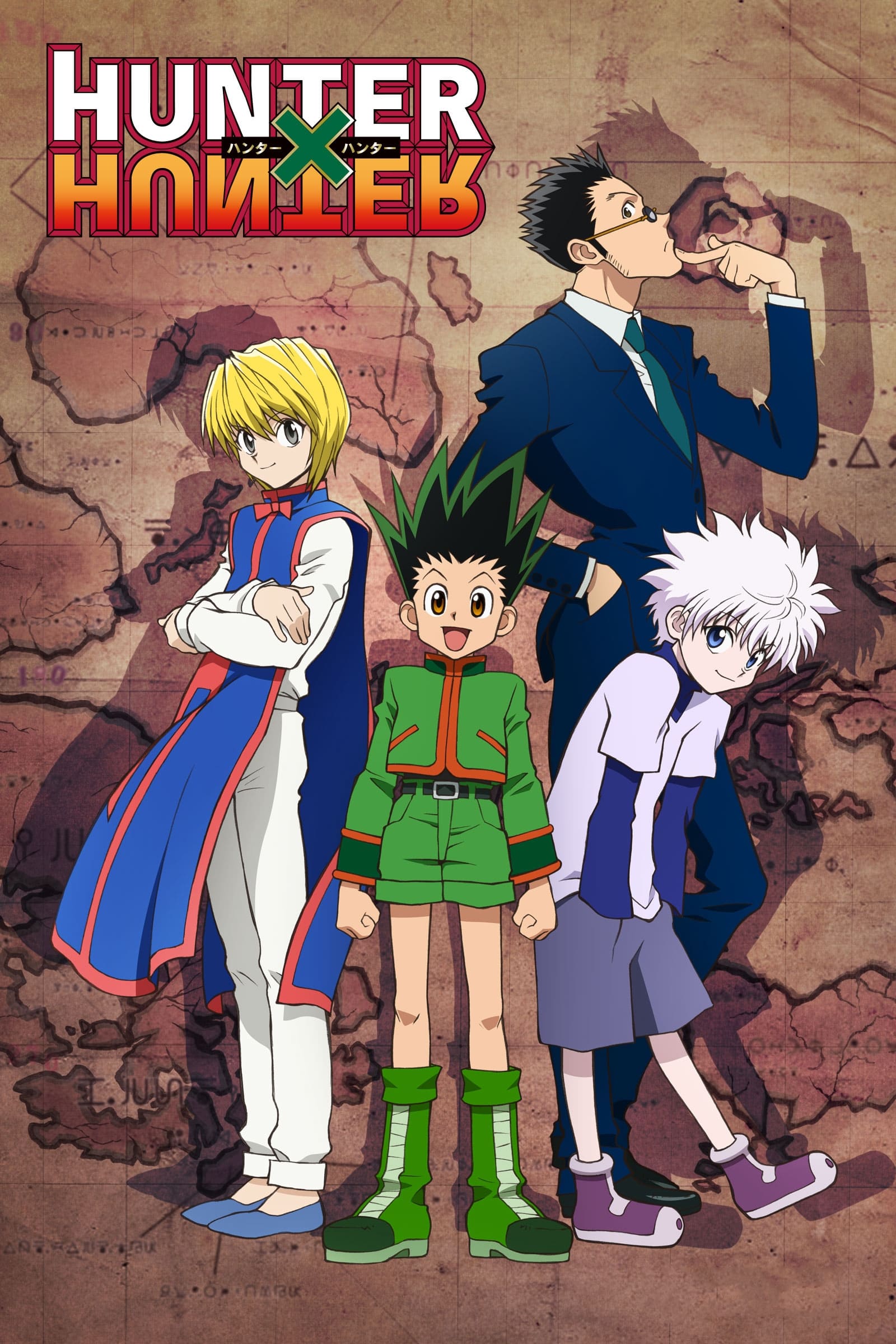
In the manga, Canary, the Zoldyck family’s butler, is depicted as a young girl with dark skin and distinctly African features. However, the 2011 anime adaptation significantly lightened her skin tone, making it appear almost pale, especially in well-lit scenes. This change diminished the visual contrast between Canary and the fair-skinned Zoldyck family members. While her hairstyle remained the same, the anime version lost the depth of her original skin tone as envisioned by the author.
‘Fullmetal Alchemist: Brotherhood’ (2009–2010)
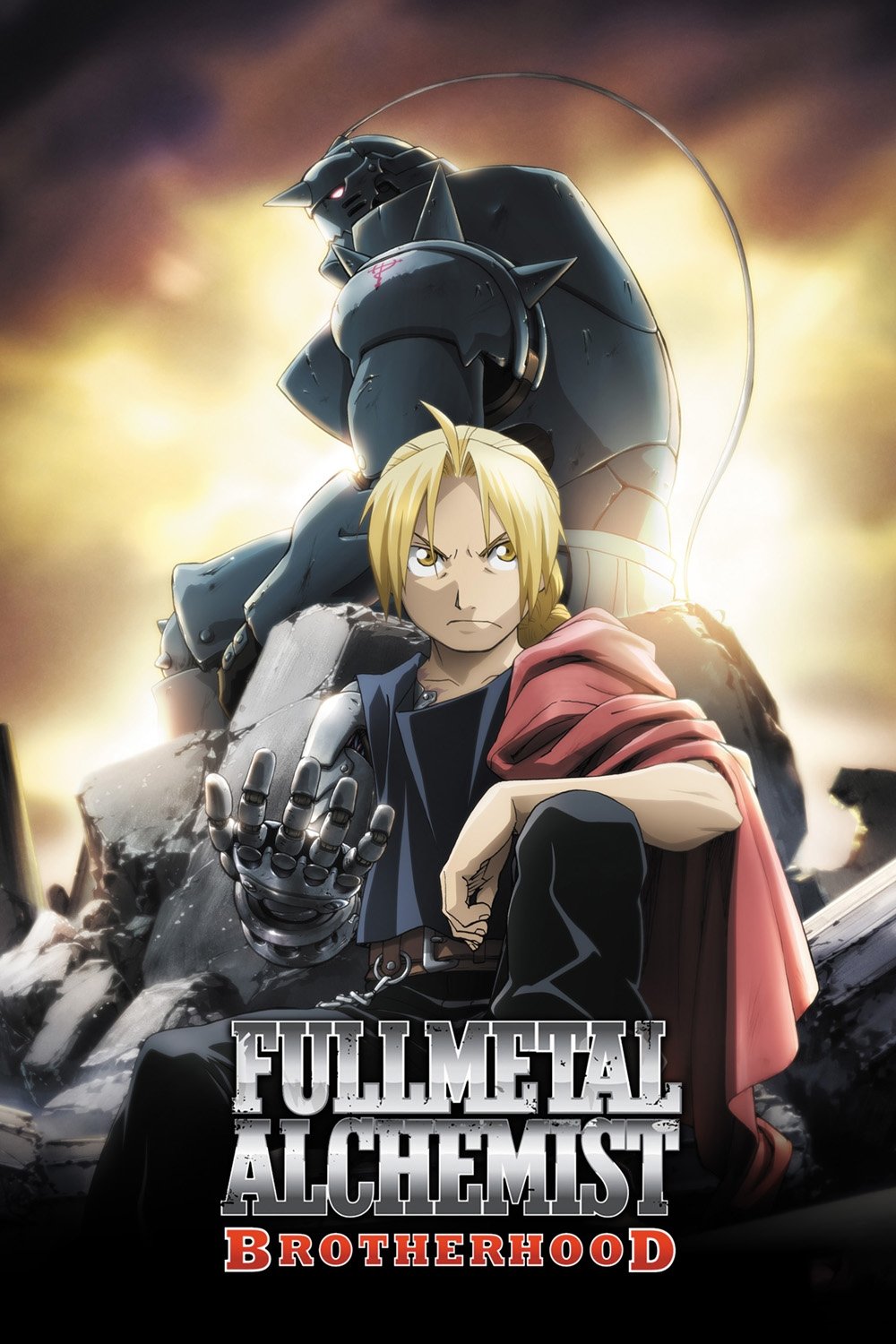
As a fan, I’ve noticed something interesting about how the Ishvalan people are portrayed. In the original manga, they’re clearly depicted as a minority group with brown skin and red eyes. But when the anime was made, they changed Scar’s coloring to be more grayish or light tan, which was different from the richer, darker tones in the manga artwork. I think this change actually impacts how we see the story, especially when it comes to understanding the racial persecution the Ishvalan people faced. The anime just didn’t quite capture the distinct brown skin tone that was so clear in the manga’s covers and art books.
‘Soul Eater’ (2008–2009)
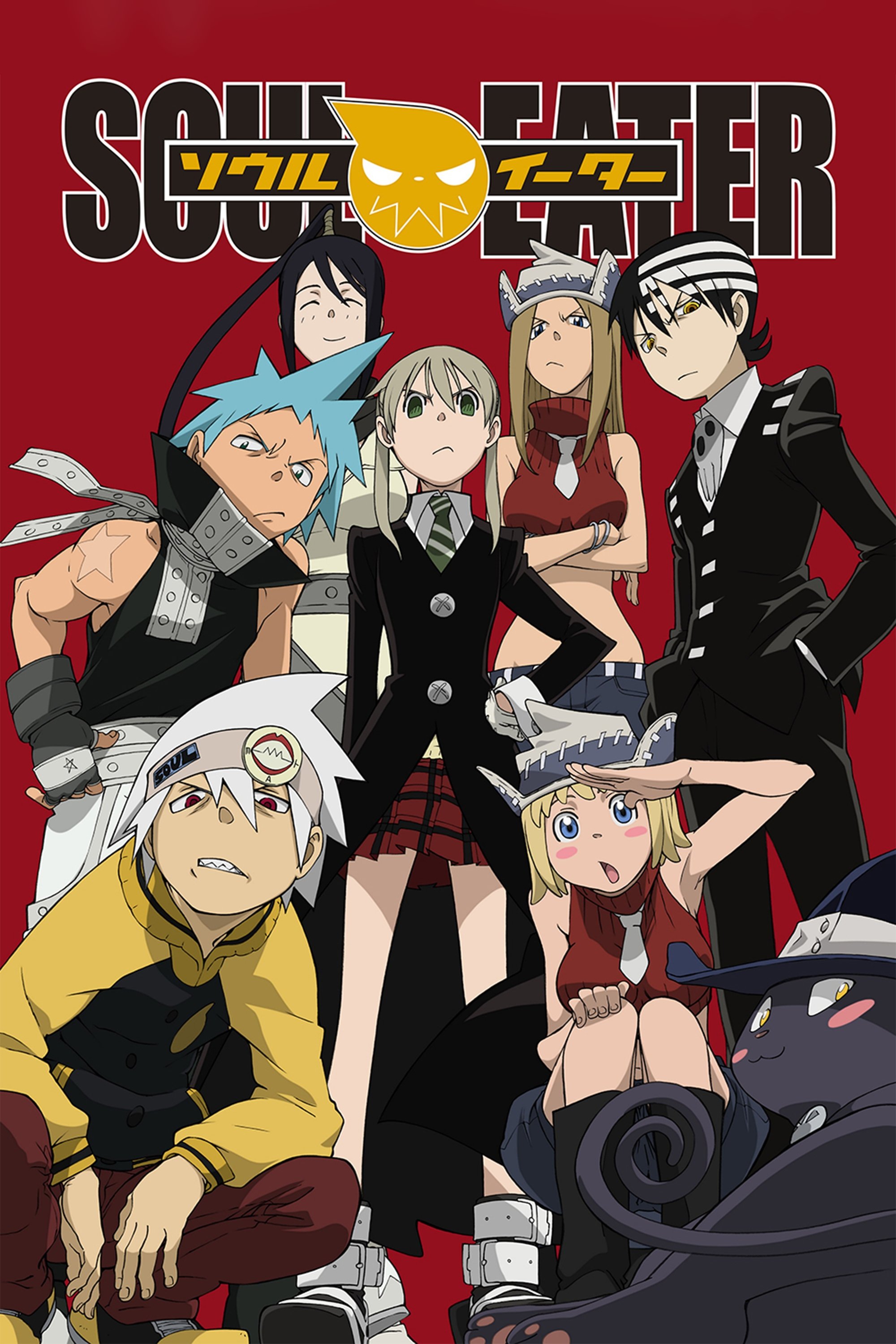
Kilik Rung is a notable Black character in the series, and his design is heavily influenced by hip hop. The anime version noticeably lightened his skin tone compared to the darker shade used in the original manga artwork by Atsushi Ohkubo. While the anime kept his overall style, this change in complexion has been a source of debate among fans comparing the two versions.
‘Revolutionary Girl Utena’ (1997)
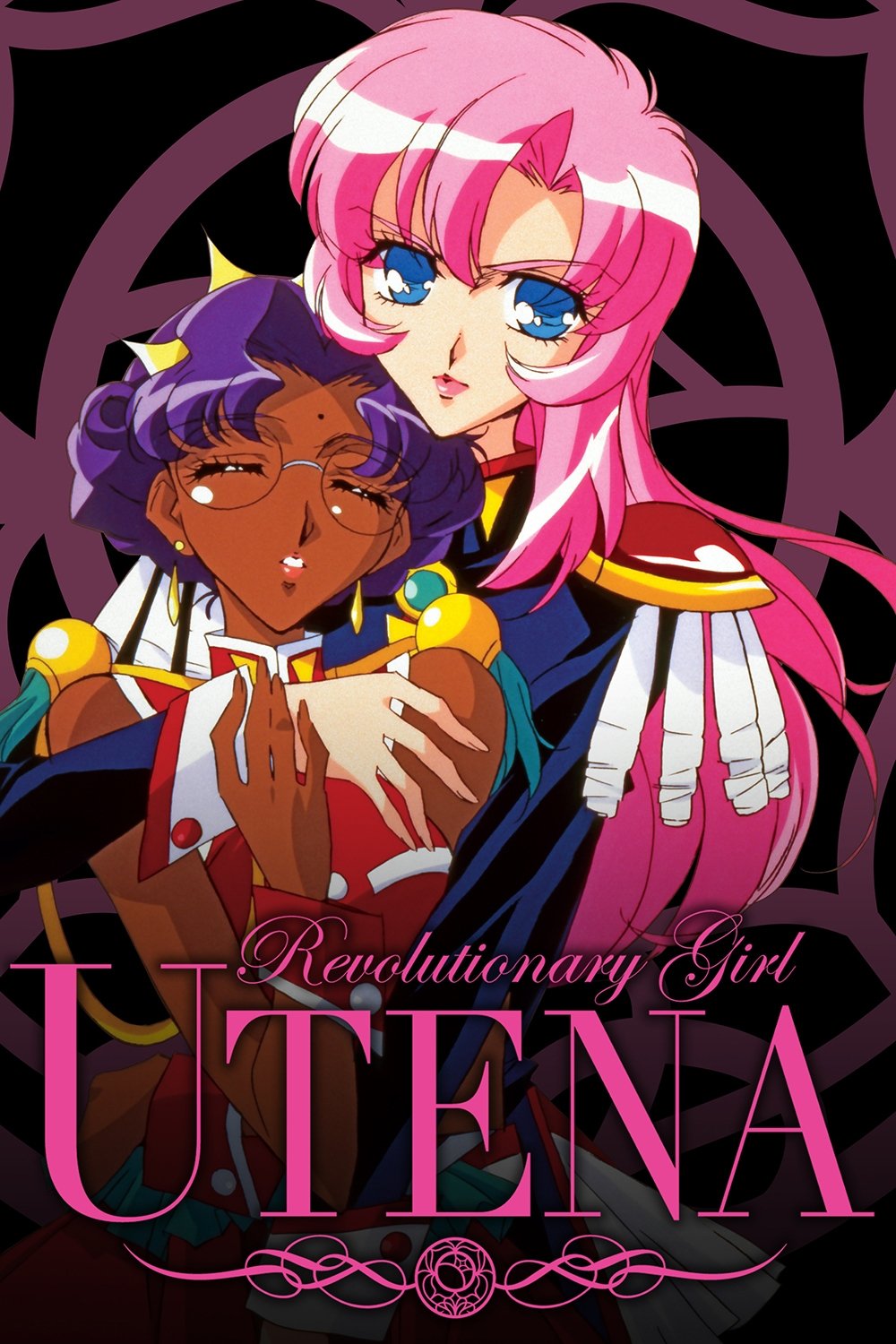
Anthy Himemiya, a character in a television series, is identifiable by her dark skin. However, the 1999 movie version of the story significantly altered her appearance by lightening her skin tone to a much paler shade. This change was made despite her dark skin being an important part of her original character design, and the film offered no explanation for the alteration.
‘Darker Than Black’ (2007)
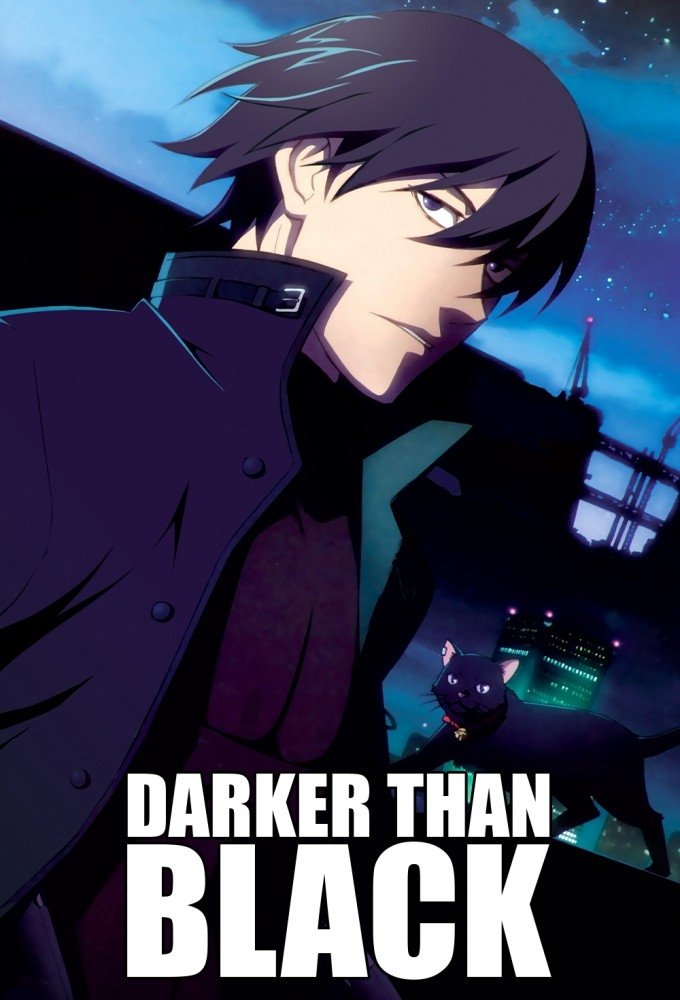
April, a character featured in promotional artwork and early designs, was originally envisioned with dark skin and bright blue hair. However, the way scenes were lit in the anime itself often made her appear much paler than intended. The striking contrast between her hair and skin tone was a key part of her design, but unfortunately, this contrast wasn’t consistently maintained throughout the animation process.
‘Sword Art Online’ (2012–Present)

Andrew Gilbert Mills, a supporting character named Agil, owns a shop within the virtual world depicted in the story. While the original book illustrations show him with a realistic brown skin tone reflecting his African-American background, the anime series portrays him with a paler, less detailed shade of brown. This change in coloring reduces the diversity of the characters as they were originally presented in the book’s artwork.
‘Black Lagoon’ (2006)
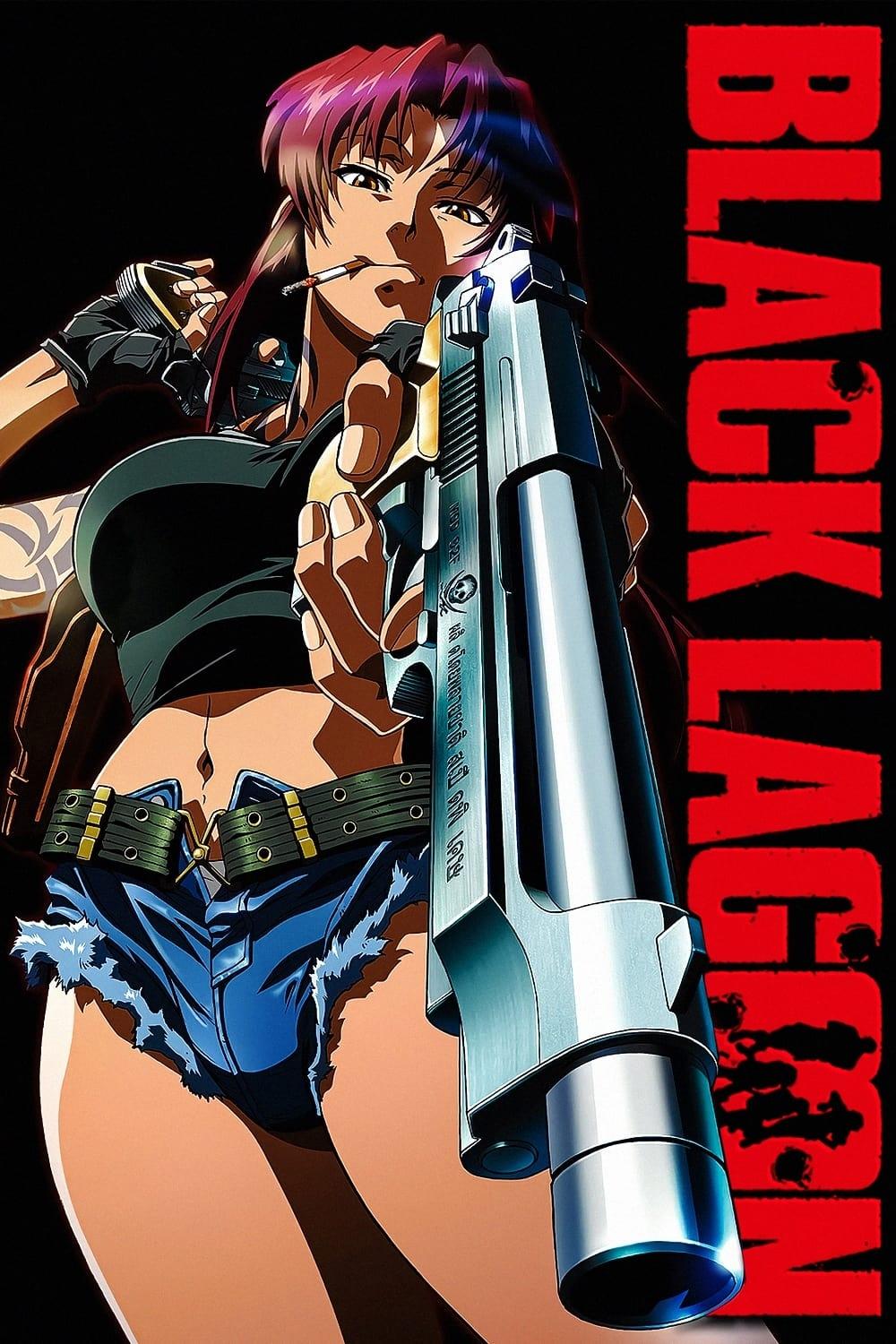
I’ve noticed something about Dutch from Lagoon Company that really stands out to me. He’s a powerful character, a Black Vietnam vet, and the anime does a good job showing what he looks like. However, I’ve always felt like they lighten his skin tone a lot compared to how he’s drawn in the manga. In the manga, his darker skin is a really important part of his look and helps tell his story. But in the anime, the lighting often makes him look much lighter, almost a medium tan, which feels like a missed opportunity to really represent his character as intended.
‘Pokémon’ (1997–Present)

Lenora, a gym leader in the Pokémon games, was originally designed with dark skin and a distinctive apron. However, the anime version of the character changed her appearance, first by lightening her skin tone and later by removing the apron altogether. These changes happened after some people raised concerns about what the original design might suggest. As a result, the anime version of Lenora looked quite different from how she first appeared in the games, and many felt the changes weren’t needed for a character who was seen as representing Black culture.
Tell us which of these adaptations surprised you the most in the comments.
Read More
- Invincible Season 4 Gender Swaps Tech Jacket As Fans Question Major Comic Change
- Gold Rate Forecast
- Silver Rate Forecast
- 15 Films That Were Shot Entirely on Phones
- 22 Films Where the White Protagonist Is Canonically the Sidekick to a Black Lead
- Building Agents That Learn and Improve Themselves
- 20 Movies Where the Black Villain Was Secretly the Most Popular Character
- Celebs Who Narrowly Escaped The 9/11 Attacks
- Games That Faced Bans in Countries Over Political Themes
- 20 Films Where Black Directors Subverted Hollywood’s White Savior Tropes
2025-12-02 18:16