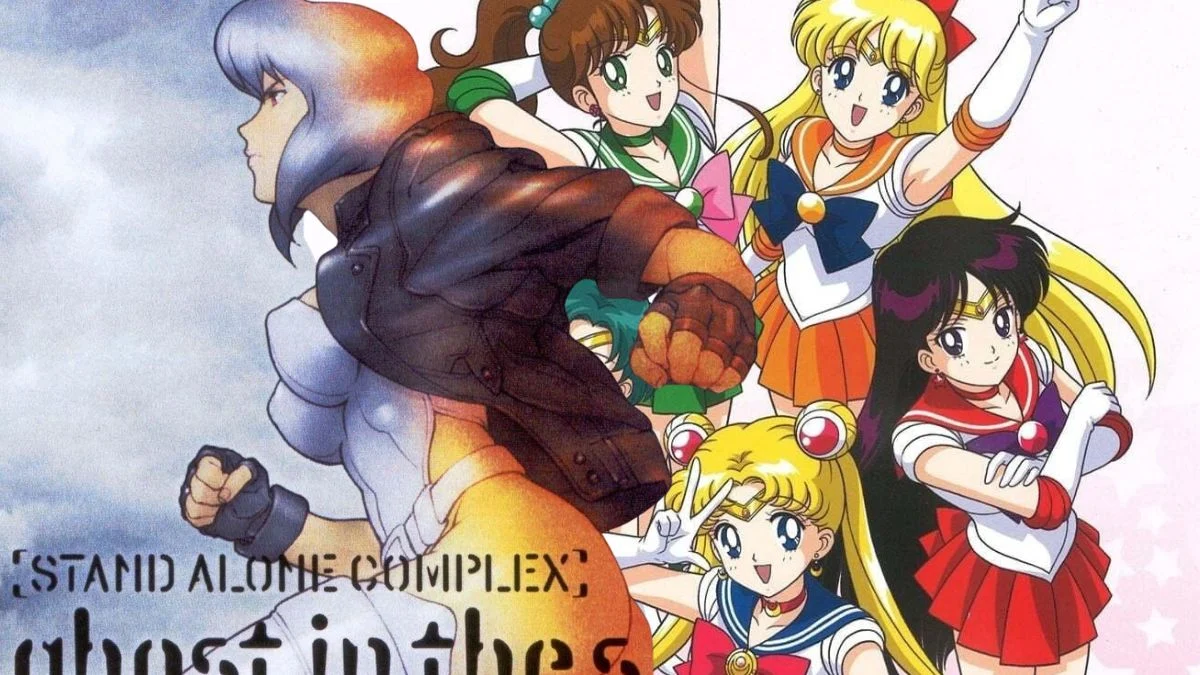
As a longtime anime fan, I’ve always loved how it tackled things like gender and sexuality way before a lot of Western shows did. It’s amazing looking back at some of the older classics and realizing how many characters showed attraction to people of all genders – and they didn’t even need to put a label on it! Sometimes it was just hinted at in action shows, and other times it was a big part of a really moving love story. Anime just gave creators a chance to explore these ideas with characters you really connected with, and it felt so genuine and emotionally powerful.
‘The Rose of Versailles’ (1979–1980)

Oscar François de Jarjeyes was raised as a male heir to lead the Royal Guard, but throughout the story, she lives as a woman. She has a deep and heartbreaking romance with her childhood friend, André Grandier, and a strong attraction to the Swedish nobleman Hans Axel von Fersen, which creates a lot of conflict. Oscar is remembered as a groundbreaking character in anime for challenging traditional ideas about gender and love.
‘Sailor Moon’ (1992–1997)
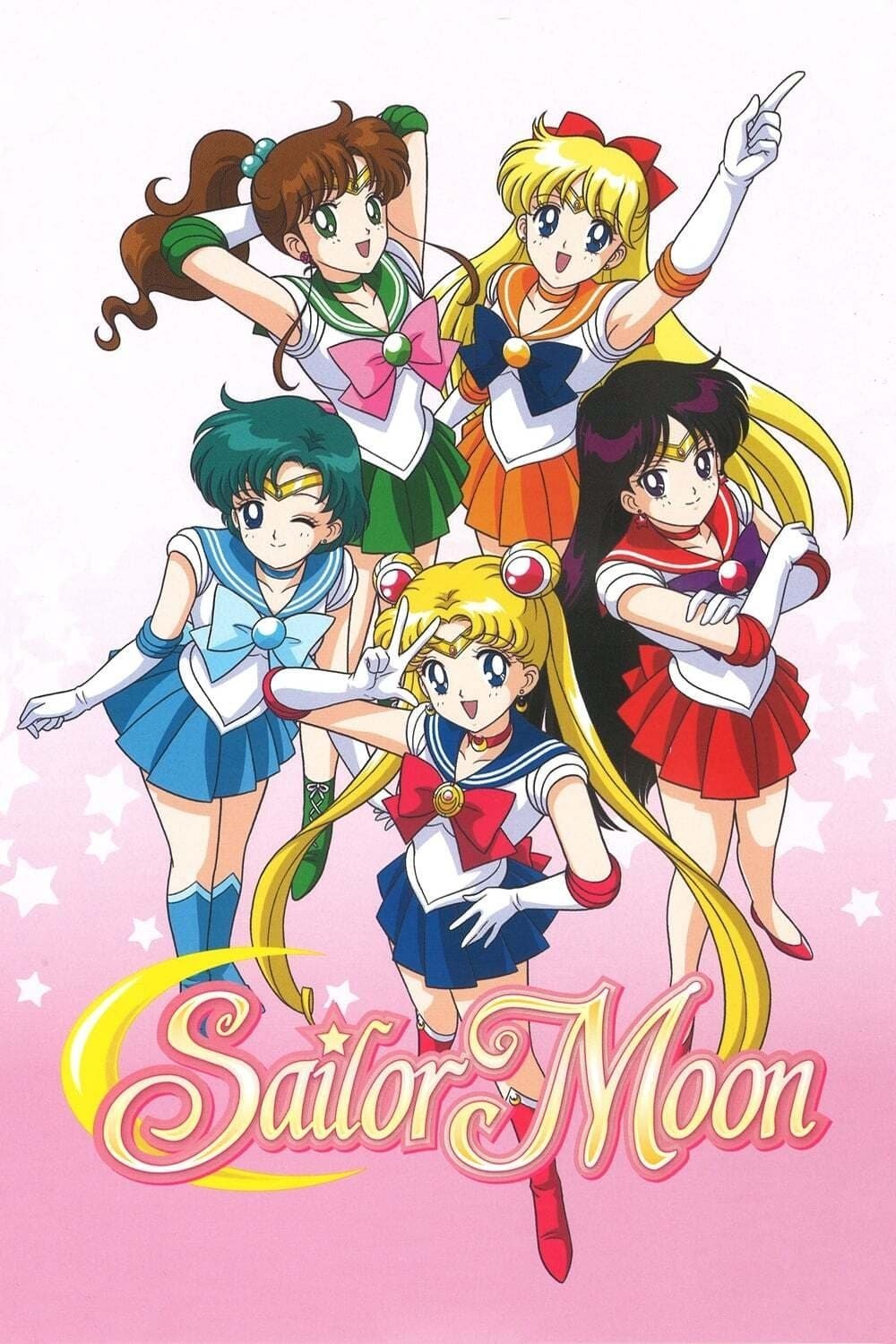
Usagi Tsukino is famous for her love story with Mamoru Chiba, but she’s attracted to others as well. She clearly shows excitement around the strong and confident Sailor Uranus, and is also drawn to the androgynous Sailor Starlights. This classic magical girl series subtly showed that crushes can be fluid, alongside its themes of friendship and fate.
‘Neon Genesis Evangelion’ (1995–1996)
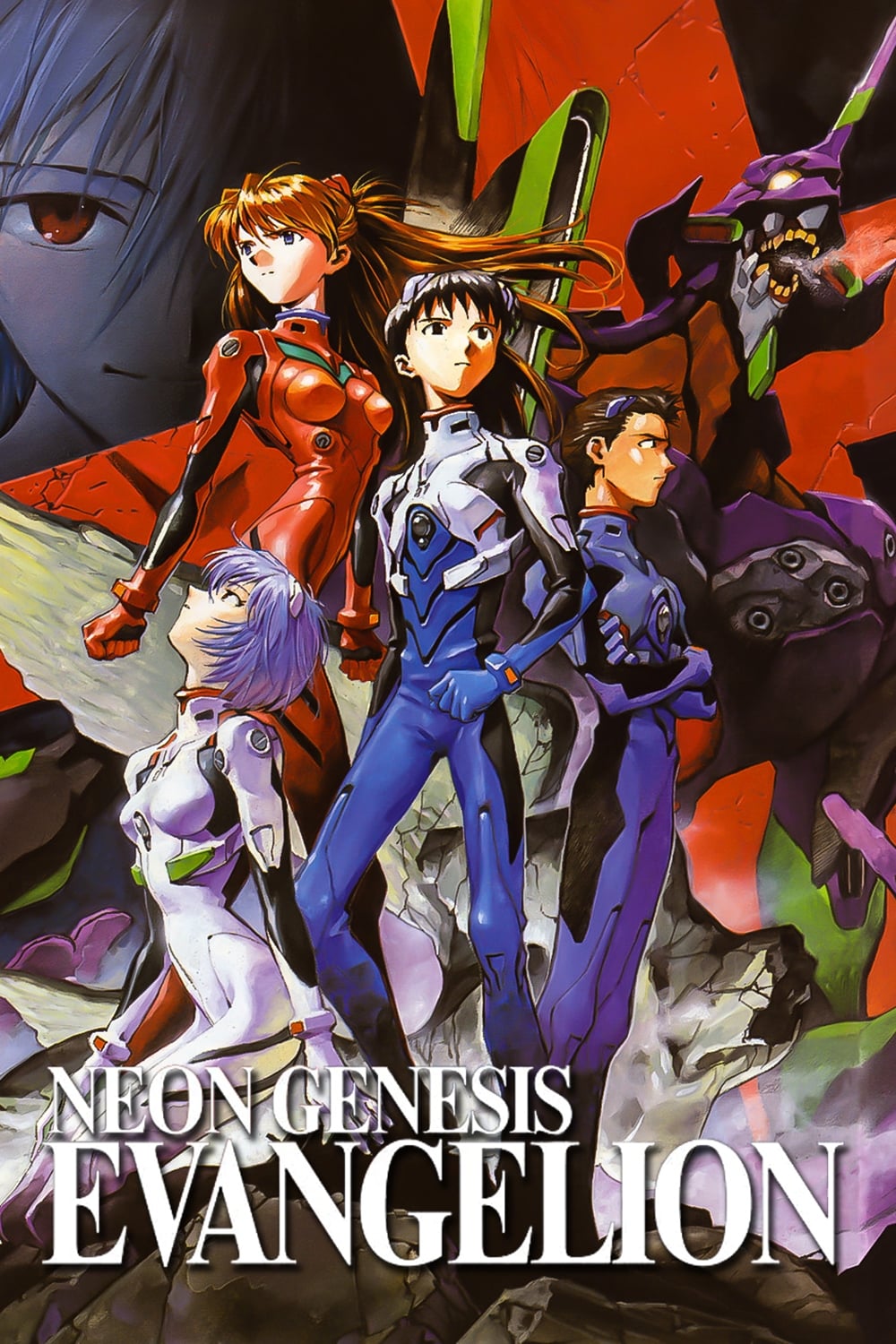
Throughout this complex and thought-provoking series, Shinji Ikari deals with feelings of loneliness and a desire for connection. His troubled relationships with fellow pilots Asuka and Rei are central to his teenage struggles. When Kaworu Nagisa appears, Shinji finds the unconditional love and closeness he’s been longing for. This connection proves Shinji is capable of love and affection, regardless of a person’s gender, though the situation is ultimately heartbreaking.
‘Berserk’ (1997)
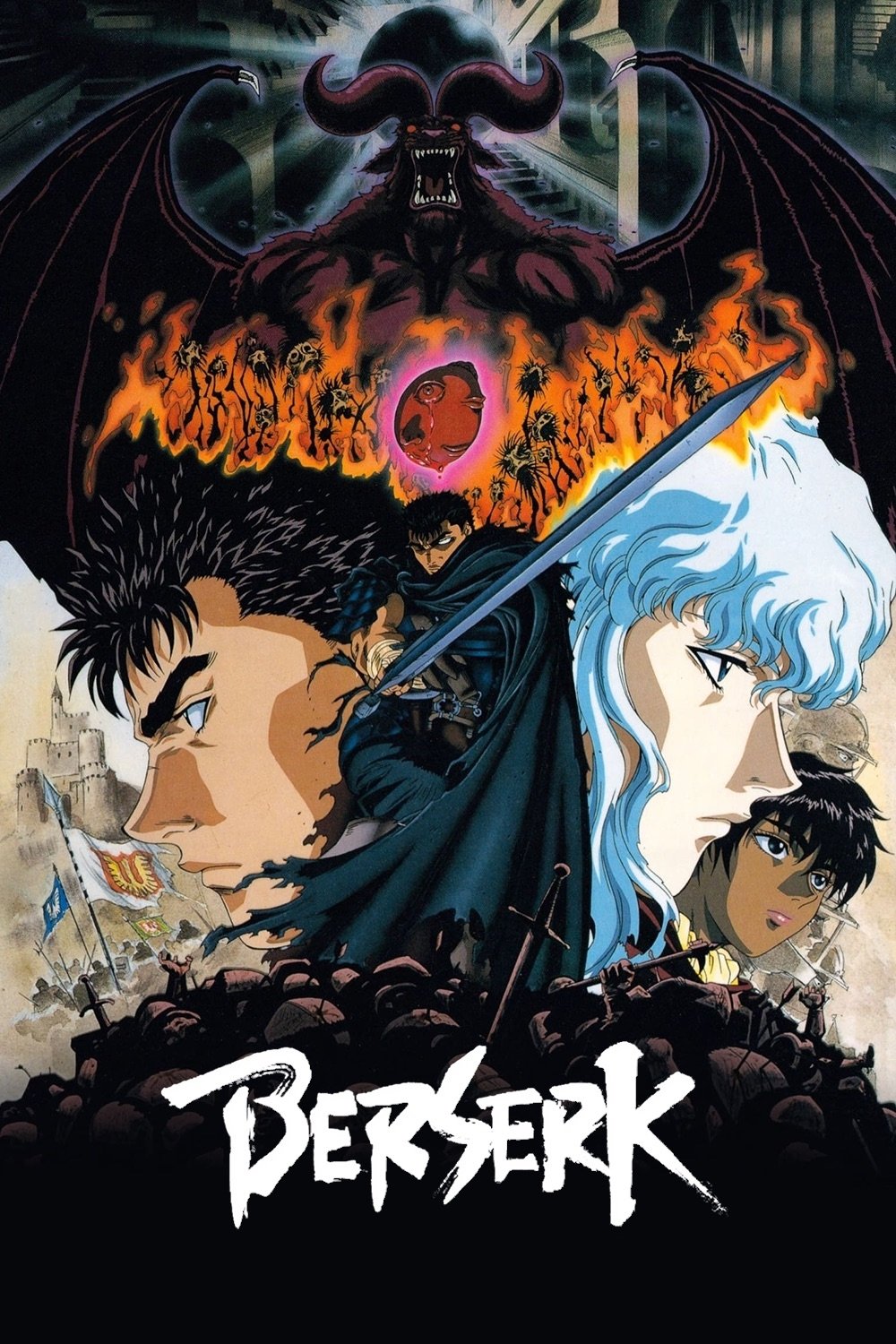
Griffith is incredibly charming and uses his good looks to get people to do what he wants, all in pursuit of his goal to rule a kingdom. He strategically uses relationships – including sexual ones with powerful men – to finance his mercenary group, yet maintains a strong emotional bond with Guts. When it benefits his plans, he’ll also pursue relationships with women, like Princess Charlotte. It’s never entirely clear what Griffith truly wants, which makes his descent into villainy even more complex.
‘Revolutionary Girl Utena’ (1997)
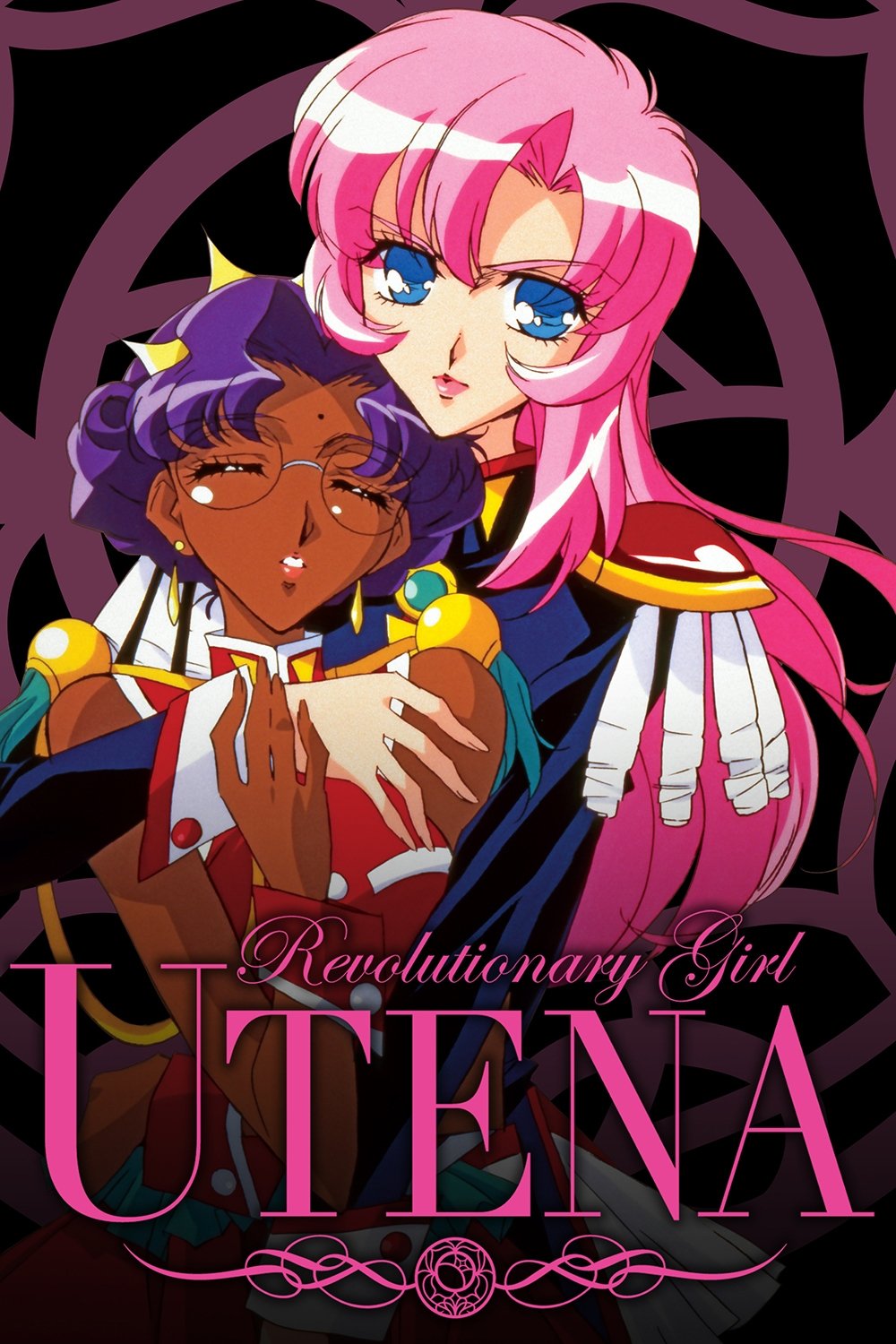
Utena Tenjou dreams of being a prince and unexpectedly becomes engaged to Anthy Himemiya, known as the Rose Bride. As Utena and Anthy grow closer, their relationship blossoms into a romance that challenges the traditional, male-dominated society around them. Throughout the series, Utena also deals with confusing feelings for the scheming Akio Ohtori. The show uses these relationships to reimagine classic fairy tales and highlight how powerful and freeing queer love can be.
‘Cardcaptor Sakura’ (1998–2000)
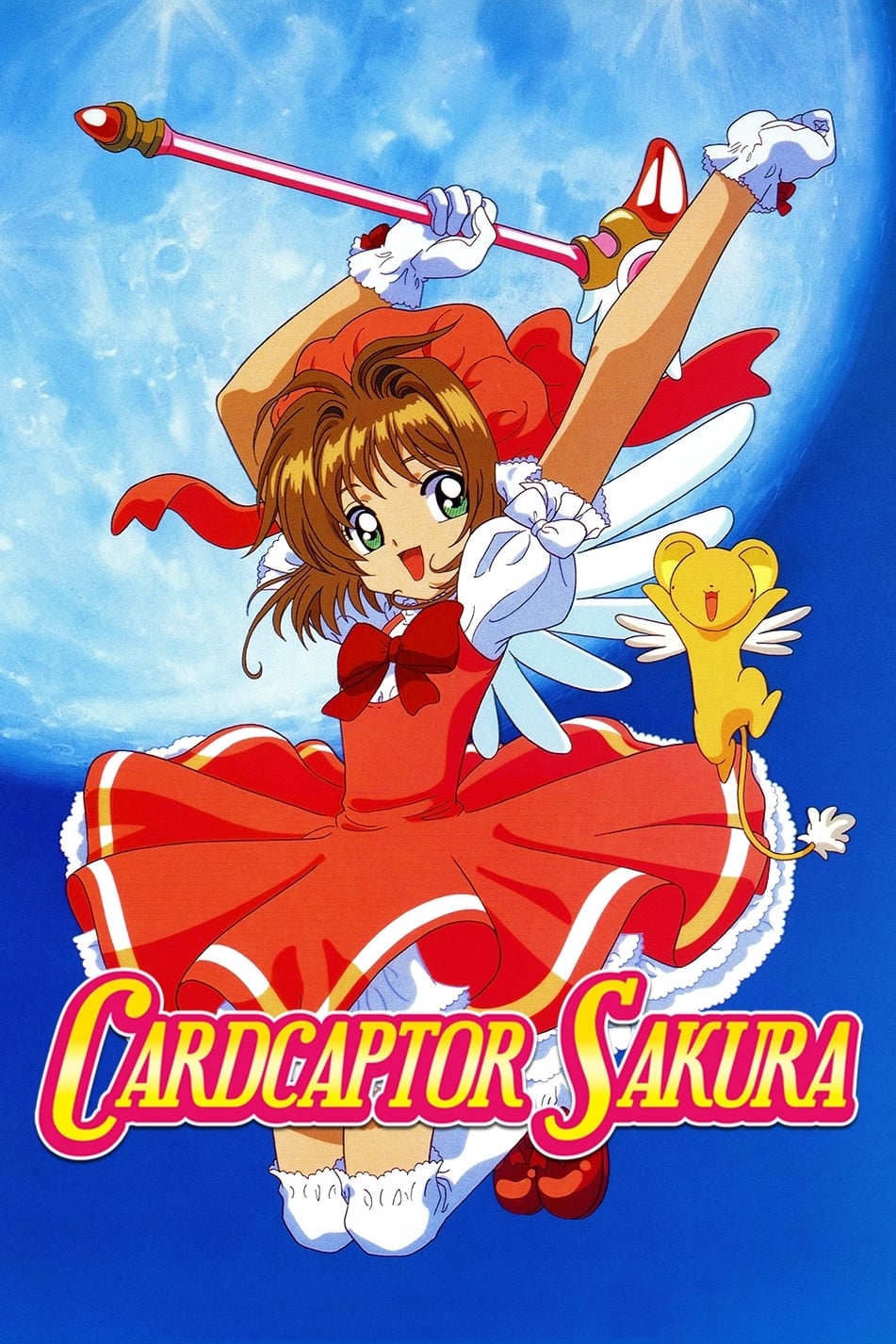
Touya Kinomoto is the main character’s older brother and plays a key role in the show’s love stories. Before the series starts, he dated his former teacher, Kaho Mizuki. However, his strongest connection is with his best friend, Yukito Tsukishiro, whom he cares for more than anyone. The show portrays his feelings for Yukito as simply a part of life, without needing a dramatic reveal or explanation.
‘Hunter x Hunter’ (1999–2001)
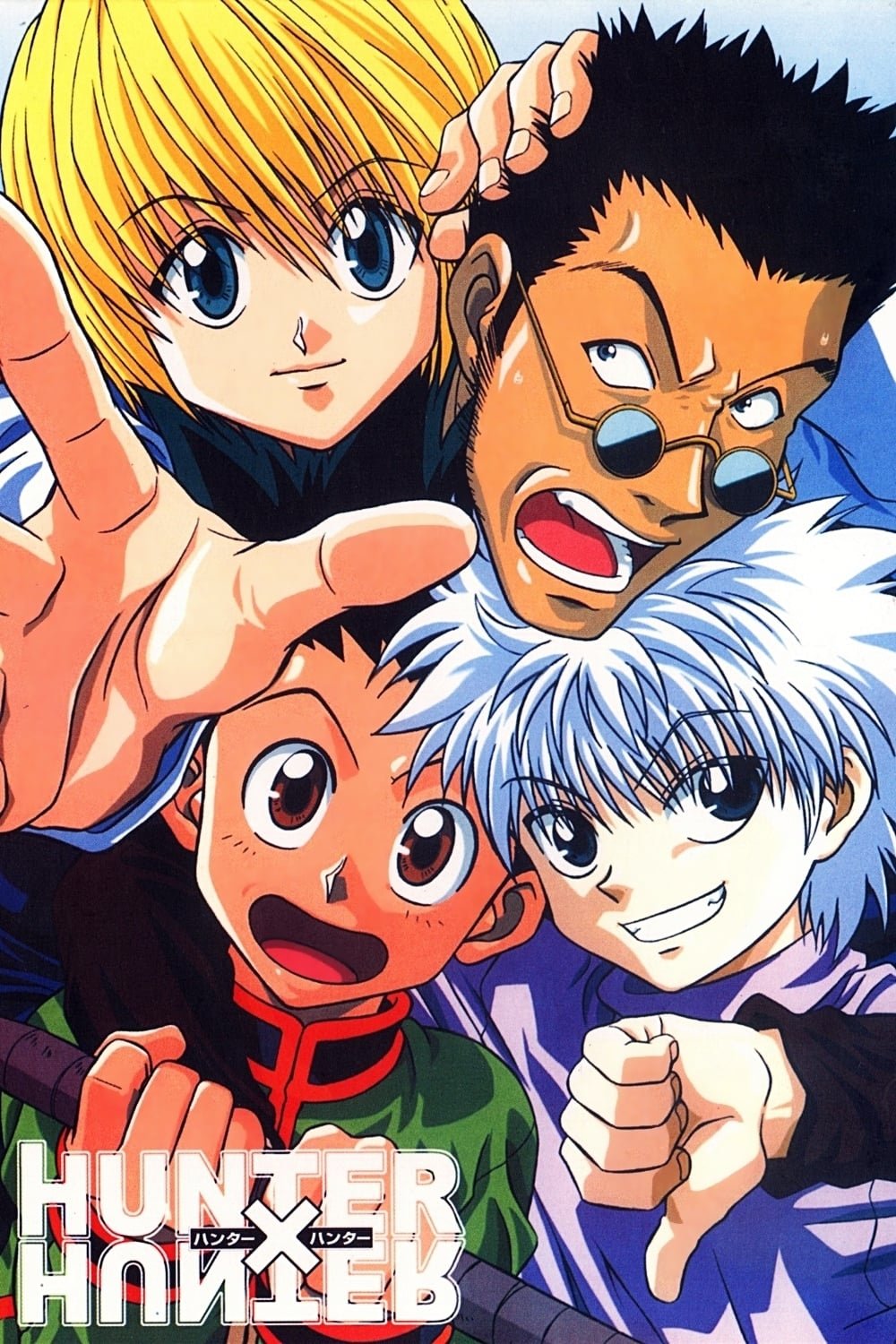
Hisoka Morow is motivated solely by his desire for strength and his fascination with promising fighters. He’s strongly drawn to anyone with great potential, regardless of who they are. His obsession with Chrollo Lucilfer, and his close attention to Gon and Killua, demonstrate his unique perspective. His attractions are portrayed as being based on power and potential, rather than traditional romance.
‘Ghost in the Shell: Stand Alone Complex’ (2002–2003)
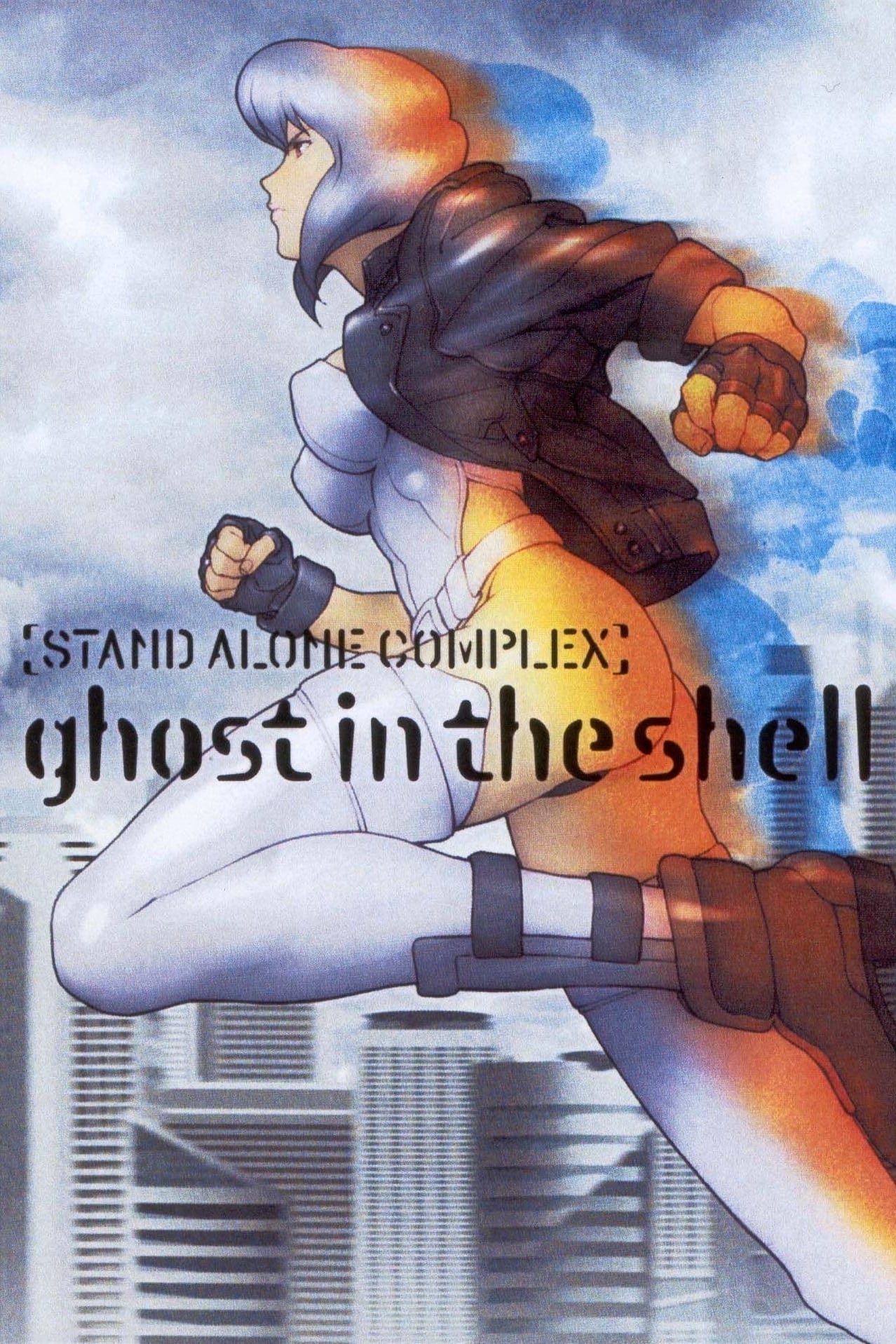
Major Motoko Kusanagi lives in a completely artificial body, which separates her from typical human instincts. The series hints she’s attracted to women through her relationships with female partners when she’s off-duty, but she also has complicated connections with male colleagues like Kuze, suggesting she’s open to attraction beyond gender. Because she’s a cyborg, she isn’t limited by traditional ideas about sex and can connect with others based on their minds and compatibility.
‘Paradise Kiss’ (2005)
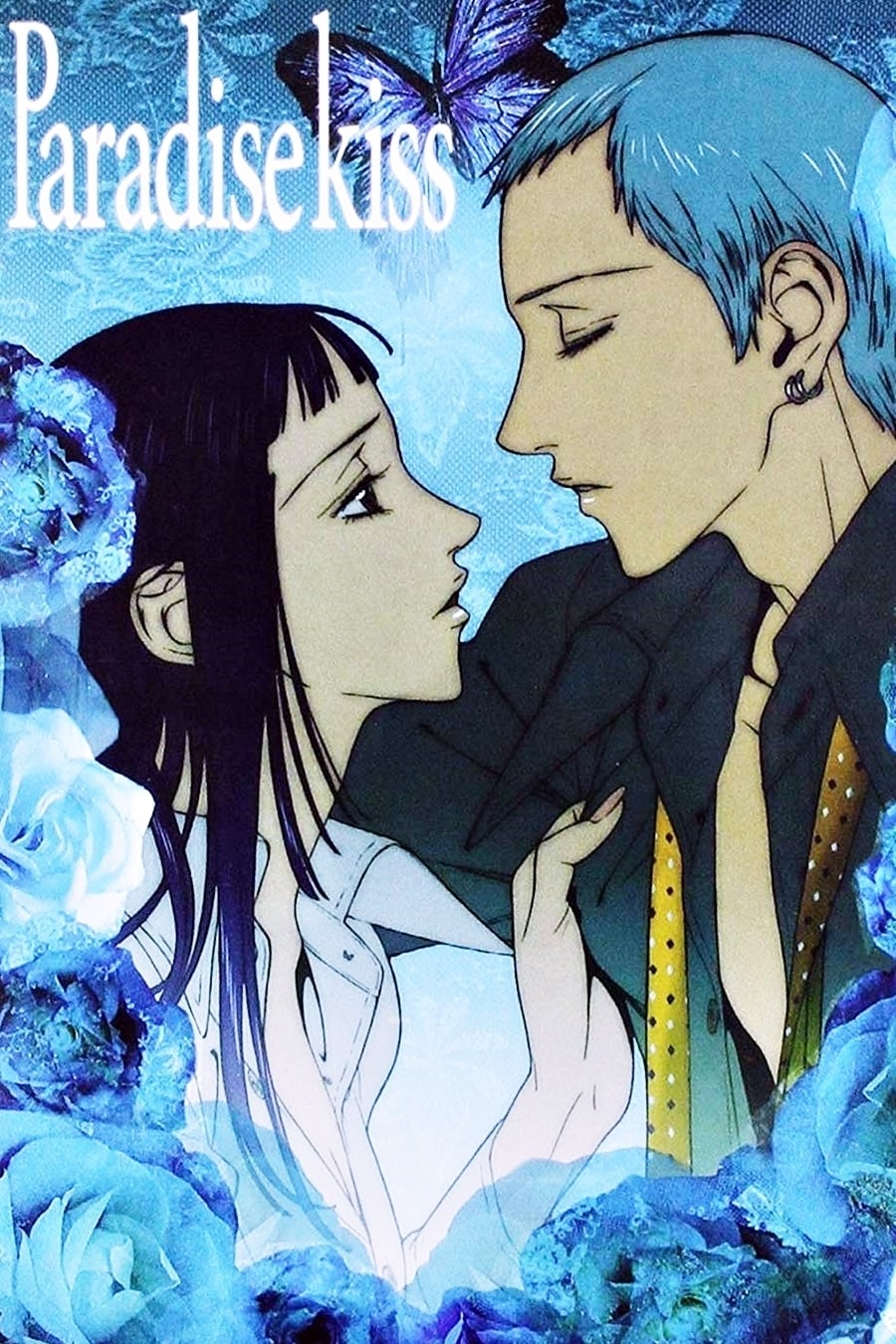
George Koizumi is a unique fashion designer who becomes both a creative inspiration and romantic partner for the main character, Yukari. He’s comfortable discussing his attraction to people of all genders and openly mentions past relationships with men. His clothing designs push boundaries and reject traditional gender roles, mirroring his own open-minded approach to attraction. His bisexuality isn’t seen as something separate from his art, but simply as part of his unconventional and artistic way of life.
‘Ouran High School Host Club’ (2006)
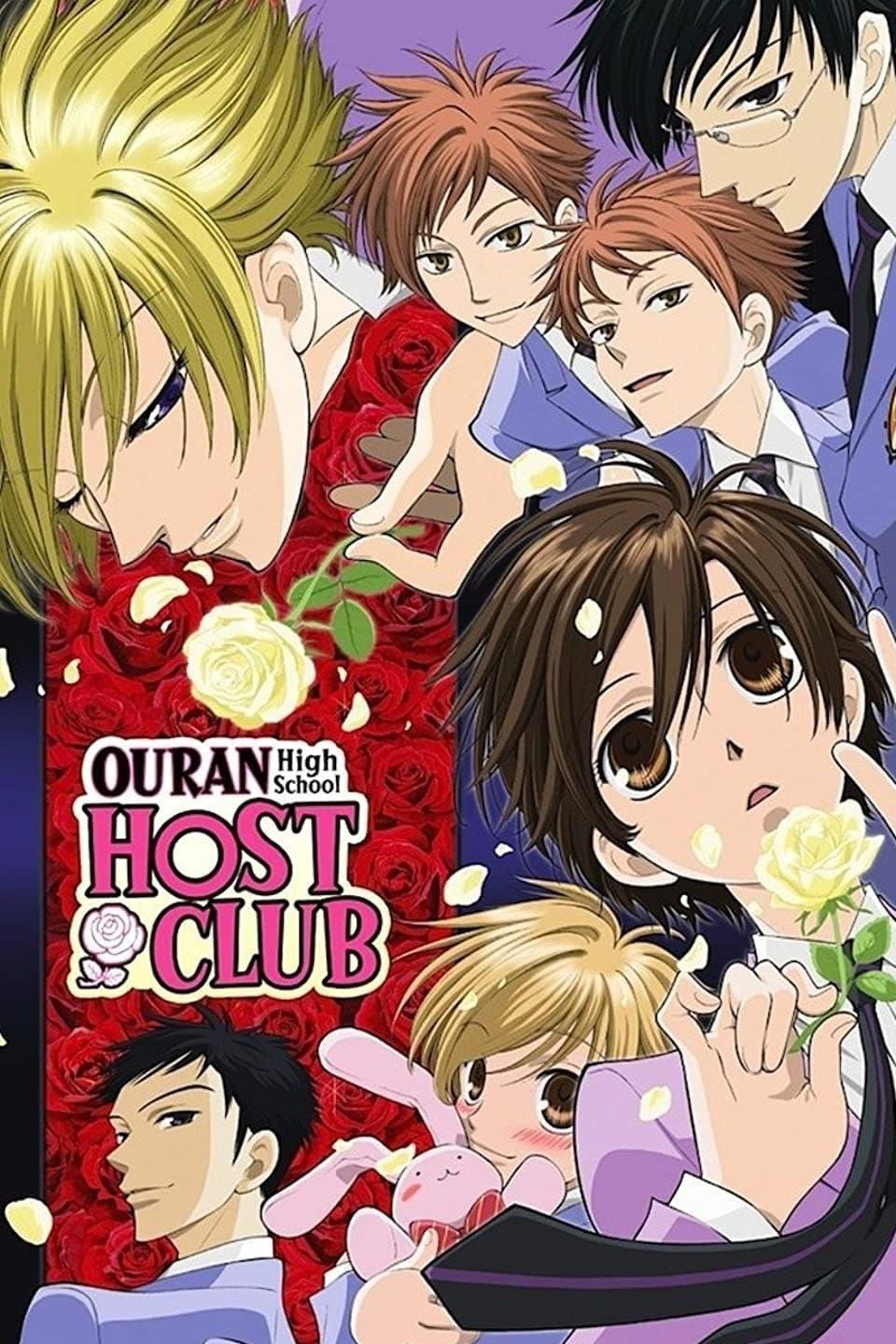
Haruhi Fujioka accidentally ends up at a host club and works off a debt by pretending to be a male host and entertaining female customers. She’s openly unconcerned with a person’s gender, whether it’s her own or someone else’s. Haruhi quickly becomes popular with the club’s clientele, and a romantic connection begins to grow between her and the club’s leader, Tamaki Suoh. She’s still considered a prime example of a character who completely disregards traditional gender roles.
‘From the New World’ (2012–2013)
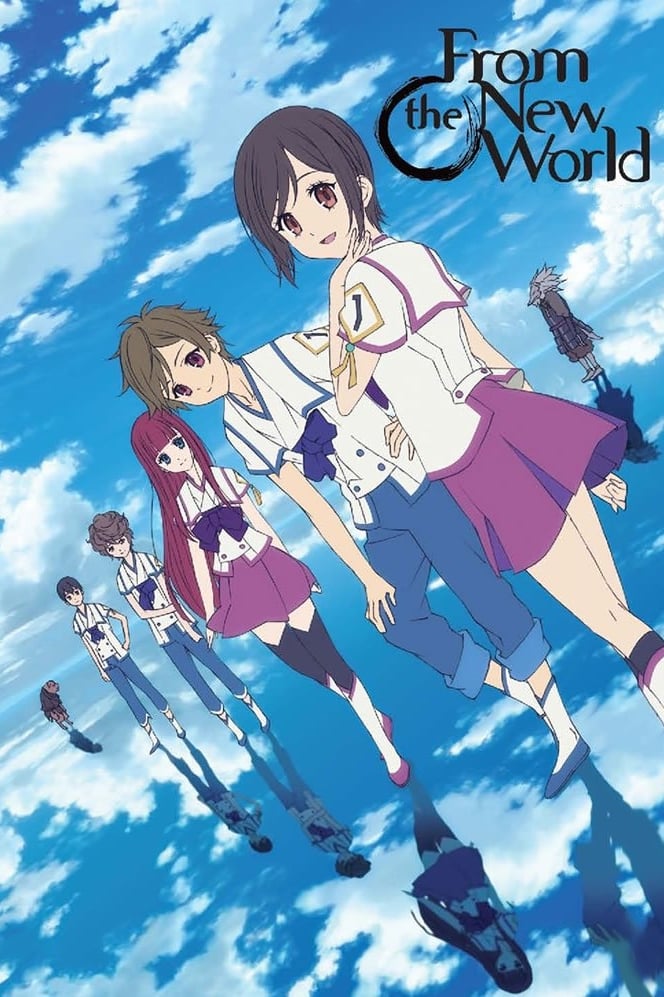
In a future world where young people are encouraged to explore intimacy, Saki Watanabe experiences attraction to both women and men. As a teenager, she has a romantic and sexual relationship with her friend Maria Akizuki. Later, she marries her childhood friend, Satoru Asahina. The story presents these changing feelings as a natural part of growing up within this society.
‘JoJo’s Bizarre Adventure’ (2012)
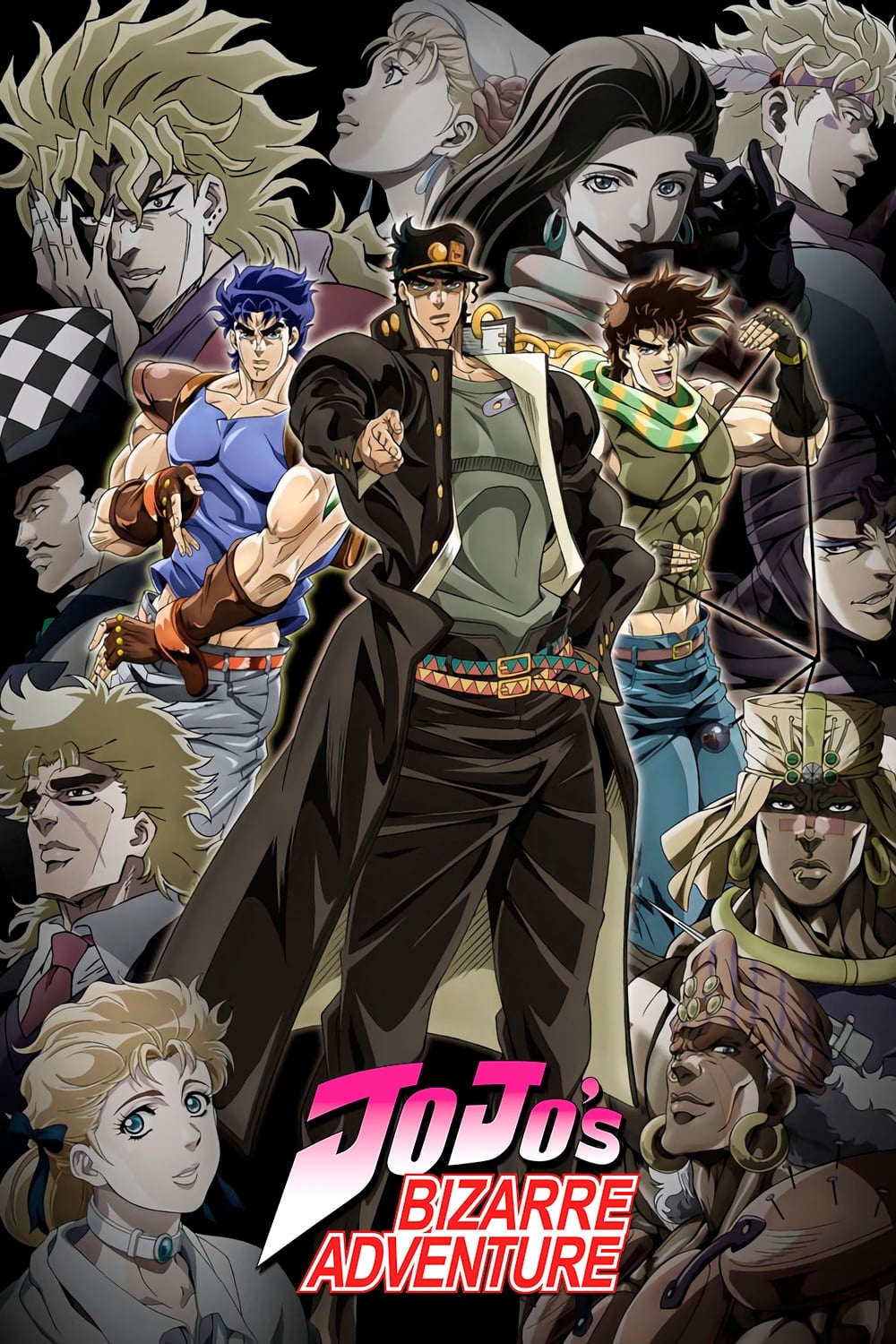
Dio Brando is the main villain of the JoJo’s Bizarre Adventure series, relentlessly trying to eliminate the Joestar family. He’s incredibly charismatic and uses this to manipulate people into following his orders. According to the series creator, Hirohiko Araki, Dio is capable of feeling affection for anyone – regardless of their gender – as long as they’re useful to him. His dramatic personality and intense obsession with Jonathan Joestar have led many fans to see him as a queer icon within the anime community.
‘Re: Cutie Honey’ (2004)
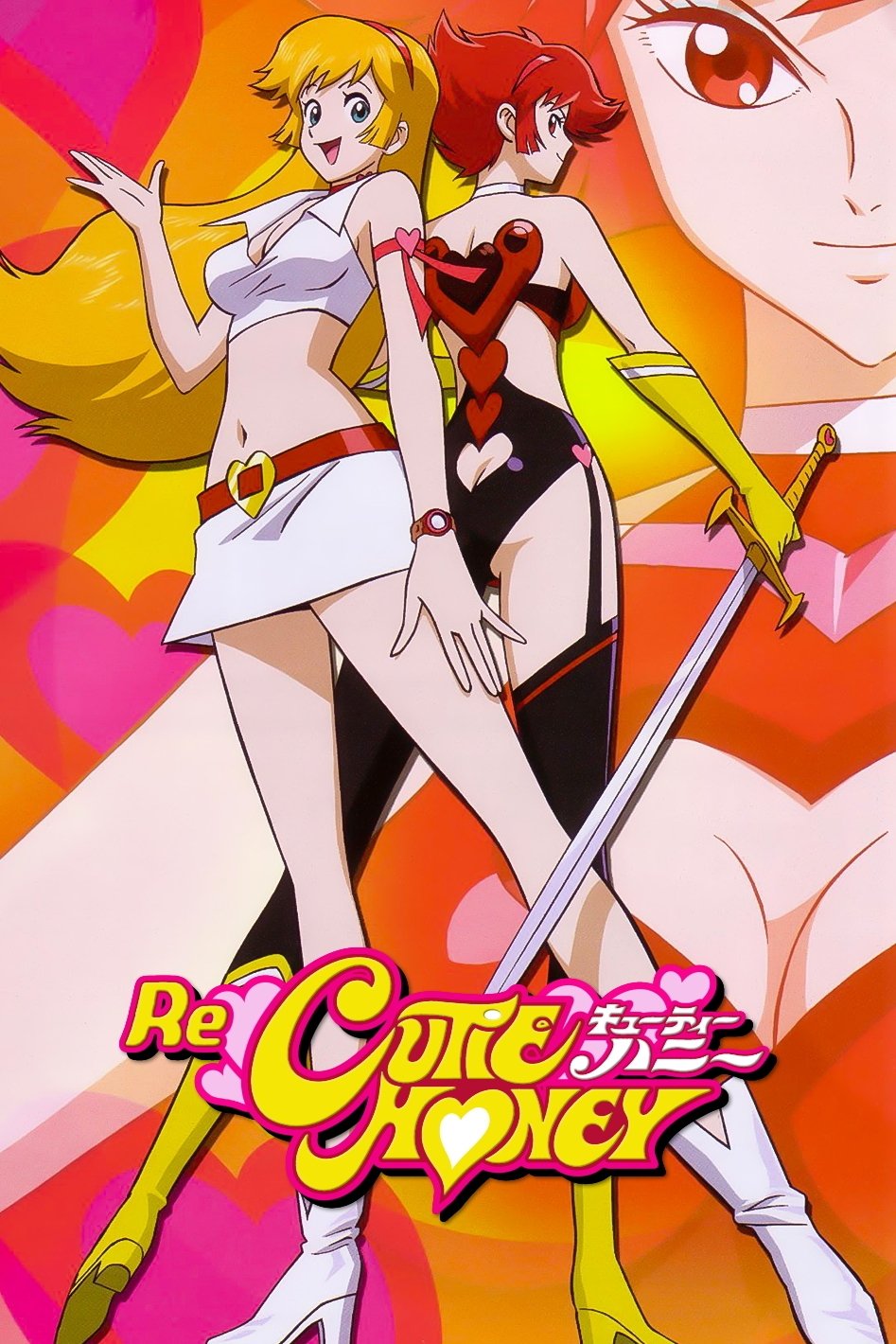
Honey Kisaragi is a powerful android who fights the evil Panther Claw by transforming into different forms. She lives with and has a close relationship with Natsuko Aki, and often shows romantic interest in detective Seiji Hayami, who helps her in her battles. Her ability to change forms reflects her immense capacity for love and appreciation towards those who support her fight for justice.
Tell us which of these trailblazing characters is your favorite in the comments.
Read More
- Silver Rate Forecast
- Gold Rate Forecast
- 22 Films Where the White Protagonist Is Canonically the Sidekick to a Black Lead
- Unveiling the Schwab U.S. Dividend Equity ETF: A Portent of Financial Growth
- 15 Films That Were Shot Entirely on Phones
- How to Do Sculptor Without a Future in KCD2 – Get 3 Sculptor’s Things
- 20 Movies Where the Black Villain Was Secretly the Most Popular Character
- Games That Faced Bans in Countries Over Political Themes
- Brent Oil Forecast
- New HELLRAISER Video Game Brings Back Clive Barker and Original Pinhead, Doug Bradley
2025-12-06 14:16